All termsFraudIntermediateUpdated April 10, 2026

What Is Chargeback Reversal?

A chargeback reversal occurs when a card network or issuing bank overturns a previously filed chargeback, restoring the disputed funds to the merchant. It is achieved through representment, compelling evidence submission, or arbitration.

Also known as: Chargeback Win, Dispute Reversal, Chargeback Overturn, Chargeback Recovery

Key Takeaways

  • A chargeback reversal returns disputed funds to the merchant after successfully contesting a cardholder's claim with the issuing bank or card network.
  • Merchants must respond within tight deadlines — typically 20 to 45 days — with compelling, reason-code-specific evidence.
  • Winning a reversal does not remove the original chargeback from your ratio; prevention is always more cost-effective than dispute.
  • Escalation to arbitration significantly increases costs and risk; reserve it for high-value disputes with strong evidence.
  • Automated dispute management systems can increase reversal win rates by ensuring timely, well-documented responses at scale.

A chargeback reversal is the outcome merchants fight for when a cardholder files a chargeback against a legitimate transaction. Rather than accepting the loss, the merchant submits evidence to the issuing bank or card network demonstrating the transaction was valid — and if successful, the disputed funds are returned. Understanding this process is essential for any ecommerce business operating at scale.

How Chargeback Reversal Works

The reversal process follows a structured path through the card network's dispute lifecycle. Each step has strict deadlines; missing a single window forfeits the merchant's right to contest.

01

Receive Chargeback Notification

Your acquirer or payment processor notifies you of the chargeback, including the reason code, disputed amount, and response deadline. Log this immediately — the clock starts ticking from the notification date, not the date you open the alert.

02

Analyze the Reason Code

Every chargeback carries a network-specific reason code (e.g., Visa's 10.4 for card-absent fraud, Mastercard's 4853 for cardholder dispute). Your rebuttal evidence must directly address the code. Generic evidence packages have low win rates.

03

Compile Your Evidence Package

Gather transaction receipts, delivery confirmations, customer communications, authentication logs, IP and device data, and your refund policy. For chargeback representment, this package is submitted to your acquirer, who forwards it to the issuing bank.

04

Submit Representment

Your acquirer submits the rebuttal to the issuing bank within the network's response window (typically 20–45 days). The issuing bank reviews the evidence and either accepts the representment — reversing the chargeback — or upholds the cardholder's claim.

05

Escalate to Arbitration if Needed

If the issuing bank upholds the chargeback after representment, you may escalate to arbitration with the card network. The network acts as final adjudicator. Arbitration involves fees ($250–$500 per case) and the losing party bears all costs.

06

Receive Reversal Decision

If the card network or issuing bank rules in your favor, the disputed funds are credited back to your merchant account. The chargeback is marked as reversed in your acquirer's records, though it typically still counts in your historical chargeback ratio.

Why Chargeback Reversal Matters

For merchants operating in high-volume ecommerce environments, chargebacks represent a significant and growing financial threat. Reversing even a fraction of them has a material impact on profitability.

According to Chargebacks911's 2023 industry report, merchants lose an estimated $3.75 for every $1 of fraud loss when factoring in chargeback fees, operational costs, and lost merchandise. Meanwhile, the global cost of chargebacks to merchants reached approximately $117 billion in 2023, up from $100 billion the prior year. Critically, industry research consistently shows that up to 86% of chargebacks are cases of friendly fraud — meaning the merchant likely has grounds to contest. Yet many merchants never attempt reversal, leaving recoverable revenue on the table.

Beyond direct revenue recovery, maintaining a strong reversal program signals to acquirers that your business takes dispute management seriously. Merchants who demonstrate high win rates and low escalation costs are better positioned during acquirer risk reviews and can often negotiate lower reserve requirements.

Chargeback Ratio Warning

Even if you win a reversal, the original chargeback typically still counts toward your ratio. Visa's threshold is 0.9% (Enhanced Monitoring Program trigger); Mastercard's is 1.0%. Reversal wins help your bottom line but do not reset ratio calculations retroactively.

Chargeback Reversal vs. Chargeback Representment

These two terms are closely related but refer to different things. Representment is the process; reversal is the outcome. Understanding the distinction helps merchants set realistic expectations and allocate dispute resources correctly.

AttributeChargeback ReversalChargeback Representment
DefinitionThe outcome: funds returned to merchantThe process: evidence submitted to contest
Who initiatesCard network / issuing bank (decision)Merchant (via acquirer)
Stage in lifecycleResult of representment or arbitrationSecond chargeback cycle
Always happens together?No — representment can failNo — reversal requires successful representment
Fees involvedNone if won at representment stageDispute/rebuttal fees may apply
TimelineFinal decision after review periodSubmission within 20–45 days of chargeback
Impact on chargeback ratioDoes not remove original chargebackDoes not remove original chargeback

Types of Chargeback Reversal

Not all reversals follow the same path. The route to recovery depends on where in the dispute lifecycle the case is resolved.

Representment Reversal — The most common and least costly type. The merchant submits compelling evidence during the representment window and the issuing bank accepts it, overturning the chargeback without network involvement. No arbitration fees apply.

Pre-Arbitration Reversal — After a failed representment, some networks allow a pre-arbitration phase where both parties can reach agreement before formal arbitration. A reversal at this stage avoids the highest fees but still requires strong evidence and negotiation.

Arbitration Reversal — The card network adjudicates and rules in the merchant's favor. This is the most expensive path but necessary for high-value disputes or systematic fraud patterns. Visa and Mastercard both charge filing fees to the losing party.

Goodwill Reversal — Occasionally, an issuing bank will voluntarily reverse a chargeback after reviewing additional merchant-provided information, even outside formal channels. Rare, but possible when the bank recognizes a clear error in the original filing.

Best Practices

Effective chargeback reversal requires both operational discipline and technical infrastructure. The strategies differ slightly depending on your role.

For Merchants

Respond to every eligible chargeback — even low-value ones. Consistent non-response signals to issuers that chargebacks succeed against your business, inviting repeat abuse. Organize evidence templates by reason code so your team can respond quickly and accurately. Track your win rate by reason code and dispute category to identify patterns in where your evidence is weak. Engage your acquirer or a third-party dispute management provider for high-volume environments — manual processes do not scale past 50–100 disputes per month.

For Developers

Instrument your checkout and fulfillment systems to capture dispute-ready data automatically: delivery timestamps, IP address at purchase, device fingerprints, 3DS authentication results, and customer consent logs. Build webhook listeners for chargeback notifications from your payment processor so no dispute window is missed. Store transaction evidence in an immutable, retrievable format for at least 18 months — card networks can request records for old disputes during audits and arbitration. Integrate with your processor's dispute API to submit representment programmatically and track case status in real time.

Common Mistakes

Even experienced merchants make errors that cost them winnable disputes. Awareness of these patterns is the first step to avoiding them.

Submitting generic evidence packages. Sending the same template regardless of reason code is one of the most common and costly mistakes. A "not as described" dispute requires completely different evidence than a "fraud" dispute. Mismatched evidence is rejected immediately.

Missing response deadlines. Deadline management is non-negotiable. Many merchants lose reversible disputes simply because an alert sat in an inbox for too long. Automated alerting and ticketing integration with your dispute workflow is essential at any meaningful volume.

Escalating low-value disputes to arbitration. If the disputed amount is $50 and arbitration fees are $500, the math does not work even if you win. Reserve arbitration for disputes where recovery exceeds total costs including fees, staff time, and risk of losing.

Failing to document friendly fraud patterns. If a cardholder repeatedly files chargebacks against your business, that behavioral history is powerful evidence. Merchants who do not track dispute history per customer miss the opportunity to present a pattern of abuse to issuers.

Not updating evidence practices after losses. Every lost dispute is a data point. If a particular reason code consistently results in losses, your evidence package for that code needs revision — not repetition.

Chargeback Reversal and Tagada

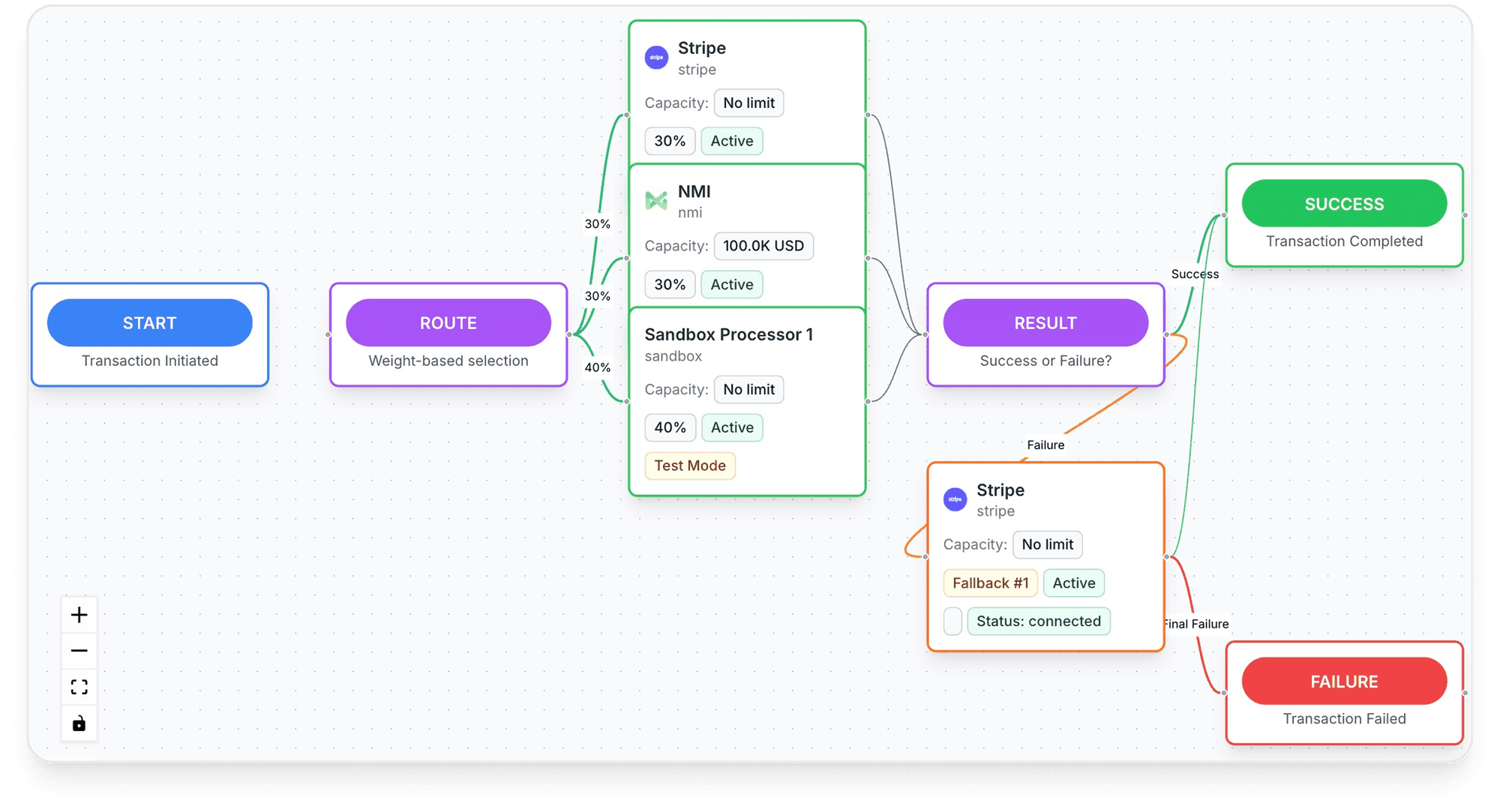
Tagada's payment orchestration layer sits between your business logic and your acquirers, giving you a centralized view of dispute activity across all payment methods and processors. Because Tagada routes transactions across multiple acquirers, it aggregates chargeback notifications into a single stream — eliminating the operational risk of missing a response window because a dispute arrived through an unfamiliar processor portal.

Dispute Visibility with Tagada

Tagada surfaces chargeback events via webhook in a normalized format regardless of which underlying acquirer processed the transaction. This means your dispute management workflow — whether in-house or via a third-party tool — only needs to integrate once, not once per acquirer. Consistent, timely notification is the single biggest factor in reversal win rates.

For development teams building on Tagada, the dispute event payload includes the reason code, network, deadline timestamp, and original transaction metadata — everything needed to pre-populate an evidence package automatically. This reduces manual triage time and increases the percentage of disputes that receive a substantive response within the optimal window.

Frequently Asked Questions

What is a chargeback reversal?

A chargeback reversal is the process by which a merchant successfully disputes a chargeback filed by a cardholder, resulting in the card network or issuing bank overturning the original chargeback decision. When successful, the funds that were forcibly debited from the merchant's account are returned. The merchant must submit compelling evidence — such as proof of delivery, signed receipts, or communication logs — within the card network's designated response window, typically 20 to 45 days.

What is the difference between a chargeback reversal and a refund?

A refund is a voluntary transaction initiated by the merchant to return funds to a customer, whereas a chargeback reversal is a contested outcome within the card network's formal dispute process. Refunds are settled directly between merchant and cardholder and do not affect the merchant's chargeback ratio. A chargeback reversal, on the other hand, results from the merchant winning a formal dispute and does factor into chargeback metrics reported by acquirers and card networks.

How long does a chargeback reversal take?

The timeline for a chargeback reversal varies by card network and case complexity. After a merchant submits a representment, the issuing bank typically has 30 to 45 days to review and respond. If the case proceeds to arbitration, resolution can take an additional 30 to 60 days. From initial chargeback notification to final reversal decision, the full cycle commonly runs 60 to 120 days, though some networks have expedited tracks for low-value disputes.

What evidence is needed to win a chargeback reversal?

Strong evidence for a chargeback reversal typically includes order confirmation and transaction receipts, proof of delivery or signed delivery confirmation, customer communication logs (emails, chats), IP address and device fingerprint data, terms and conditions accepted at checkout, and any prior refund attempts. For digital goods, access logs, download records, and authentication data can be decisive. The evidence package must directly rebut the specific reason code the cardholder used to file the chargeback.

What happens if a chargeback reversal fails?

If a chargeback reversal attempt fails at the representment stage, the merchant may escalate to pre-arbitration or formal arbitration with the card network. However, arbitration carries significant financial risk: filing fees range from $250 to $500 per case (Visa and Mastercard), and the losing party pays all fees. If the merchant loses at arbitration, the chargeback stands, the funds remain with the cardholder, and the merchant absorbs both the original disputed amount and all arbitration costs.

Does winning a chargeback reversal affect my chargeback ratio?

Yes and no. The initial chargeback counts against your ratio the moment it is filed, regardless of outcome. Winning a reversal does not retroactively remove that chargeback from the ratio calculation used by Visa and Mastercard monitoring programs. However, some acquirers adjust their internal risk scoring when a merchant demonstrates a high win rate. Maintaining a low chargeback ratio through prevention remains more effective than relying on reversals to manage ratio thresholds.

Tagada Platform

Chargeback Reversal — built into Tagada

See how Tagada handles chargeback reversal as part of its unified commerce infrastructure. One platform for payments, checkout, and growth.