
Info Product Merchant Account Compliance: The Rules to Follow
The rules an info product or coaching business must follow to keep its merchant account: earnings claims, Visa checkout rules, refunds, memberships.

Article summary
TL;DR
Online courses and coaching are not banned by Stripe or the card networks. What gets an account closed is the promise: income claims, fake or untypical testimonials, high-pressure upsells and hidden recurring charges. To stay compliant, follow three rulebooks at once: your processor's list, Visa and Mastercard checkout and dispute rules, and the FTC's rules on earnings claims and endorsements.
- Stripe doesn't name courses or coaching, but prohibits "get rich quick" schemes and "deceptive testimonials" (Stripe, read November 2, 2026).
- In October 2021 the FTC warned more than 1,100 companies that false money-making claims could lead to civil penalties; the maximum is $53,088 per violation since January 17, 2025.
- Visa requires your refund and cancellation policy before checkout with a "click to accept", and forbids asking buyers to waive their dispute rights (Visa rules, October 24, 2026).
- Visa and Mastercard both flag US merchants at 1.5% in 2026.
- A course membership with no end date is a negative option under ROSCA: terms before billing, express consent, easy cancellation.
 ChatGPT
 Claude
 Perplexity
 Grok
On this page
This guide is part of our hub on info product payment processing. The general guide, for any business: how to get and keep a high-risk merchant account. General information, not legal advice.
The rules, by who sets them
Four groups write the rules that decide whether you keep your account. Your processor applies all of them, plus its own.
| Who | What they set | Where it bites |
|---|---|---|
| Your processor (Stripe, PayPal, an acquirer) | Its prohibited list, contract limits | Reserves, payout holds, closure |
| Visa and Mastercard | Category codes, website and checkout rules, dispute thresholds, installment and subscription rules | Monitoring programs, fines, lost disputes |
| FTC | Earnings claims, business opportunities, endorsements, subscriptions (ROSCA) | Enforcement actions, refunds, bans |
| Ad platforms (Meta, Google, TikTok) | "Get rich quick" and income claims in ads | Rejected ads, suspended ad accounts |
Fig. 1Four rulebooks behind one merchant account
- Your processorReserves, payout holds, closure
- Visa and MastercardMonitoring programs, fines, lost disputes
- FTCEnforcement actions, refunds, bans
- Ad platformsRejected ads, suspended ad accounts
Your processor applies all of them, plus its own.
Your promise is what gets checked
Selling education is allowed. Selling an income is where the trouble starts. Stripe's lists read on November 2, 2026 don't mention "coach", "mentor" or online courses1Stripe, Prohibited and restricted businesses, read November 2, 2026. What they prohibit, under "unfair, deceptive or abusive acts or practices", is the sales promise1Stripe, Prohibited and restricted businesses, read November 2, 2026:
- "'Get rich quick' schemes, including investment opportunities or other services that promise high rewards to mislead consumers"
- "Businesses that make outrageous claims, use deceptive testimonials, use high-pressure upselling or use fake testimonials"
- "Businesses offering unrealistic incentives or rewards as an inducement to purchase products or services"
- "Negative option marketing, negative option membership clubs and reduced price trials with unclear or hidden pricing"
The FTC targets the same thing.
Its 2021 notice to more than 1,100 companies, which went to multi-level marketing, business opportunity, franchise, gig and investment and business coaching companies, lists as unlawful: claims "that participants will make a profit", that "represented profits are typical", "falsely telling consumers they do not need experience to earn income", and telling them "they must act immediately to participate"2FTC, press release "FTC Puts Businesses on Notice that False Money-Making Claims Could Lead to Big Penalties", October 26, 2021.
| Date | FTC action | What it was about |
|---|---|---|
| September 25, 2024 | Operation AI Comply5FTC, Operation AI Comply press release, September 25, 2024 | Three "business opportunities" selling online stores and ecommerce training |
| April 2026 (final order July 2, 2026) | Publishing.com4Federal Register, 91 FR 20456, Publishing.com, analysis of proposed consent order, April 16, 202615FTC, FTC approves final order against Publishing.com settling allegations it misled consumers, July 2, 2026 | "False or unsubstantiated earnings claims" about self-publishing programs, a refund policy shown as "a simple money-back guarantee for 12 months", testimonials presented as independent; $1.5 million |
The Business Opportunity Rule applies when you sell a program and promise to provide "outlets, accounts, or customers", including online ones316 CFR Part 437, Business Opportunity Rule, eCFR, read November 2, 2026. A course that only teaches is outside this definition today (our reading of the text). Done-for-you stores or "we'll bring you clients" offers fall inside it, with a disclosure document due "at least seven calendar days before" payment316 CFR Part 437, Business Opportunity Rule, eCFR, read November 2, 2026. The FTC has listed a broader earnings claims rule on its 2026 regulatory agenda, but nothing new is in force as of November 2, 2026.
Watch out
An "earnings disclaimer" in your footer doesn't fix an income claim. Under FTC endorsement rules, a testimonial showing results that aren't typical requires you to disclose "the generally expected performance"; "results not typical" isn't enough1216 CFR Part 255, Guides Concerning the Use of Endorsements and Testimonials in Advertising, sections 255.1(d) and 255.2(b).
Card network rules for course sellers
Your category code. Most courses and coaching programs fall under MCC 8299, "Schools and Educational Services (Not Elsewhere Classified)"7Visa Merchant Data Standards Manual, April 2026. Your acquirer assigns it, based on what you sell.
| MCC | Covers | When it fits |
|---|---|---|
| 8299 | Educational courses and services not classified elsewhere | Most online courses and coaching |
| 8241 | Correspondence schools: lessons and exams sent by mail or online | Structured courses with assessments |
| 5815 | Digital books, music, films "delivered in electronic format" | Ebooks, audio, templates |
| 5968 | Direct marketing, continuity and subscription | Subscription-only sellers; Visa says merchants that "happen to offer recurring" billing keep their own code |
No educational or digital goods code appears in Visa's Integrity Risk Program tiers. Negative option subscriptions on 5968 do8Visa Integrity Risk Program, acquirer guide, April 6, 2023. A course becomes high-risk through its offer and its dispute rate, not by nature.
Watch out
The code describes your business. Picking one to dodge a rule is circumvention, and Visa can exclude a merchant that "acts with the intent to circumvent Visa programs"6Visa Core Rules and Visa Product and Service Rules, edition of October 24, 2026: sections 5.4.2.5 (p. 391 to 392) and 5.8.4.1 (p. 445), tables 5-19 and 5-20 (p. 467 to 469), table 11-7 (p. 685 to 686), table 11-118 (p. 779 to 780), rule 10.4.5.4 (p. 641).
Your website and checkout. Visa sets minimum content for any online merchant6Visa Core Rules and Visa Product and Service Rules, edition of October 24, 2026: sections 5.4.2.5 (p. 391 to 392) and 5.8.4.1 (p. 445), tables 5-19 and 5-20 (p. 467 to 469), table 11-7 (p. 685 to 686), table 11-118 (p. 779 to 780), rule 10.4.5.4 (p. 641):
- A customer service contact: email address or phone number (5.8.4.1).
- Your country, shown on the checkout screen or within the checkout pages. "A link to a separate web page does not meet this requirement" (5.8.4.1).
- An address for cardholder correspondence (5.8.4.1).
- If you restrict refunds or cancellations, your policy "during the sequence of pages before final checkout", with a "click to accept" button or checkbox (5.4.2.5).
No "no chargeback" clause. Some coaching contracts ask buyers to promise they won't dispute. Visa's rule is direct: "A Merchant must not require a Cardholder to waive the right to dispute a Transaction" (5.4.2.5)6Visa Core Rules and Visa Product and Service Rules, edition of October 24, 2026: sections 5.4.2.5 (p. 391 to 392) and 5.8.4.1 (p. 445), tables 5-19 and 5-20 (p. 467 to 469), table 11-7 (p. 685 to 686), table 11-118 (p. 779 to 780), rule 10.4.5.4 (p. 641).
The dispute that targets this vertical. Visa's 13.5 "Misrepresentation" covers "business opportunities in which the Merchant suggests that an income will be generated" (table 11-118)6Visa Core Rules and Visa Product and Service Rules, edition of October 24, 2026: sections 5.4.2.5 (p. 391 to 392) and 5.8.4.1 (p. 445), tables 5-19 and 5-20 (p. 467 to 469), table 11-7 (p. 685 to 686), table 11-118 (p. 779 to 780), rule 10.4.5.4 (p. 641). Income promises are a dispute reason on their own.
Thresholds. Visa flags US merchants at 1.5% of fraud reports plus disputes and 1,500 cases a month; Mastercard at 1.5% and 100 chargebacks9Stripe Docs, Dispute and fraud card monitoring programs, read November 2, 2026. Details in chargebacks for info product businesses.
Fig. 2What Visa wants on each screen of a course checkout
- Sales pageCustomer service email or phone (5.8.4.1)
- Order summaryMembership or payment plan terms, shown separately
- PaymentYour country, on the checkout screen (5.8.4.1)
- Before final checkoutRefund policy with click to accept (5.4.2.5)
- ConfirmationAccepted terms kept, with timestamp
A link to a separate page doesn't count for your country.
Memberships and payment plans
Two billing models dominate info products, and the rules differ.
When you become a lender. Under Regulation Z, a "creditor" regularly extends credit "payable by written agreement in more than four installments", or with a finance charge; "regularly" means more than 25 times in the previous year1112 CFR 1026.2(a)(17), Regulation Z, read November 2, 2026. A plan of 4 payments or fewer, without interest, stays outside that definition. Beyond it, ask a lawyer: state lending and collection laws can apply too.
Selling on subscription, step by step: how to sell info products and online courses on subscription.
Testimonials, affiliates and reviews
Endorsements are where course sellers most often cross the line without noticing.
Typical results
A non-representative result needs "the generally expected performance" next to it1216 CFR Part 255, Guides Concerning the Use of Endorsements and Testimonials in Advertising, sections 255.1(d) and 255.2(b).
Affiliates
"An advertiser may be liable for a deceptive endorsement even when the endorser is not liable" (255.1(d))1216 CFR Part 255, Guides Concerning the Use of Endorsements and Testimonials in Advertising, sections 255.1(d) and 255.2(b). Your affiliates' income screenshots are your problem.
Paid or rewarded reviewers
Disclose the connection. Publishing.com was charged with presenting reviews and testimonials as independent4Federal Register, 91 FR 20456, Publishing.com, analysis of proposed consent order, April 16, 2026.
Upsell pressure
Countdown timers and "only today" offers on a $2,000 program read as "high-pressure upselling" to Stripe1Stripe, Prohibited and restricted businesses, read November 2, 2026 and as "must act immediately" to the FTC2FTC, press release "FTC Puts Businesses on Notice that False Money-Making Claims Could Lead to Big Penalties", October 26, 2021.
Proof of delivery: your access logs
A course has no tracking number. Your evidence is the student's access.
For a digital goods fraud dispute, Visa accepts a description of what was sold, the date it was provided, and two or more of: IP address, device ID, name and email linked to the customer profile, proof the buyer accessed the account or the content on or after the purchase date (table 11-7)6Visa Core Rules and Visa Product and Service Rules, edition of October 24, 2026: sections 5.4.2.5 (p. 391 to 392) and 5.8.4.1 (p. 445), tables 5-19 and 5-20 (p. 467 to 469), table 11-7 (p. 685 to 686), table 11-118 (p. 779 to 780), rule 10.4.5.4 (p. 641).
Keep, for every buyer:
- Account creation date, IP and device
- Each login, with date and IP
- Lessons opened and downloads
- Coaching calls attended (calendar record, call log)
- The accepted terms and refund policy, with timestamp
Fig. 3One buyer's access file, ready for a dispute
- Account created
- Date, IP and device logged
- Logins
- Each one, with date and IP
- Lessons
- Opened and downloads recorded
- Coaching calls
- Calendar record, call log
- Terms and refund policy
- Accepted, with timestamp
Illustrative record, not real data.
Two or more of these, plus the date of access, meet Visa's digital goods rule.
Selling to EU buyers
EU consumers get 14 days to withdraw from distance contracts. Two exceptions matter for you13Directive 2011/83/EU on consumer rights, article 16 (a) and (m), original text:
- Digital content (a course with instant access): no withdrawal right once access has begun "with the consumer's prior express consent and his acknowledgment that he thereby loses his right of withdrawal" (article 16 m).
- Services (a 12-week coaching program): the right is lost only once the service "has been fully performed", with the same consent (article 16 a).
Fig. 4When an EU buyer loses the 14-day withdrawal right
- Digital content, instant accessOnce access has begun (article 16 m)Prior express consent and acknowledgment of the loss
- Services, a 12-week coaching programOnly once the service has been fully performed (article 16 a)The same consent; until then, the buyer can withdraw
The waiver checkbox at checkout is therefore a legal requirement, not a trick. Directive 2019/2161 amended article 16 from May 28, 2022: check the current consolidated text with your lawyer.
Monthly compliance check
- [ ] Sales pages, emails and ads: no income promise, no "anyone can do it", no false urgency
- [ ] Testimonials: typical results stated next to any result shown
- [ ] Affiliate pages reviewed; income screenshots removed
- [ ] Checkout: contact, country, refund policy with "click to accept"
- [ ] Membership and plan terms shown before payment; cancellation tested online
- [ ] Visa and Mastercard dispute ratios, by offer
- [ ] Access logs stored and exportable for each buyer
- [ ] New offers (done-for-you, high-ticket, new payment plan) declared to your processor before launch
How Tagada helps
Underwriting that reads your offer, not just your category
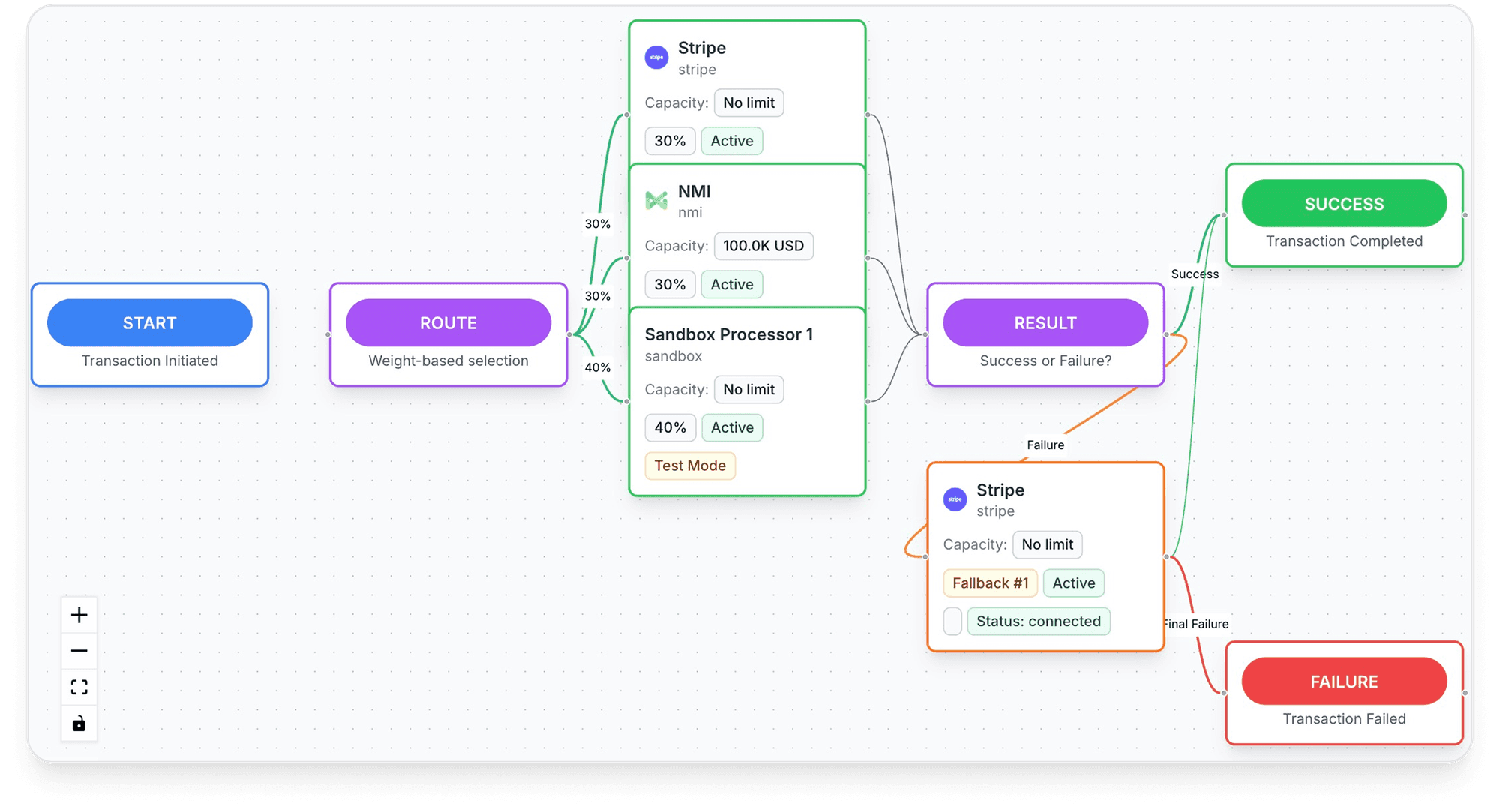
TagadaPay lists "Info products", "Coaching" and "Online courses" among the industries it serves: "You sell software, courses, info products, coaching, or any service delivered online"14TagadaPay, homepage and apply page, read November 2, 2026. Each file is still underwritten, with "enhanced review for regulated verticals"14TagadaPay, homepage and apply page, read November 2, 2026. "If you sell something real, we will get you paid." "Live in 24h. You own your vault."14TagadaPay, homepage and apply page, read November 2, 2026
- TagadaPay refuses chargeback evasion and deceptive marketing around trials, subscriptions and cancellation.
- "Native 3DS2, device intelligence, and rules engine: approve real customers, block the rest."14TagadaPay, homepage and apply page, read November 2, 2026
- Subscriptions and memberships with trials, billing cycles, retries and automatic recovery, and a customer portal where members pause, skip or cancel.
- "Your PCI-tokenized cards, your customer profiles, your subscription data, all portable."14TagadaPay, homepage and apply page, read November 2, 2026
- "24/7 human support on Slack Connect"14TagadaPay, homepage and apply page, read November 2, 2026.
Tagada follows Visa and Mastercard rules and the laws that apply to payments.
Frequently asked questions
Is selling online courses considered high-risk?
Do I need an earnings disclaimer on my course sales page?
Can I make coaching clients agree not to file a chargeback?
Can I have a no-refund policy on a digital course?
What MCC does an online course use?
Sources
Checked November 2, 2026- Stripe, Prohibited and restricted businesses, read November 2, 2026
- FTC, press release "FTC Puts Businesses on Notice that False Money-Making Claims Could Lead to Big Penalties", October 26, 2021
- 16 CFR Part 437, Business Opportunity Rule, eCFR, read November 2, 2026
- Federal Register, 91 FR 20456, Publishing.com, analysis of proposed consent order, April 16, 2026
- FTC, Operation AI Comply press release, September 25, 2024
- Visa Core Rules and Visa Product and Service Rules, edition of October 24, 2026: sections 5.4.2.5 (p. 391 to 392) and 5.8.4.1 (p. 445), tables 5-19 and 5-20 (p. 467 to 469), table 11-7 (p. 685 to 686), table 11-118 (p. 779 to 780), rule 10.4.5.4 (p. 641)
- Visa Merchant Data Standards Manual, April 2026
- Visa Integrity Risk Program, acquirer guide, April 6, 2023
- Stripe Docs, Dispute and fraud card monitoring programs, read November 2, 2026
- Restore Online Shoppers' Confidence Act, 15 U.S.C. § 8403
- 12 CFR 1026.2(a)(17), Regulation Z, read November 2, 2026
- 16 CFR Part 255, Guides Concerning the Use of Endorsements and Testimonials in Advertising, sections 255.1(d) and 255.2(b)
- Directive 2011/83/EU on consumer rights, article 16 (a) and (m), original text
- TagadaPay, homepage and apply page, read November 2, 2026
- FTC, FTC approves final order against Publishing.com settling allegations it misled consumers, July 2, 2026
- Federal Register, FTC, Adjustments to civil penalty amounts, January 17, 2025
TagadaPay
Sell the skill, keep the merchant account
Tell us what you sell and how you sell it. Each application is underwritten, and approval is not guaranteed.
- 01Tell us what you sell and how
- 02Underwriting reviews your business
- 03Process through TagadaPay alongside your other processors