
How Long Does a Chargeback Take?
A chargeback usually takes 2 to 3 months from filing to decision. Each stage, the deadlines at Stripe and Shopify, and the customer's side of the clock.

Article summary
TL;DR
Usually 2 to 3 months from the day the chargeback is filed to the bank's final decision. Customers can usually dispute up to 120 days after the payment. You then have about 7 to 21 days to respond, and the bank takes about 60 to 75 days to decide.
- Up to 120 days for the customer to dispute, counted from the payment or, for future events, from the event date.
- 7 to 21 days for you to respond, depending on the card network. Your processor shows the exact deadline.
- 60 to 75 days for the bank to decide once you've responded.
- The disputed amount stays held the whole time, and the only way to end it faster is to accept the chargeback.
- In the US, the law gives card issuers up to 90 days to resolve a billing-error complaint.
 ChatGPT
 Claude
 Perplexity
 Grok
On this page
Usually 2 to 3 months, from the day the chargeback is filed to the bank's final decision. Before that, the customer had up to 120 days to file it. Here is what happens at each stage, the deadline that matters for you, and what the timeline looks like from the customer's side.
The chargeback timeline, stage by stage
Fig. 1From payment to final decision
- PaymentDay 0
- Dispute filedUsually up to day 120
- Your response7 to 21 days after filing
- Bank reviews60 to 75 days
- DecisionFinal for both sides
the bank's clock, not yours
| Stage | Who acts | Typical time |
|---|---|---|
| Customer disputes the payment | The customer, with their bank | Up to 120 days after the payment |
| Funds taken and you're notified | Your processor | The day it's filed |
| You respond with evidence | You | 7 to 21 days |
| The bank reviews | The customer's bank | 60 to 75 days |
| Final decision | The customer's bank | 2 to 3 months after filing, in total |
Verdict
The deadline you can't miss is your response: a week or two. Everything after that is waiting.
Before the chargeback: inquiries and fraud warnings
Not every dispute starts as a chargeback. Two earlier signals have their own clocks.1Stripe Docs, How disputes work
Bank inquiry
The bank asks you about a charge before filing a chargeback. Mostly American Express and Discover; Visa and Mastercard no longer use this stage. A full refund closes it with no dispute fee. At Stripe, an inquiry left open for 120 days without becoming a chargeback is closed.
Early fraud warning
The issuer flags a payment as likely fraud. It's not a dispute, and there's no deadline to answer. Stripe says about 40% of Visa and Mastercard warnings become fraud disputes if the payment isn't refunded.
Deadlines at Stripe and Shopify
Your processor's deadline is shorter than the card network's, because it needs time to forward your response to the bank. It's the one to follow.
Stripe
Usually 7 to 21 days to respond, depending on the network. If you don't respond in time, you lose the dispute automatically. The bank then takes up to about 3 months, and Stripe emails you the decision.
Shopify Payments
Respond before the deadline Shopify gives with the chargeback. After you respond, the bank's review can take up to 75 days.
Don't wait for the deadline
At Stripe you get one submission, and you can't add anything after it.3Stripe Docs, Respond to disputes Submit as soon as the evidence is complete, not on the last day. Build the file with our chargeback rebuttal letter template.
Inside Tagada
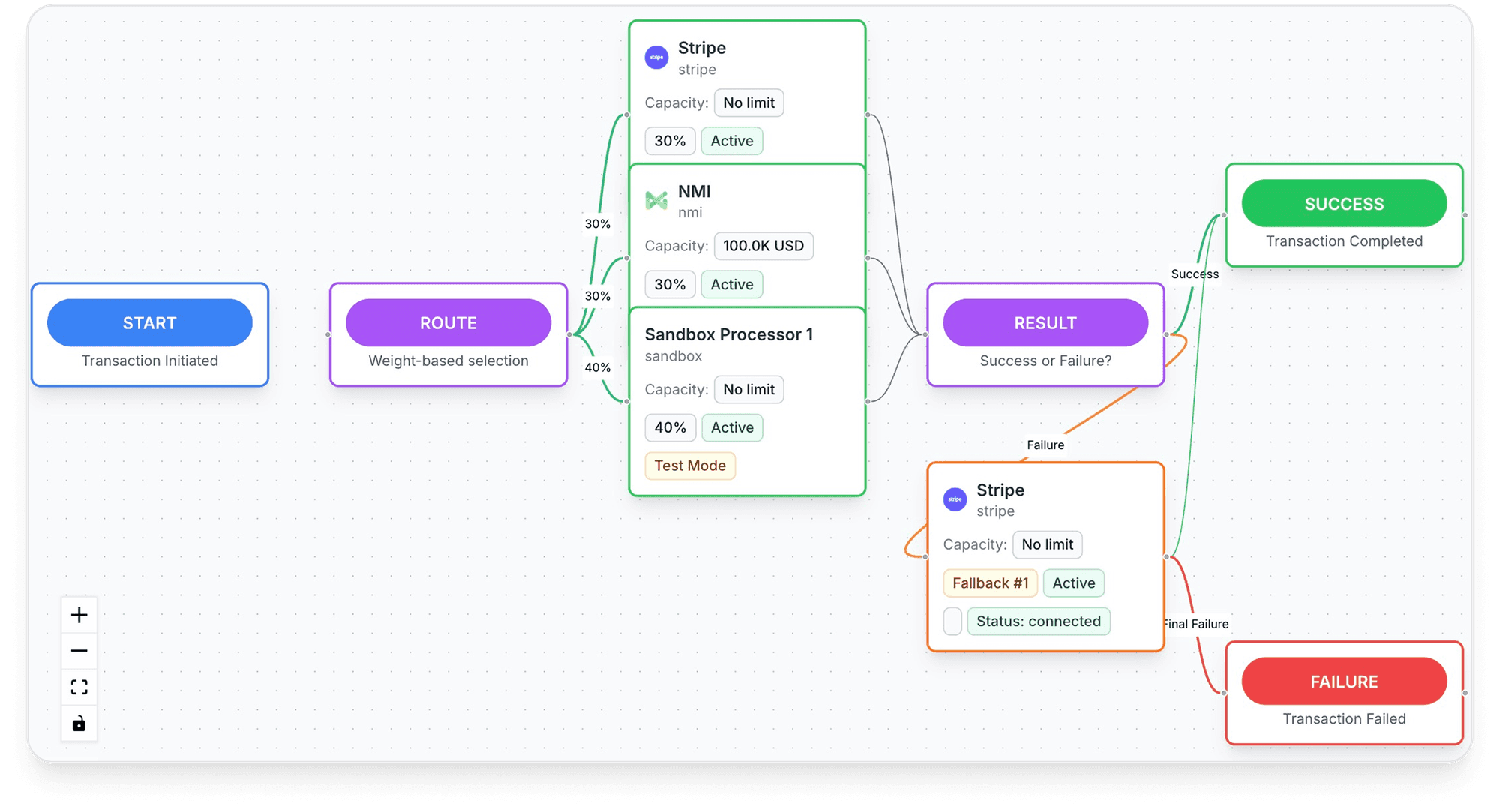
See every payment's route, processor by processor
Set the order your processors are tried in, per store, per country or per product.
The customer's side of the timeline
Card network rules aren't the only clock. In the US, the law gives cardholders and card issuers their own deadlines for billing errors.4US Federal Trade Commission, Using credit cards and disputing charges
- 60 days to complain. The cardholder's letter must reach the issuer within 60 days after the first bill showing the error was sent.
- 30 days to acknowledge. The issuer must acknowledge the complaint in writing within 30 days, unless it's already resolved.
- 90 days to resolve. The issuer must resolve the dispute within 90 days of receiving it.
Source: US Federal Trade Commission. These rules cover billing errors on credit cards; card network rules on chargebacks run alongside them.
For disputes about the quality of goods, the FTC lists conditions instead of a deadline, including a purchase above $5 and a first attempt to resolve it with the seller. That last condition is why a support inbox that answers fast prevents so many chargebacks.
What makes a chargeback take longer
- The purchase was for a future eventThe 120 days start on the event date, not the payment dateKeep evidence until well after the event
- The customer disputes several paymentsThe bank can group them into one dispute, or file new onesCheck each dispute's amount and reason before responding
- The bank refiles with new informationA second dispute on the same payment, with its own deadlineRespond to each one separately
- A compliance case under network rulesThe network itself decides if the parties don't agreeAt Stripe, contesting costs a $500 network fee, returned if you win
Stripe doesn't support the arbitration phase for ordinary disputes: the bank's decision is final.1Stripe Docs, How disputes work Rarely, an issuer corrects a decision outside the normal process, and Stripe records a "late win" with the funds returned.1Stripe Docs, How disputes work
What makes it shorter
There's only one way: accept the chargeback. You can do it from your processor's dashboard. The case closes at once, the customer keeps the money, and the chargeback still counts in your dispute rate.
The faster route is to avoid the chargeback in the first place: a refund before the customer calls the bank closes the matter in days. See chargeback vs refund for when to refund, and chargeback fees for what a lost case costs.
How Tagada helps
Payments that follow the card network rules
Tagada follows Visa and Mastercard rules and the laws that apply to payments. TagadaPay runs native 3DS2, device intelligence and a rules engine, and payments route across Stripe, Adyen and TagadaPay with one logic. See pricing for plans.
Frequently asked questions
How long does a chargeback take?
How long does a customer have to file a chargeback?
How long do I have to respond to a chargeback?
Does the money stay held during a chargeback?
Can I speed up a chargeback?
Can a lost chargeback be reversed later?
Sources
Checked October 14, 2026TagadaPay
Funds held for months? Don't let one processor hold all of them
Tell us what you sell and how you sell it. Each application is underwritten, and approval is not guaranteed.
- 01Tell us what you sell and how
- 02Underwriting reviews your business
- 03Process through TagadaPay alongside your other processors