
Ad Attribution for Online Pharmacies
How an online pharmacy measures which ads bring paying patients when platforms get little data: store orders, MER, cost per patient, surveys.



Article summary
TL;DR
Don't run an online pharmacy on the ROAS that Meta or Google report. Health data rules cut what they receive, and refills inflate blended numbers. Treat captured orders as the truth, track MER (revenue ÷ total ad spend) and ad cost per new paying patient, ask buyers where they heard of you, and test big channels with holdouts.
- Google lists "purchases of medical services, prescription drugs or medical devices" as sensitive, and those conversions "can't be used for measurement in enhanced conversions".
- When you promote in a sensitive category such as Health, Google marks Customer Match and your data segments as "Not supported".
- Meta's Business Tools Terms (effective November 3, 2025) bar sending data that includes "health information".
- MER, total revenue divided by total ad spend, checks the whole system whatever the platforms claim.
- No public ROAS or CAC benchmark exists for online pharmacies as of November 2026: build your own baseline.
 ChatGPT
 Claude
 Perplexity
 Grok
On this page
This guide is part of our playbook on the best ecommerce platform for online pharmacies. The general guide, for any store: attribution modeling. Clean purchase data comes first: server-side tracking for online pharmacies. If you sell prescription treatment as a brand, Tagada Rx puts storefront, doctors, pharmacy and payments in one stack, by application.
Why attribution is harder for an online pharmacy
- Platforms see less. You can't send health data, and Meta can strip event details or block Purchase events for health and wellness sources, as reported by Stape4Meta Business Tools Terms, effective November 3, 2025, read November 2, 20265Stape, Meta data sharing restrictions for healthcare, March 2, 2026 (vendor summary).
- The sale lands after review. The order is placed, then a prescription is checked, then the card is captured. Platform windows may close before that.
- Refills and renewals fill revenue reports, but this month's ads didn't cause most of them.
- Fewer audiences. Remarketing lists and customer lists are limited in health categories1Google Ads, Personalized advertising policy, sensitive interest categories, read November 2, 2026.
- Research before buying: patients compare pharmacies, prices and delivery times, then come back days later.
What the platforms won't let you use
| Tool | Status for a pharmacy |
|---|---|
| Google enhanced conversions | Not for conversions related to sensitive categories, including prescription drug purchases (Google customer data policies)3Google Ads, Customer data policies, read November 2, 2026 |
| Google Customer Match, your data segments | "Not supported" when promoting in a sensitive interest category (Google personalized advertising)1Google Ads, Personalized advertising policy, sensitive interest categories, read November 2, 2026 |
| Google predefined audiences | Allowed"even if promoting in sensitive interest categories" (Google personalized advertising)1Google Ads, Personalized advertising policy, sensitive interest categories, read November 2, 2026 |
| Health category scope at Google | Includes "Products, services, or procedures to treat or manage chronic health conditions" (Google, Health)2Google Ads, Personalized advertising: Health, read November 2, 2026 |
| Meta pixel and Conversions API data | No"health information"; event details can be cut for health and wellness sources (Meta terms; Stape)4Meta Business Tools Terms, effective November 3, 2025, read November 2, 20265Stape, Meta data sharing restrictions for healthcare, March 2, 2026 (vendor summary) |
Fig. 1What the platforms get, and what stays with you
What the platforms receive
- Purchase eventNo health information; details can be cut
- withClick IDgclid, fbclid, ttclid
Relative performance inside one platform only
What stays in your store
- Captured ordersCounted at capture, by day
- plusRefills and renewalsTold apart from first orders
- plusSurvey answersNew patients only
The truth everything is checked against
Measure on the right-hand side.
The 5 numbers that matter
| Number | Formula | What it tells you |
|---|---|---|
| Captured revenue and orders | From your store, by day, counted at capture | The truth everything is checked against |
| MER | Total revenue ÷ total ad spend | Whether the whole system is efficient6Admetrics, Marketing attribution for DTC e-commerce: the complete buying guide, 2026, read October 26, 2026 |
| Cost per new paying patient | Total ad spend ÷ new patients with a captured first order | Whether acquisition pays back |
| First-order MER | First-order revenue ÷ ad spend | Ad efficiency without refills |
| Platform-reported results | As reported by each platform | Relative performance inside one platform only |
Fig. 2Every number is checked against captured orders
- MERTotal revenue ÷ total ad spend
- Cost per new paying patientTotal ad spend ÷ new patients with a captured first order
- First-order MERFirst-order revenue ÷ ad spend
- Platform-reported resultsInside one platform only
The further from the store, the less you trust it on its own.
Watch out
Count an order when the payment is captured, after the prescription is approved, not when the card is authorized. Authorized orders that are later declined make every channel look better than it is.
Which number for which decision
| Decision | Use |
|---|---|
| Raise or cut the total budget | MER and cost per new paying patient, against payback |
| Move budget between platforms | Cost per new patient by platform, checked with surveys and tests |
| Choose campaigns inside Meta or Google | The platform's own results, inside that platform only |
| Choose creatives and landing pages | Platform results plus first-order conversion on your site |
| Decide if a channel works at all | A holdout test |
Payback targets and refill value: LTV and CAC for an online pharmacy.
Ask patients: the post-purchase survey
One question
On the thank-you page: "Where did you first hear about us?"7Fairing, Ecommerce experts' most valuable post-purchase survey questions, read October 26, 2026
A short list
Of channels: search, Meta, TikTok, a friend, a doctor, a podcast, plus "Other".
No health questions
The survey measures channels, nothing else.
New patients only
So refills don't skew it.
Compare with platform claims
Every month.
Incrementality: does the channel cause sales?
- Pick one channel with enough spend, often Meta prospecting or branded search.
- Hold out a group of regions, or a share of the audience where the platform offers it.
- Run for two to four weeks.
- Compare new paying patients between the groups, from your store data.
- Adjust that channel's reported numbers with the result6Admetrics, Marketing attribution for DTC e-commerce: the complete buying guide, 2026, read October 26, 2026.
One holdout test per quarter on the biggest channel.
Geographic holdouts suit a pharmacy well: your store already knows each patient's shipping state, and the test needs no personal data sent anywhere.
Monthly routine
| Step | What you do |
|---|---|
| 1 | Reconcile captured orders with each platform's reported purchases |
| 2 | Split revenue into first orders, refills and renewals |
| 3 | Compute MER and cost per new paying patient |
| 4 | Read new patients' survey answers |
| 5 | Run one holdout test per quarter on the biggest channel |
The ad rules themselves are in Meta and TikTok ads for online pharmacies and can you advertise prescription drugs on Facebook, Google and TikTok?.
How Tagada helps
Two clean dates to count from: first capture and each refill
For brands that sell prescription medications online, Tagada Rx runs storefront, doctors, pharmacy and payments in one stack, with LegitScript included10Tagada Rx, tagada.io/rx, read November 2, 2026.
The card is only captured once a doctor approves, and refills rebill on the day the pharmacy ships9Tagada docs, Tagada Rx: how it works, read November 2, 202610Tagada Rx, tagada.io/rx, read November 2, 2026. That gives you two clean dates to count from: first capture and each refill. Tagada Rx serves US patients only and is open by application to a selected group of brands.
In the Tagada checkout:
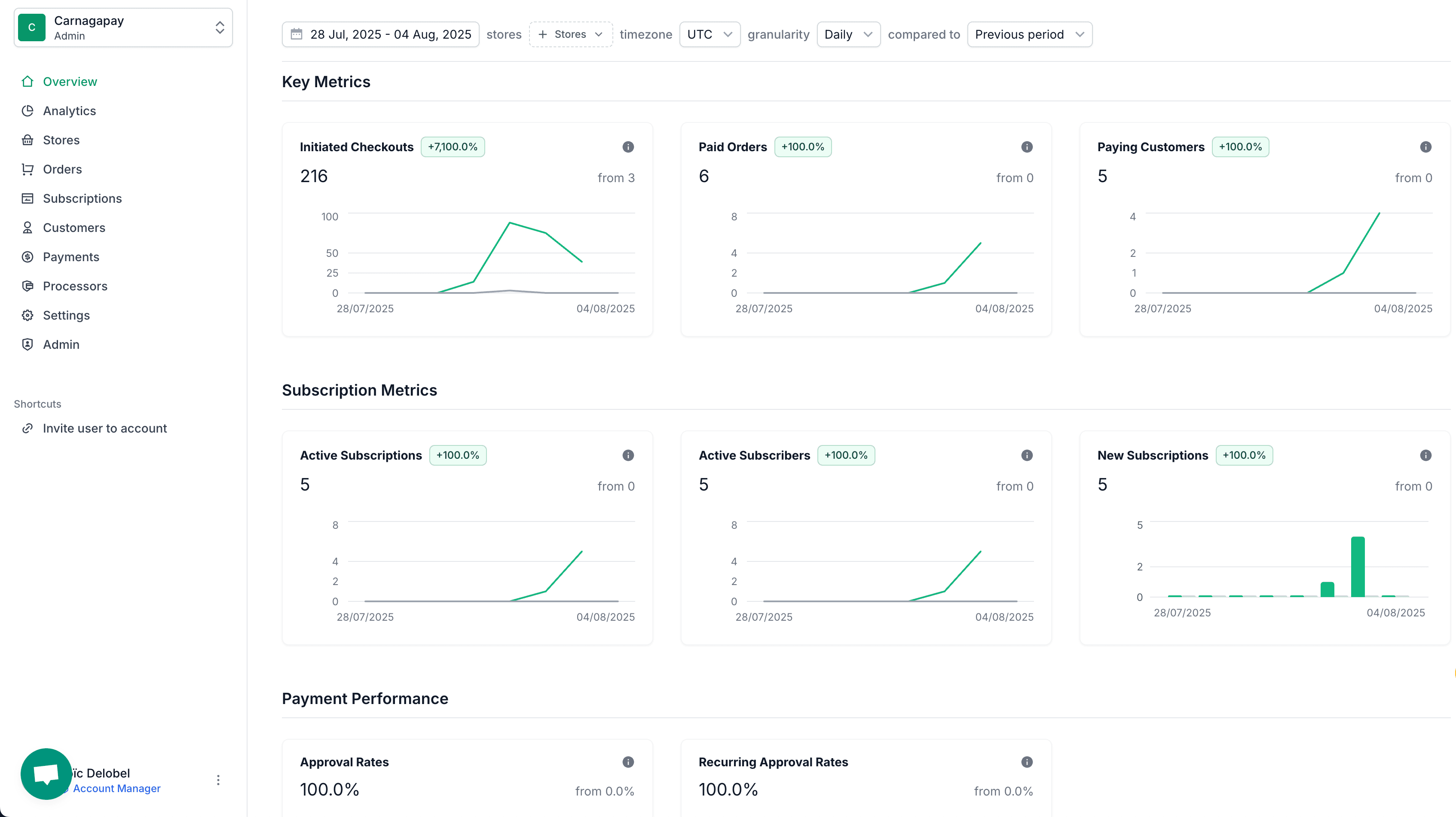
- Click IDs captured automatically at checkout (gclid, fbclid, ttclid and others), stored on the customer record8Tagada docs, Tracking and attribution overview, read November 2, 2026.
- Server-side events to Meta, Google and TikTok, sent from the checkout that takes the payment.
- Subscriptions in the same system, so renewals are told apart from first orders.
See the Rx stack and apply on the Tagada Rx page.
Frequently asked questions
What is a good ROAS for an online pharmacy?
What is MER?
Can an online pharmacy use remarketing on Google?
Why is my Meta ROAS different from my store revenue?
How do I measure ads without sharing patient data?
Sources
Checked November 2, 2026- Google Ads, Personalized advertising policy, sensitive interest categories, read November 2, 2026
- Google Ads, Personalized advertising: Health, read November 2, 2026
- Google Ads, Customer data policies, read November 2, 2026
- Meta Business Tools Terms, effective November 3, 2025, read November 2, 2026
- Stape, Meta data sharing restrictions for healthcare, March 2, 2026 (vendor summary)
- Admetrics, Marketing attribution for DTC e-commerce: the complete buying guide, 2026, read October 26, 2026
- Fairing, Ecommerce experts' most valuable post-purchase survey questions, read October 26, 2026
- Tagada docs, Tracking and attribution overview, read November 2, 2026
- Tagada docs, Tagada Rx: how it works, read November 2, 2026
- Tagada Rx, tagada.io/rx, read November 2, 2026
Tagada Rx
Judge pharmacy ads on captured orders, not platform claims
Tagada Rx runs the stack behind your brand. Open by selection: every application is reviewed, and we reply to each one.
- 01Tell us about your brand
- 02We review every application
- 03Go live under your brand after review