
Ad Attribution for Telehealth Companies
How a telehealth brand measures which ads bring approved, retained patients: MER, blended CAC, surveys and holdout tests, without health data.


Article summary
TL;DR
Don't judge telehealth ads on the purchases Meta, Google or TikTok report. A checkout is not a patient: some are declined, some never refill. Measure in your own data (approved patients, captured revenue, second refill), watch MER and blended CAC, test big channels with holdouts, and send the platforms only a generic paid event.
- Meta can restrict health and wellness data sources, up to blocking events such as Purchase, and this applies to the Conversions API too (Stape, March 2026).
- Meta's Business Tools Terms (effective November 3, 2025) ask advertisers not to share data based on health information, so clinical milestones stay out of ad events.
- A platform credits the order when it starts, even if approval or fulfillment later fails, as Bask Health notes (February 2026).
- No published source gives a telehealth CAC or ROAS benchmark with a stated method (checked November 2, 2026): build your own baseline.
- MER (total revenue ÷ total ad spend) doesn't depend on which platform claims a sale.
 ChatGPT
 Claude
 Perplexity
 Grok
On this page
This guide is part of our playbook on the best ecommerce platform for telehealth companies. The general guide, for any business: attribution modeling. Clean purchase data comes first: server-side tracking for telehealth companies.
Why attribution breaks in telehealth
A checkout is not a patient
Between the payment and the first shipment, a clinician can decline the case. In a hold-then-capture model, the card hold is then released and no revenue exists.
The value is in refills
A patient who stops after one month and one who stays a year look the same on the day of the ad click.
Meta sees less
Health and wellness restrictions can strip details or block Purchase events1Stape, Meta adds data sharing restrictions for health and wellness data sources, March 3, 2026 (secondary source).
You shouldn't send it more
Approvals and prescriptions are medical facts about a person; they don't belong in ad events2Meta Business Tools Terms, effective November 3, 2025 (health data clause paraphrased).
Clinical delay
Review and shipping take days, longer than many default attribution windows.
Measure the patient, not the checkout
Follow each new patient through five steps. The ad platforms see the first one at best; you see all five.
| Step | What happened | Who sees it | Use it for |
|---|---|---|---|
| 1. Checkout | Payment or card hold | Ad platforms (generic event) and you | Creative and campaign tests inside a platform |
| 2. Capture | Card charged after approval | You | Real first-order revenue |
| 3. Approval rate | Approved ÷ submitted cases | You | Whether a channel brings eligible patients |
| 4. First shipment | Pharmacy ships | You | Cohort start |
| 5. Second refill | Rebill succeeds | You | Early sign of retention |
Fig. 1The platform sees one step, you see five
What the ad platform sees
- 1. CheckoutGeneric paid event
The checkout, at best
What you see
- 1. CheckoutPayment or card hold
- then2. CaptureCard charged after approval
- then3. Approval rateApproved ÷ submitted cases
- then4. First shipmentCohort start
- then5. Second refillRebill succeedsApproved
Real revenue, audience fit and retention
Steps 2 to 5 stay in your own data.
Example
Meta reports 100 purchases in a week. Your data shows 100 checkouts, 82 approved and captured, 80 shipped, and 52 second refills two months later. Judge the campaign on the 82 and, later, the 52, not the 100.
Fig. 2100 purchases for Meta, 52 patients still there two months later
Judge on the 82, then the 52.
If a channel brings many checkouts but a low approval rate, its audience doesn't fit your clinical criteria. Fix the targeting or the landing page, not the bid.
The numbers that matter
| Number | Formula | What it tells you |
|---|---|---|
| Captured revenue | Revenue actually charged, by day | The truth everything else is checked against |
| MER | Total revenue ÷ total ad spend | Whether the whole system is efficient |
| Blended CAC | Total acquisition spend ÷ new approved patients | What one real patient costs |
| Approval rate by channel | Approved ÷ submitted, per source | Audience fit |
| Second-refill rate by channel | Patients reaching refill 2 ÷ approved, per source | Retention by source |
| Platform-reported ROAS | As reported | Relative performance inside one platform only |
Payback targets and LTV math are in LTV and CAC for a telehealth company.
Watch out
A platform ROAS that includes refills charged months later credits this month's ads for last quarter's patients. Separate first orders from rebills before you judge any campaign.
What the ad platforms should and shouldn't receive
| Send | Keep in your own data |
|---|---|
| One generic paid event, value and currency | Approval, decline, prescription, shipment |
| Event ID shared with any browser event, for deduplication3Meta for Developers, Deduplicate Pixel and server events, read November 2, 2026 | Treatment or product names that describe a condition |
| Hashed contact data where consented | Intake answers and survey answers |
| Click IDs captured on the landing page | Refill and cancellation events |
Optimization will be weaker than in a store that sends everything. That is the cost of a regulated category: GoodRx paid a $1.5 million civil penalty in 2023 over health data shared with ad platforms5FTC, Enforcement action to bar GoodRx from sharing consumers' sensitive health info for advertising, February 1, 2023. Make up for it with better measurement on your side.
Ask new patients: the post-purchase survey
A one-question survey after checkout catches what tracking misses: creators, podcasts, word of mouth.
- Ask one question: "Where did you first hear about us?"
- Offer your channels as a short list, plus "Other".
- Ask new patients only, once.
- Never ask a health question in the survey, and keep the answers out of your ad platforms.
- Compare with platform claims each month: if Meta claims 70% of new patients and patients name Meta 30% of the time, investigate.
Incrementality: test with the clinical delay in mind
A holdout test turns a channel off for part of the audience or a group of regions and compares results.
- Pick one channel with enough spend, often Meta prospecting or branded search.
- Hold out a share of the audience, or a group of states you serve.
- Run long enough to cover the review and shipping delay, plus a few weeks.
- Compare approved new patients, not checkouts, between the two groups4Bask Health, Incremental revenue in healthcare marketing, February 23, 2026 (vendor blog).
- Discount or credit that channel's platform numbers by the result.
Compare approved new patients, not checkouts, and only hold out states your clinicians can treat.
Only hold out states where your clinicians can treat patients. State coverage is covered in is it legal to sell telehealth services in my state?.
Monthly routine
| Step | What you do |
|---|---|
| 1 | Reconcile platform purchases with checkouts and captured payments |
| 2 | Split revenue into first orders and rebills |
| 3 | Compute MER, blended CAC and approval rate by channel |
| 4 | Read survey answers from new patients |
| 5 | Update second-refill rates for cohorts two months old |
| 6 | Plan one holdout test per quarter on your largest channel |
Ad policies that shape what you can run are in Meta and TikTok ads for telehealth companies.
How Tagada helps
Attribution that ends at the paid order
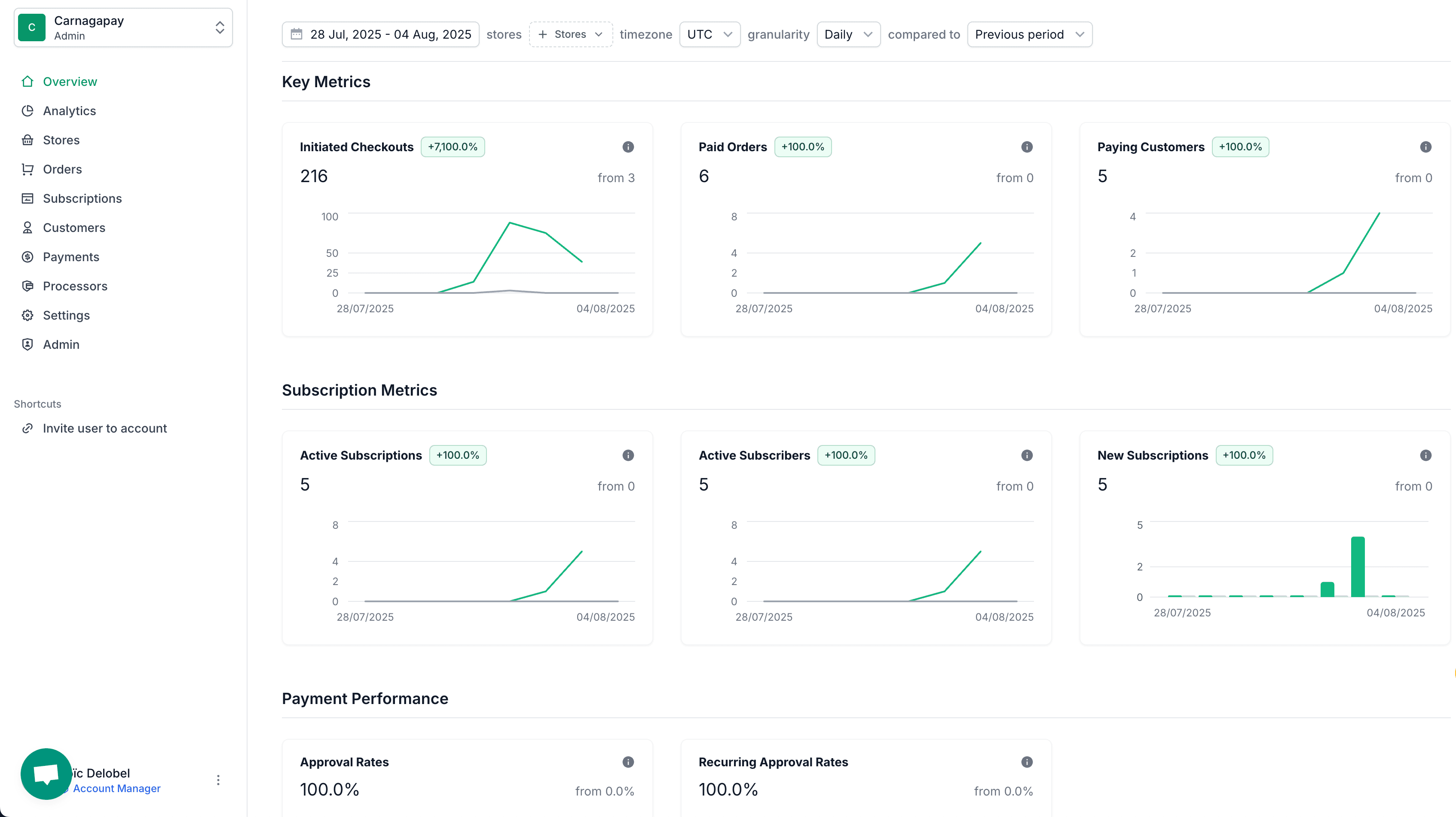
Tagada keeps checkout, orders and tracking together, with payments on TagadaPay and the processors you already use: "Already on Stripe, NMI or Airwallex? We orchestrate those too."10TagadaPay, homepage, read November 2, 2026
On the Tagada checkout, in the docs:
- Server-side events to Meta (Conversions API) on paid orders, deduplicated with the browser event8Tagada docs, Tracking and attribution overview, read November 2, 2026
- Click IDs captured at checkout (gclid, fbclid, ttclid and others) into the customer record, and server-side postbacks to trackers such as Voluum, RedTrack or Hyros8Tagada docs, Tracking and attribution overview, read November 2, 2026
- Funnel conversion rate reported per funnel: the share of sessions that led to a paid first order over the last 30 days9Tagada docs, API reference, List funnels for a store, read November 2, 2026
For a telehealth brand, check what each connected tool receives before you switch it on.
Building the whole telehealth brand? With Tagada Rx, "The card is only captured once a doctor approves", so captured revenue is approved revenue6Tagada, Tagada Rx, read November 2, 2026, and a case timeline records each status up to delivery7Tagada docs, How Tagada Rx works, read November 2, 2026. US patients only, by selection.
Frequently asked questions
How do I measure ad performance for a telehealth brand?
Why does Meta report more purchases than I have patients?
Can I send approved prescriptions to Meta as a conversion?
What is a good CAC for a telehealth company?
What is the difference between MER and ROAS?
Sources
Checked November 2, 2026- Stape, Meta adds data sharing restrictions for health and wellness data sources, March 3, 2026 (secondary source)
- Meta Business Tools Terms, effective November 3, 2025 (health data clause paraphrased)
- Meta for Developers, Deduplicate Pixel and server events, read November 2, 2026
- Bask Health, Incremental revenue in healthcare marketing, February 23, 2026 (vendor blog)
- FTC, Enforcement action to bar GoodRx from sharing consumers' sensitive health info for advertising, February 1, 2023
- Tagada, Tagada Rx, read November 2, 2026
- Tagada docs, How Tagada Rx works, read November 2, 2026
- Tagada docs, Tracking and attribution overview, read November 2, 2026
- Tagada docs, API reference, List funnels for a store, read November 2, 2026
- TagadaPay, homepage, read November 2, 2026
Tagada
Judge campaigns on approved patients, not checkouts
Funnels, one-click upsells, subscription billing and payment routing, on one customer record.
- 01Create your free account
- 02Connect your store or build a checkout
- 03Launch funnels, upsells and subscriptions