
Subscriptions and Churn for Telehealth Companies: When to Sell on Subscription and How to Keep Subscribers
When a telehealth service fits a subscription, which cancellations not to fight, why patients leave, and a cancel flow that doesn't trap them.

Article summary
TL;DR
Sell on subscription when the care is ongoing: a treatment plan with regular refills, or scheduled follow-ups. Keep one-off consultations as single purchases. To keep subscribers, give them control (skip, pause, change frequency), bill when the treatment ships, and fix failed payments. Never use a hard cancellation: the FTC has acted against telehealth companies on exactly that.
- Failed payments, or involuntary churn, make up "an estimated 20% - 40% of total churn across subscription businesses" (Recurly, April 2026).
- "53% of subscribers made order adjustments in the past year" across Recharge brands (September 2024): patients want control, not only a yes or no.
- Cerebral agreed in 2024 to pay $7 million after the FTC said it promised "cancel anytime" but ran a "complex, multi-step, and often multi-day" cancellation process.
- The FTC alleges Hims & Hers made cancellation difficult "by hiding the cancellation button from consumers" (July 29, 2026).
- No telehealth churn benchmark with a published method exists as of November 2026: measure your own cohorts.
 ChatGPT
 Claude
 Perplexity
 Grok
On this page
This guide is part of our playbook on the best ecommerce platform for telehealth companies. The general guide, for any store: subscription retention and cancellation flows. Billing setup is in subscription billing for telehealth companies.
When a subscription fits a telehealth brand
| Your service | Subscription? | Why |
|---|---|---|
| Ongoing treatment plan with refills | Yes | The patient needs the next shipment; billing on ship day matches the care |
| Follow-ups on a schedule | YesAs a membership | Access to the care team is the recurring value: memberships for telehealth companies |
| One-off consultation | No | A recurring charge for a one-time need becomes a refund or a dispute |
| Short, fixed-length plan | Prepaid package instead | A set number of months, billed once, ends on its own |
| Uncertain duration | Subscription with easy pause | The clinician may change or stop the plan |
Fig. 1Is the care ongoing?
- Yes: treatment plan with refillsSubscription, billed on ship day
- Yes: follow-ups on a scheduleMembership
- Uncertain durationSubscription with easy pause
- No: short, fixed-length planPrepaid package
- No: one-off consultationOne-time purchase
Ongoing care recurs; a one-time need does not.
Patients also look for the opposite: Google suggests "telehealth no subscription" next to "telehealth subscription" (US autocomplete, November 2, 2026). A one-time option next to the subscription answers that demand.
Churn you should not try to save
Some cancellations are the plan working as intended, or a rule you must follow.
The clinician ends or changes the plan
Billing follows the clinical decision. No retention offer.
The patient moves to a state you don't cover
The clinician must be authorized where the patient is; the Interstate Medical Licensure Compact (44 states, the District of Columbia and Guam) speeds up licenses but is not a national license9Interstate Medical Licensure Compact Commission, A faster pathway to physician licensure, read November 3, 2026.
The patient no longer needs the service
Let them go cleanly; they may come back.
The patient didn't understand they subscribed
Refund and fix the checkout, don't argue.
Count these apart from avoidable churn, or your retention work will chase the wrong cancellations.
Why patients cancel, and what to answer
| Reason | What to answer |
|---|---|
| Price | A longer prepaid term at a lower monthly price, or a lighter plan if the clinician agrees |
| Too much product at home | Skip or delay the next shipment |
| Wants a break | Pause, with a restart date |
| Surprised by a charge | Clear reminders before each renewal; refund if needed |
| Poor experience with support | A direct line to a person, then fix the cause |
| Moving, insurance, other provider | Let them go; offer to keep their records accessible |
Medical questions, such as whether to continue a treatment, go to the care team, never to a retention script.
A cancel flow that saves without trapping
Fig. 2A cancel flow in five steps
- Cancel is visible in the patient's account, as easy to find as the sign-up button.
- One question: why are you leaving? Optional.
- One relevant offer based on the answer: skip, pause, change frequency, or a prepaid term.
- A clear way to finish canceling right next to the offer. California requires an immediate way to cancel online when you present a retention offer6California Business and Professions Code § 17602 (contracts from July 1, 2025).
- Confirmation on screen and by email, with the end date of the paid period.
Medical questions go to the care team, never to a retention script.
One offer, and the way out right next to it.
Watch out
ROSCA requires "simple mechanisms for a consumer to stop recurring charges"5Restore Online Shoppers' Confidence Act, 15 U.S.C. § 8403. The FTC's federal "click-to-cancel" rule was struck down in July 2025, and as of November 2, 2026 no replacement rule has been proposed7Federal Register, Revision of the Negative Option Rule, 91 FR 6507, February 12, 20268Federal Register, Rule Concerning the Use of Prenotification Negative Option Plans, 91 FR 12318, March 13, 2026. ROSCA, state laws and the FTC's cases still apply.
The state-by-state rules: subscription cancellations without breaking state rules.
Involuntary churn: the cheapest to fix
Patients who leave because a card failed didn't decide to leave. With 20% to 40% of churn coming from failed payments in subscription businesses1Recurly, Failed payment recovery: a data-based strategy, April 30, 2026, recovery is usually the first lever:
- Retry soft declines on a schedule.
- Send a card update link with no health data in the message.
- Hold the next shipment until it's paid, and tell the patient.
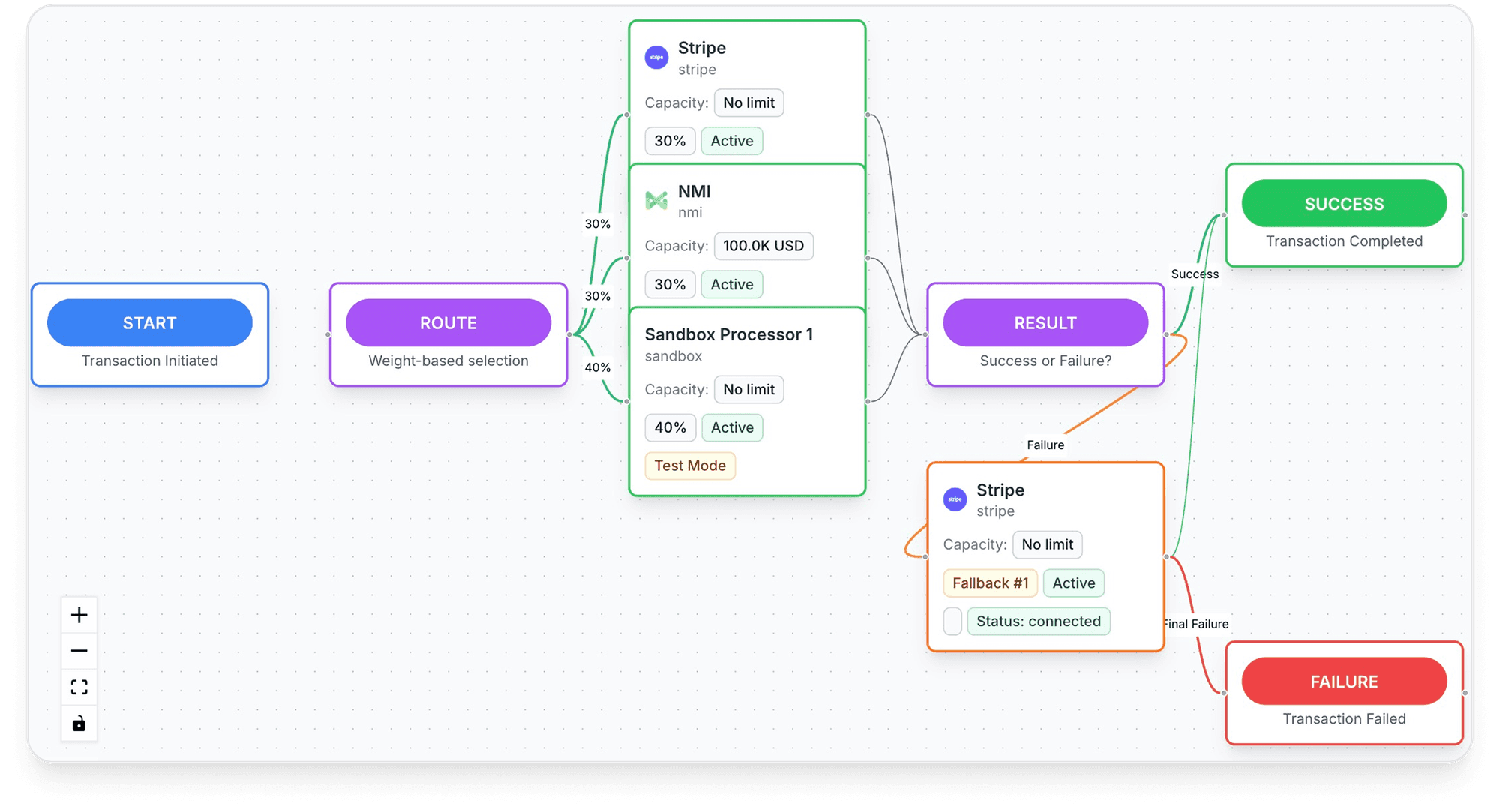
- Route renewals to a backup processor when one is down or times out.
Fig. 3A failed renewal, recovered without health data
What each message does
- Card update link, with no health data in the message.
- Shipment on hold until it's paid, and the patient knows.
- Paid: the plan continues, no cancellation.
- Your care teamMonYour payment didn't go throughUpdate your card in your account to keep your plan active.
- Your care teamMonNext shipment on holdIt ships as soon as the payment is complete.
- Your care teamWedPayment receivedYour next shipment is on its way.
Card link, shipment on hold, nothing medical in the message.
The full sequence: failed payment recovery for telehealth companies.
Measure churn by cohort
| Metric | Formula | Why |
|---|---|---|
| Monthly churn | Plans ended in the month ÷ active plans at the start | Your headline number |
| Avoidable vs. not | Split by reason: patient choice, payment failure, clinical end, state | Work only on what you can change |
| Retention by shipment | Patients reaching shipment 2, 3, 6 ÷ starting patients | Where patients drop off |
| Save rate | Patients who chose skip, pause or offer ÷ patients who started canceling | Does the cancel flow help? |
| Disputes after cancellation | Disputes ÷ cancellations | Did patients feel trapped? |
Use these in your lifetime value: LTV and CAC for a telehealth company.
How Tagada helps
Subscriptions patients can adjust instead of cancel
Tagada runs subscriptions and payments on one system, with TagadaPay behind renewals: "Your PCI-tokenized cards, your customer profiles, your subscription data, all portable."13TagadaPay, homepage, read November 2, 2026
The Tagada customer portal, documented in the customer portal guide, lets patients:
- "skip, pause, change frequency, swap product, cancel with your retention offers"10Tagada docs, Headless SDK: customer portal, read November 2, 2026
- Pause within a limit you set, "90 days by default"10Tagada docs, Headless SDK: customer portal, read November 2, 2026
- Cancel at the end of the paid period, the default behavior10Tagada docs, Headless SDK: customer portal, read November 2, 2026
Subscriptions also include automatic retries on failed renewals and routing across TagadaPay and processors such as Stripe, NMI and Airwallex, with a cascade to another processor when one is down or times out.
Building the whole telehealth brand? With Tagada Rx, "Recurring treatments rebill the day the pharmacy ships", "Declined, cancelled, and errored cases never rebill"11Tagada docs, Rx: how it works, read November 2, 2026, and patients get a "Patient inbox, refills, email and SMS"12Tagada, Tagada Rx, read November 2, 2026. US patients only, by selection.
Frequently asked questions
Should a telehealth company sell on subscription?
What is a normal churn rate for telehealth subscriptions?
How do I reduce churn without making cancellation hard?
Is the FTC click-to-cancel rule in force?
What should happen when the clinician stops the treatment?
Sources
Checked November 2, 2026- Recurly, Failed payment recovery: a data-based strategy, April 30, 2026
- Recharge, Subscriber Trends insights report, press release, September 17, 2024
- FTC, Proposed FTC Order will Prohibit Telehealth Firm Cerebral from Using or Disclosing Sensitive Data for Advertising Purposes, and Require it to Pay $7 Million, press release, April 15, 2024
- FTC, FTC and States Act Against Hims & Hers for Deceptive and Unlawful Privacy Practices, press release, July 29, 2026 (allegations; the case is ongoing)
- Restore Online Shoppers' Confidence Act, 15 U.S.C. § 8403
- California Business and Professions Code § 17602 (contracts from July 1, 2025)
- Federal Register, Revision of the Negative Option Rule, 91 FR 6507, February 12, 2026
- Federal Register, Rule Concerning the Use of Prenotification Negative Option Plans, 91 FR 12318, March 13, 2026
- Interstate Medical Licensure Compact Commission, A faster pathway to physician licensure, read November 3, 2026
- Tagada docs, Headless SDK: customer portal, read November 2, 2026
- Tagada docs, Rx: how it works, read November 2, 2026
- Tagada, Tagada Rx, read November 2, 2026
- TagadaPay, homepage, read November 2, 2026
Tagada
Keep patients on plan without trapping them
Funnels, one-click upsells, subscription billing and payment routing, on one customer record.
- 01Create your free account
- 02Connect your store or build a checkout
- 03Launch funnels, upsells and subscriptions