
International Payments for Info Product Businesses
What changes when course and coaching sellers take foreign buyers: EU VAT on digital courses, withdrawal rights, foreign card fees and declines.

Article summary
TL;DR
Selling a course abroad is easy to switch on and harder to run well. In the EU, pre-recorded courses are taxed where the buyer lives, from the first sale for non-EU sellers. EU buyers keep a 14-day withdrawal right unless your checkout records their waiver. Foreign cards cost more and decline more: add 3D Secure, local currencies and local methods.
- EU law treats services "essentially automated and involving minimal human intervention" as electronically supplied; teaching "delivered by a teacher over the Internet" is listed apart.
- Non-EU sellers to EU consumers use the non-Union OSS scheme; the €10,000 threshold applies only to sellers established in one EU member state.
- The EU withdrawal exception for digital content needs the buyer's "prior express consent" and acknowledgment that they lose the right.
- One 2026 acquirer schedule adds 0.678% to a Visa cross-border sale in the merchant's currency, 1.13% in another.
- Teachable charges 3.9% + 30¢ on international cards versus 2.9% + 30¢ on US cards (as of November 2026).
 ChatGPT
 Claude
 Perplexity
 Grok
On this page
This guide is part of our hub on info product payment processing. The general guide, for any business: international and multi-currency payment processing.
What changes when you sell abroad
Fig. 1Each market, what changes, and the answer at checkout
- European UnionVAT where the buyer lives; 14-day withdrawal right; SCA on cardsNon-Union OSS, waiver box for digital content, 3D Secure
- JapanStripe prohibits advice on profiting from trading, resale or dropshippingCheck the country section of your processor's list before you advertise
- Latin AmericaBuyers expect local optionsLocal currency and local methods
- Any foreign cardCross-border and currency fees; more declinesPrice in the fees; local acquiring where it's allowed
Tax and refund rights come first; the payment setup follows.
VAT on digital courses
The EU taxes where the consumer is. Whether your course is an "electronically supplied service" depends on how it's delivered.
| Format | EU treatment |
|---|---|
| Pre-recorded course, automated quizzes | Electronically supplied: "essentially automated and involving minimal human intervention"1Council Implementing Regulation (EU) No 282/2011, article 7, original text, read November 2, 2026 |
| Live teaching over the internet | Listed apart: "teaching services, where the course content is delivered by a teacher"1Council Implementing Regulation (EU) No 282/2011, article 7, original text, read November 2, 2026; since January 1, 2025, live-streamed events are taxed where the customer is, per Quaderno4Quaderno, Online courses: when digital taxes apply to distance learning, updated September 4, 2026 (tax software vendor) |
| Ebook, templates | Digital content, delivered electronically |
If you're not established in the EU, you can declare these sales through the non-Union OSS scheme, open to "any taxable person, not established in the EU, who supplies services to non-taxable persons"2European Commission, VAT One Stop Shop, Register for OSS, read November 2, 2026. The €10,000 threshold you read about online is for sellers established in a single member state; it doesn't apply to US sellers3European Commission, Guide to the VAT One Stop Shop, read November 2, 2026.
Course platforms differ on who collects the tax. Check whether yours acts as merchant of record or leaves it to you, and confirm with an accountant. US sales tax on digital courses is a separate, state-by-state question.
Tagada follows Visa and Mastercard rules and the laws that apply to payments.
The EU withdrawal right and digital courses
EU consumers have 14 days to withdraw from a distance purchase. For digital content, the original directive lifts that right only if "the performance has begun with the consumer's prior express consent and his acknowledgment that he thereby loses his right of withdrawal"5Directive 2011/83/EU on consumer rights, article 16, original text, read November 2, 2026.
Coaching works differently. A service contract loses the right only "after the service has been fully performed"5Directive 2011/83/EU on consumer rights, article 16, original text, read November 2, 2026: a 12-week coaching program isn't fully performed until week 12.
Fig. 2When an EU buyer loses the right to withdraw
Digital course
- CheckoutUnchecked box ticked
- grantsImmediate accessWithdrawal right acknowledged as lostApproved
Right lifted once access begins with consent
12-week coaching program
- CheckoutSame consent
- runs untilWeek 12Fully performed
Right lost only after the service is fully performed
Instant access needs the buyer's consent; coaching runs to the end.
- Add an unchecked box at checkout for EU buyers: they ask for immediate access and acknowledge losing the withdrawal right.
- Confirm it in the receipt email.
- Log it with the order, so you can show it in a dispute.
Visa has a matching dispute for Europe: 13.7 applies when a buyer cancels a distance contract within 14 days, but not when "Goods are not received in physical form (software download)"6Visa Core Rules and Visa Product and Service Rules: table 11-130, edition of October 24, 2026; sections 1.5.1.1 and 1.5.1.2, edition of April 18, 2026.
Foreign cards: cost and declines
Card fees
Teachable charges 3.9% + 30¢ on international cards against 2.9% + 30¢ on US cards10Teachable, Pricing, read November 2, 2026; Whop adds 1.5% for international cards and 1% for currency conversion11Whop Docs, Fees, read November 2, 2026.
Acquirer fees
In TD Merchant Solutions' July 2026 schedule, a Visa cross-border sale adds 0.678% in the merchant's currency and 1.13% in another7TD Merchant Solutions, Fee Descriptions, July 2026.
Approvals
Issuers are more cautious with foreign merchants, and cross-border payments decline more, as Adyen explains8Adyen, Cross-border payments: go global, process local, February 3, 2020.
Authentication
Strong Customer Authentication is "a European regulatory requirement"; non-compliant payments "may be declined"9Kajabi Help Center, How Kajabi supports payment authentication, read November 2, 2026.
More on reading declines: reducing payment declines for info product businesses.
Currencies and local methods
Show prices in the buyer's currency where you sell most, and charge in that currency if your processor settles it. Then add the methods buyers in that market expect: wallets everywhere, bank-based methods in parts of Europe, local options in Latin America.
Keep two limits in mind. A local price isn't a local acquirer: Visa's rules say an acquirer "must accept Transactions only from a Merchant Outlet within the Acquirer's Country of Domicile", unless Visa approves otherwise6Visa Core Rules and Visa Product and Service Rules: table 11-130, edition of October 24, 2026; sections 1.5.1.1 and 1.5.1.2, edition of April 18, 2026. And BNPL is often domestic only. Which methods fit info products: payment methods for info product businesses.
Processor rules by country
Stripe doesn't name courses or coaching in its general lists. Japan is the exception: Stripe prohibits there "Consultation or advisory services providing guidance, information or tools on how to profit through trading or investments in financial products or cryptocurrency or running a resale or dropshipping business"12Stripe, Restricted and prohibited businesses, section Japan, read November 2, 2026.
If you sell a trading, investing or ecommerce program, check each country section of your processor's list before you advertise there. The general position: does Stripe allow info products and online courses?
Before you open a market
- Tax: check VAT or GST rules for your course format, and who collects it1Council Implementing Regulation (EU) No 282/2011, article 7, original text, read November 2, 20262European Commission, VAT One Stop Shop, Register for OSS, read November 2, 2026.
- Refunds: add the withdrawal waiver for EU buyers; write refund terms for each market5Directive 2011/83/EU on consumer rights, article 16, original text, read November 2, 2026.
- Processor: confirm your offer is allowed in that country12Stripe, Restricted and prohibited businesses, section Japan, read November 2, 2026.
- Checkout: local currency, local methods, 3D Secure for Europe9Kajabi Help Center, How Kajabi supports payment authentication, read November 2, 2026.
- Pricing: factor in cross-border and conversion fees7TD Merchant Solutions, Fee Descriptions, July 202610Teachable, Pricing, read November 2, 202611Whop Docs, Fees, read November 2, 2026.
- Ads: check platform rules for that country before spending: can you advertise info products on Facebook, Google and TikTok.
Tax and refund rules first, then processor, checkout and pricing.
How Tagada helps
One course checkout for buyers in 180+ countries
TagadaPay is built for selling across borders. "If you sell something real, we will get you paid." TagadaPay lists info products, coaching and online courses among its industries, with "enhanced review for regulated verticals"13TagadaPay, homepage, read November 2, 2026. "Live in 24h. You own your vault."13TagadaPay, homepage, read November 2, 2026
- "Daily payouts, 135+ currencies" and "180+ Countries supported"13TagadaPay, homepage, read November 2, 2026.
- "40+ Local payment methods"13TagadaPay, homepage, read November 2, 2026.
- "Native 3DS2, device intelligence, and rules engine" for European cards and risky foreign orders13TagadaPay, homepage, read November 2, 2026.
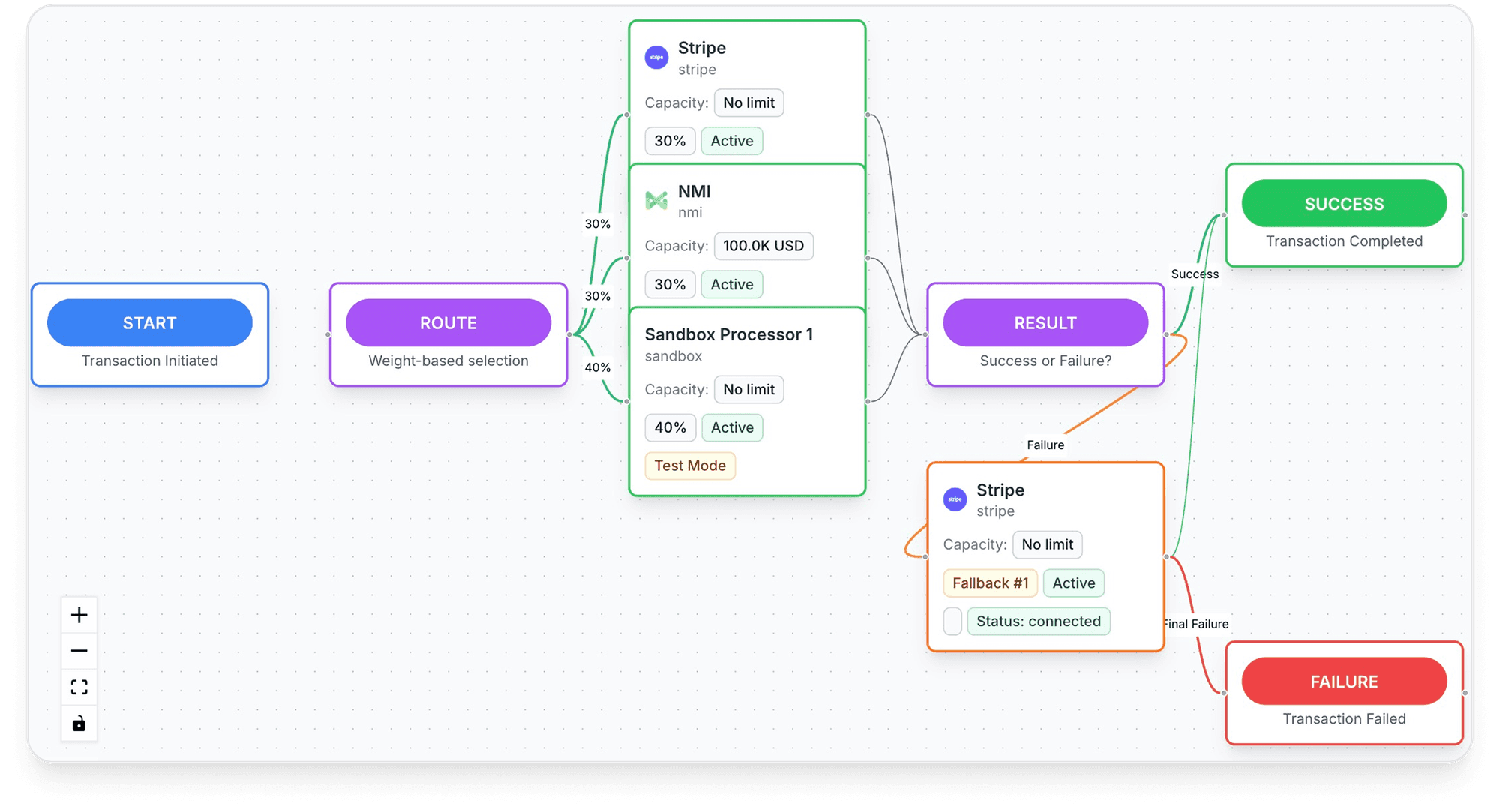
- "Route to the processor most likely to approve it, retry on decline. No engineering required."13TagadaPay, homepage, read November 2, 2026
Frequently asked questions
Do I have to charge VAT on online courses sold to EU buyers?
Do EU buyers have a 14-day right to cancel a digital course?
Why are international buyers' cards declined more often?
Should I price my course in local currency?
Sources
Checked November 2, 2026- Council Implementing Regulation (EU) No 282/2011, article 7, original text, read November 2, 2026
- European Commission, VAT One Stop Shop, Register for OSS, read November 2, 2026
- European Commission, Guide to the VAT One Stop Shop, read November 2, 2026
- Quaderno, Online courses: when digital taxes apply to distance learning, updated September 4, 2026 (tax software vendor)
- Directive 2011/83/EU on consumer rights, article 16, original text, read November 2, 2026
- Visa Core Rules and Visa Product and Service Rules: table 11-130, edition of October 24, 2026; sections 1.5.1.1 and 1.5.1.2, edition of April 18, 2026
- TD Merchant Solutions, Fee Descriptions, July 2026
- Adyen, Cross-border payments: go global, process local, February 3, 2020
- Kajabi Help Center, How Kajabi supports payment authentication, read November 2, 2026
- Teachable, Pricing, read November 2, 2026
- Whop Docs, Fees, read November 2, 2026
- Stripe, Restricted and prohibited businesses, section Japan, read November 2, 2026
- TagadaPay, homepage, read November 2, 2026
TagadaPay
Sell courses abroad without losing approvals or refunds
Tell us what you sell and how you sell it. Each application is underwritten, and approval is not guaranteed.
- 01Tell us what you sell and how
- 02Underwriting reviews your business
- 03Process through TagadaPay alongside your other processors