Can You Advertise Supplements on Facebook, Google and TikTok?
What Meta, Google and TikTok allow for supplement ads, the claims that get ads and merchant accounts in trouble, and why processors read your ads.



Article summary
TL;DR
Yes, on all three, with limits. Meta restricts weight loss and health products to adults and bans cure claims; Google bans supplements with active pharmaceutical ingredients and those on its unapproved list; TikTok limits weight loss claims to 18+ audiences without exaggerated results. The same claims that get ads rejected also get merchant accounts reviewed, because processors read your ads and landing pages.
- Meta bans "unsafe substances, products or supplements, as determined by Meta at its sole discretion".
- Meta sets 18+ targeting for dietary, health and weight products and bans claims to "cure, heal, or eliminate".
- Google bans "herbal and dietary supplements with active pharmaceutical or dangerous ingredients" and products implying they're "as effective as prescription drugs".
- TikTok allows weight loss supplements for 18+ in the US without "exaggerated or harmful" claims.
- You're liable for affiliates' deceptive claims "even when the endorser is not liable".
 ChatGPT
 Claude
 Perplexity
 Grok
On this page
This guide is part of our hub on nutraceutical payment processing. Campaign setup and tracking: Meta and TikTok ads for supplement brands.
Meta, Google and TikTok side by side
Meta change log July 22, 2026; Google read October 26, 2026; TikTok updated September 2026.
Fig. 1What each platform allows, and what it bans
Meta
Allowed if the product is safe and targeted 18+ for dietary, health and weight products. Banned: claims to "cure, heal, or eliminate", and implying the viewer's health condition.
Google Ads
Allowed unless the product is on the unapproved list. Banned: active pharmaceutical or dangerous ingredients, and "as effective as prescription drugs".
TikTok (US)
Allowed with category rules, 18+ for weight loss or muscle gain. Banned: "exaggerated or harmful" claims.
Same supplement, three rulebooks.
Google's unapproved substances
Google doesn't allow these "regardless of any claims of legality"4Google Ads policy, Healthcare and medicines, read October 26, 2026:
- Items on its "non-exhaustive list of unapproved pharmaceuticals and supplements"
- Products that contain ephedra
- Herbal and dietary supplements with active pharmaceutical or dangerous ingredients
- Products implying they're as effective as prescription drugs or controlled substances
- Products subject to government or regulatory action or warning
- Names confusingly similar to an unapproved substance
- hCG for weight loss; DHEA outside US campaigns
Watch out
"regulatory action or warning" includes FDA warning letters. A warning letter can end your Google Ads and draw your processor's attention at once.
Claims that break both ad and payment rules
- Cure or treatment wordingMeta and Google reject the ad; under FDA rules it is a drug claim.Rewrite it as a structure/function claim with the FDA disclaimer.
- Set results in a set timeMeta and TikTok reject it; the FTC expects evidence behind it.Drop the promise unless you hold the evidence.
- Affiliate claims you didn't writeThey are rejected under your account and you are liable for them.Review every affiliate page that sends traffic to your checkout.
Write structure/function claims with the FDA disclaimer821 CFR 101.93, Certain types of statements for dietary supplements. The disclaimer "won't cure an otherwise deceptive ad"6FTC, Health Products Compliance Guidance, December 2022.
Why ads matter to your processor
- Underwriters open your ads and landing pages, not only your product page.
- Ads set expectations. Overpromised results bring "not as described" disputes.
- Affiliate and influencer pages that send traffic to your checkout count as your marketing716 CFR 255.1(d), Consumer endorsements.
- One page, many reviewers: the ad platform, the FTC and your processor read the same claim.
Fig. 2One claim, three readers
- Ad platformRejects the ad or the account
- FTCExpects evidence for health claims
- Your processorReviews the merchant account
A claim that fails one review usually fails the other two.
Rules to follow after approval: supplement merchant account compliance. Disputes from overpromising: chargebacks for supplement brands.
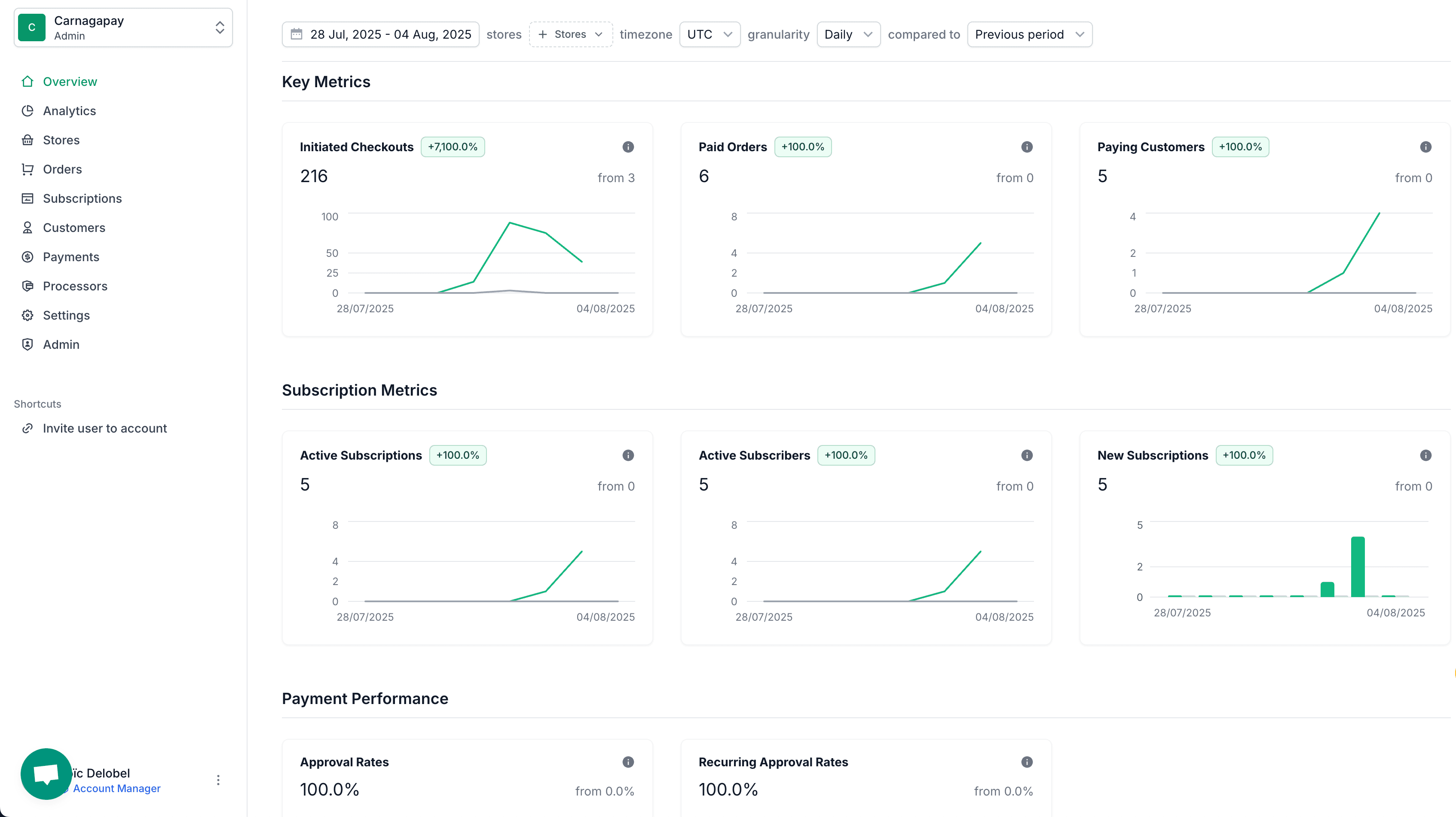
How Tagada helps
Server-side tracking and checkout for supplement ads
- TagadaPay lists "Supplements / nutra" among its industries; each file is underwritten, with enhanced review on regulated verticals
- Server-side tracking to Meta, Google and TikTok from the checkout
- One-page checkout with one-click upsells, order bumps and A/B tests
- Subscriptions with trials, billing cycles, retries and automatic recovery
Plans are on the pricing page.
Frequently asked questions
Can you advertise supplements on Facebook and Instagram?
Does Google Ads allow supplements?
Can I run supplement ads on TikTok?
Can my ads get my merchant account closed?
Sources
Checked October 26, 2026- Meta Advertising Standards, Health and wellness, change log entry July 22, 2026
- Meta Advertising Standards, unsafe substances, read October 9, 2026
- Meta Advertising Standards, Privacy violations and personal attributes, read October 26, 2026
- Google Ads policy, Healthcare and medicines, read October 26, 2026
- TikTok Ads Policy, Weight management and body image, updated September 2026
- FTC, Health Products Compliance Guidance, December 2022
- 16 CFR 255.1(d), Consumer endorsements
- 21 CFR 101.93, Certain types of statements for dietary supplements
- Stripe, Restricted and prohibited businesses, updated September 22, 2026
- FTC, Enforcement policy statement on deceptively formatted advertisements, December 22, 2015
TagadaPay
Ads that pass review, an account that stays open
Tell us what you sell and how you sell it. Each application is underwritten, and approval is not guaranteed.
- 01Tell us what you sell and how
- 02Underwriting reviews your business
- 03Process through TagadaPay alongside your other processors