
Meta and TikTok Ads for Supplement Brands: Setup and Tracking
What Meta and TikTok allow for supplement ads, the copy that gets rejected, and how to track purchases under health data restrictions.



Article summary
TL;DR
You can advertise supplements on Meta and TikTok, with limits. Weight loss and weight gain ads must target people 18 and older, ads cannot claim to cure a condition or imply the viewer has one, and before-and-after body images are restricted. Meta can also limit purchase tracking for health advertisers, so send events from your server as well as the pixel.
- Meta allows supplement and weight loss ads for adults only (18+) and bans claims to "cure, heal, or eliminate" a condition.
- Meta bans ads that assert or imply a viewer's "physical or mental health (including medical conditions)".
- TikTok allows weight loss supplements in the US for 18+ audiences, without "exaggerated or harmful" claims (policy updated September 2026).
- Meta can restrict purchase events for health and wellness advertisers, as reported by Stape.
- Meta recommends running its Conversions API alongside the pixel, deduplicated with a shared event ID.
 ChatGPT
 Claude
 Perplexity
 Grok
On this page
This guide is part of our playbook on the best ecommerce platform for supplement brands. The tracking setup itself is detailed in server-side tracking for supplement brands.
Meta vs. TikTok: the rules side by side
Both platforms allow supplements. Both restrict weight-related products and health claims.
Sources: Meta Advertising Standards (health and wellness change log, July 22, 2026) and TikTok Ads Policy (September 2026).
Fig. 1What both platforms accept, and what both reject
Allowed on Meta and TikTok
- Supplement ads, except "unsafe substances, products or supplements" on Meta
- Weight-related products, targeted to 18+
- Results framed with diet, exercise or a healthy lifestyle
- Landing pages whose products match the ad
Rejected on both
- Claims to "cure, heal, or eliminate" a condition
- Easy, guaranteed or set-time results
- Body shaming and statements of inferiority about appearance
- Implying the viewer's health condition (Meta; body image rules on TikTok)
Same lines on Meta and TikTok: adults only, no cures, no shaming.
Copy and creative that get rejected
Most rejections come from a few patterns. Rewrite them before you submit.
| Avoid | Why | Write instead |
|---|---|---|
| "Struggling with anxiety?" | Implies the viewer's health condition2Meta Advertising Standards, Privacy violations and personal attributes, read October 26, 2026 | "A magnesium blend for evening routines" |
| "Lose 10 lbs in 2 weeks" | Specific outcome in a set time1Meta Advertising Standards, Health and wellness, change log entry July 22, 2026 | "Supports your weight management goals with diet and exercise" |
| "Cures joint pain" | Claim to cure1Meta Advertising Standards, Health and wellness, change log entry July 22, 2026, and a drug claim under FDA rules721 CFR 101.93, Certain types of statements for dietary supplements | A structure/function claim with the FDA statement |
| Before-and-after body photos | RestrictedBody image content1Meta Advertising Standards, Health and wellness, change log entry July 22, 2026 | Product, routine or lifestyle visuals |
| "No diet, no gym, it just works" | Results without diet or exercise4TikTok Ads Policy, Weight management and body image, updated September 2026 | Results framed with a healthy lifestyle |
| Fake news-style pages | Deceptive format | A page that reads as your brand's ad |
Watch out
A claim that passes ad review can still be a problem elsewhere. The FTC asks for "competent and reliable scientific evidence" for health claims, and the FDA disclaimer "won't cure an otherwise deceptive ad"8FTC, Health Products Compliance Guidance, December 2022.
The landing page is reviewed too
Ad platforms look past the ad: Meta's review can cover the destination, and the products on the landing page must match the ad9Meta, Ads review policy guidelines, read October 26, 2026. A clean ad sending traffic to a page full of cure claims gets rejected, or gets the ad account restricted.
- Match the claims. The page should not promise more than the ad.
- Show the FDA statement next to structure/function claims: "This statement has not been evaluated by the Food and Drug Administration…"721 CFR 101.93, Certain types of statements for dietary supplements.
- Keep testimonials typical. Reviews that promise dramatic results raise the same issues as your own claims.
- Make it clear it is your brand's page, with your name, contact details and policies.
Match the claims
The page promises no more than the ad.
FDA statement
Next to every structure/function claim.
Typical testimonials
No reviews that promise dramatic results.
Your brand's page
Name, contact details and policies, visible.
Building compliant pages: the supplement sales funnel and landing pages for supplement brands.
Tracking under health data restrictions
Even with compliant ads, Meta may not receive all your purchase data.
- What happens: Meta can restrict lower-funnel events, such as purchases and checkouts, for health and wellness advertisers, as reported by Stape6Stape, on Meta's health and wellness data restrictions, March 3, 2026 (secondary source).
- What it costs: campaigns optimize on less data, and reports show fewer sales than your store records.
- How to check: compare orders in your store with purchases reported in Ads Manager over the same days.
- Ads Manager shows fewer purchases than your storeMeta may be restricting lower-funnel events for health and wellness advertisers.Compare store orders with Ads Manager over the same days.
- Campaigns optimize on less dataFewer purchase events reach Meta.Send the events you are allowed to send, from your server.
- Store orders and reported purchases matchTracking is complete.Keep comparing store orders with Ads Manager.
The fix is not to hide what you sell. It is to send the events you are allowed to send, completely, from your server.
Pixel plus Conversions API
Meta recommends implementing the Conversions API alongside the pixel, as a redundant setup5Meta for Developers, Deduplicate Pixel and server events, read October 26, 2026.
| Element | What it does | Key setting |
|---|---|---|
| Pixel | Sends events from the browser | Fires on page view, add to cart, checkout, purchase |
| Conversions API | Sends the same events from your server | Not blocked by browsers or ad blockers |
| Deduplication | Stops Meta from counting a purchase twice | Same event name and same event ID in both5Meta for Developers, Deduplicate Pixel and server events, read October 26, 2026 |
Fig. 2Two senders, one purchase
Same event name, same event ID: Meta keeps one.
TikTok and Google have their own server-side APIs. The same principle applies: send from the server, deduplicate with the browser event.
Setup checklist
Run this before you scale spend.
- Ad account verified, business details complete.
- Audience set to 18+ for any weight-related product1Meta Advertising Standards, Health and wellness, change log entry July 22, 20264TikTok Ads Policy, Weight management and body image, updated September 2026.
- Ad copy checked against the "avoid" list above.
- Landing page claims match the ad, with the FDA statement.
- Pixel and Conversions API both firing on purchase, with the same event ID.
- Orders in the store compared with purchases in Ads Manager after the first week.
- A second offer and creative ready, in case one is rejected.
Ages, claims and deduplication come from the Meta and TikTok policies cited above.
What to measure
Platform reports are a starting point. Your store's orders are the truth.
| Metric | Where | Watch for |
|---|---|---|
| Purchases reported vs. store orders | Ads Manager vs. store | A growing gap means tracking loss |
| Cost per purchase (store orders) | Ad spend ÷ store orders from paid | The real CAC, not the reported one |
| Ad rejection rate | Account quality | Patterns in rejected copy |
| New customer share | Store orders | Ads that only reach past buyers |
Attribution across channels: ad attribution for supplement brands. Cost targets: LTV and CAC for a supplement brand.
How Tagada helps
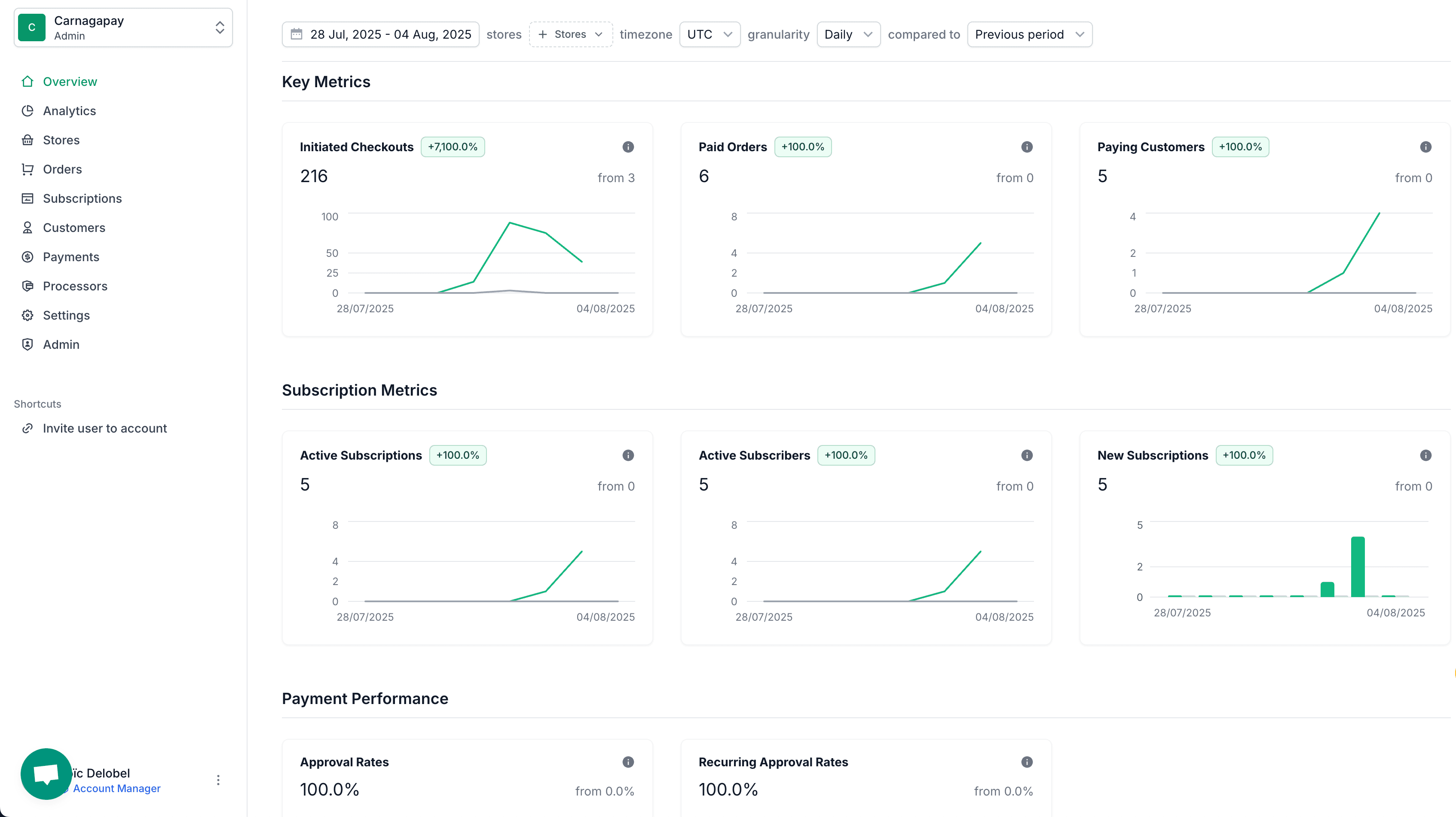
Purchases sent from the server, from the checkout your ads land on
- Server-side tracking: purchase and checkout events sent from the server to Meta, Google and TikTok
- Checkout: one-page checkout with Apple Pay and Google Pay, for mobile ad traffic
- Order value: order bumps and one-click upsells, which raise the budget you can spend per customer
- Testing: A/B tests on offers and checkout pages
Plans are on the pricing page.
Frequently asked questions
Can you run Facebook ads for supplements?
Why was my supplement ad rejected?
Can I advertise supplements on TikTok?
How do Meta's health and wellness restrictions affect tracking?
Do I need the Conversions API for supplement ads?
Sources
Checked October 26, 2026- Meta Advertising Standards, Health and wellness, change log entry July 22, 2026
- Meta Advertising Standards, Privacy violations and personal attributes, read October 26, 2026
- Meta Advertising Standards, unsafe substances, read October 9, 2026
- TikTok Ads Policy, Weight management and body image, updated September 2026
- Meta for Developers, Deduplicate Pixel and server events, read October 26, 2026
- Stape, on Meta's health and wellness data restrictions, March 3, 2026 (secondary source)
- 21 CFR 101.93, Certain types of statements for dietary supplements
- FTC, Health Products Compliance Guidance, December 2022
- Meta, Ads review policy guidelines, read October 26, 2026
Tagada
Get supplement ads approved and every purchase counted
Funnels, one-click upsells, subscription billing and payment routing, on one customer record.
- 01Create your free account
- 02Connect your store or build a checkout
- 03Launch funnels, upsells and subscriptions