
Who Can Own a Telehealth Company, and Which Licenses Do You Need?
Who can own a telehealth practice, the MSO model, the licenses clinicians need by state, and what your payment processor checks before approval.

Article summary
TL;DR
Anyone can own the brand, the software and a management company. In states with the corporate practice of medicine doctrine, only licensed physicians can own the medical practice, so most founders pair a physician-owned practice with a management services organization (MSO). Clinicians need a license in each patient's state, and your processor will ask for license numbers.
- Under the usual model, a physician owns the professional corporation and the founder owns the MSO; one California firm writes that "the physician owns at least 51%".
- The FSMB's model policy places the practice of medicine where the patient is, so the clinician needs that state's license.
- The Interstate Medical Licensure Compact covers 44 states, the District of Columbia and Guam; it speeds up state licenses, it is not a national license.
- Oregon's SB 951, signed June 9, 2025, bars MSOs from having final say over "setting policies for billing and collection" and "setting prices".
- Stripe says telemedicine applicants "typically need to provide items such as license numbers and information on your processes".
 ChatGPT
 Claude
 Perplexity
 Grok
On this page
This guide is part of our hub on telehealth payment processing. The general guide, for any business: how merchant account approval works.
This page explains the rules so you can talk to your lawyer and your processor with the right vocabulary. It is not legal advice: the structure itself belongs with a healthcare attorney in each state you serve.
Who can own what in a telehealth business
The answer depends on which entity you mean. A telehealth brand is usually three or four legal pieces, and the ownership rules apply to only one of them.
Fig. 1One patient, four legal pieces
approved declined or closed routing step
- PatientFinds the brand
- throughBrandName, domain, ads; run by the MSO
- consultationMedical practicePhysician-owned PC, clinical decisions
- prescriptionPharmacyDispenses and ships the medicationApproved
The MSO runs brand, technology and billing support under a management agreement with the practice.
The doctrine is a state rule, and it varies a lot. Some states enforce it strictly, others barely at all1Bay Legal, Telehealth business structure in California: corporate and compliance requirements, read November 2, 2026 (secondary source). A multi-state brand typically ends up with a physician-owned practice in each strict state1Bay Legal, Telehealth business structure in California: corporate and compliance requirements, read November 2, 2026 (secondary source).
Watch out
A practice owned by a physician on paper, with the MSO deciding everything, is what recent laws aim at. Who sets prices, who controls billing and who decides clinical protocols are the questions they ask (next section)7Foley & Lardner, Oregon's new corporate practice of medicine restrictions, June 2025 (secondary source)9McDermott Will & Schulte, client alert on HR 10444, October 1, 2026 (secondary source).
If you'd rather not assemble the practice, clinicians and pharmacy yourself, some brands launch on a telehealth stack with storefront, doctors, pharmacy and payments and keep only the brand and the ads.
The licenses a telehealth brand needs
Licenses attach to people and to the practice, not to the website. Here is what a processor or a platform will expect to exist before you treat a patient.
Watch out
As of November 2, 2026, the DEA's temporary telemedicine flexibilities for controlled substances run through December 31, 20266DEA and HHS, Fourth Temporary Extension of COVID-19 Telemedicine Flexibilities for Prescription of Controlled Medications, 90 FR 61301, December 31, 2025. No permanent rule had been published on that date. Check the Federal Register before you rely on them.
State-by-state differences in licensing are covered in telehealth laws by state.
The rules are tightening in 2025 and 2026
Three recent texts move in the same direction: less control for non-physician owners over money and medicine.
Fig. 2Three texts, five dates
- June 9, 2025Oregon SB 951 signed
- October 6, 2025California SB 351 signed
- January 1, 2026California in force; Oregon for new PCs and MSOs
- September 16, 2026HR 10444 introduced, not passed
- January 1, 2029Oregon for existing PCs and MSOs
Oregon applies first to new entities, then to existing ones.
| Text | Status | What it changes |
|---|---|---|
| Oregon SB 951 | Signed June 9, 2025; applies from January 1, 2026 to newly formed PCs and MSOs, and from January 1, 2029 to existing ones7Foley & Lardner, Oregon's new corporate practice of medicine restrictions, June 2025 (secondary source) | MSOs can't hold final authority over billing and collection policies, prices or payer contracts; limits on shared officers and ownership7Foley & Lardner, Oregon's new corporate practice of medicine restrictions, June 2025 (secondary source) |
| California SB 351 | Signed October 6, 2025; in force January 1, 20268Foley & Lardner, California SB 351 Signed: Limits on Private Equity Management of Medical Practices, October 2025 (secondary source) | Private equity and hedge funds involved with a practice can't interfere with clinical judgment, with limits on their control over billing and coding8Foley & Lardner, California SB 351 Signed: Limits on Private Equity Management of Medical Practices, October 2025 (secondary source) |
| HR 10444, Stop Corporate Takeovers of Physicians Act of 2026 | Introduced September 16, 2026; not passed9McDermott Will & Schulte, client alert on HR 10444, October 1, 2026 (secondary source) | Would create a federal ban on the corporate practice of medicine and limit MSO control over billing and payer contracting9McDermott Will & Schulte, client alert on HR 10444, October 1, 2026 (secondary source) |
Oregon's law includes a telemedicine exception for entities with no Oregon patient-care location, as summarized by Foley7Foley & Lardner, Oregon's new corporate practice of medicine restrictions, June 2025 (secondary source). Read it with counsel: exceptions are narrow.
What your payment processor sees
Your processor underwrites one legal entity. It wants that entity's documents to match what the patient sees at checkout.
Stripe restricts "Telemedicine and telehealth services" and reviews each case: applicants "typically need to provide items such as license numbers and information on your processes"10Stripe Support, Prohibited and restricted businesses list FAQs, read November 2, 2026. Other processors ask for the same kind of file.
Before you apply, decide and document:
Which entity is the merchant
The practice, the MSO collecting on its behalf, or a platform. One firm notes that routing all customer payments through the MSO has become common2Offit Kurman (Michael Cohen), Can an MSO operate a medical practice?, June 9, 2022 (secondary source); in Oregon, the practice must keep final say over billing and collection policies7Foley & Lardner, Oregon's new corporate practice of medicine restrictions, June 2025 (secondary source).
The license list
Clinician names, license numbers and states covered, matching the states you sell to.
The management agreement
Underwriters may ask who provides care and who gets paid for what.
A consistent descriptor and site
The company name in your terms, on the receipt and on the card statement should match the merchant on file.
What you sell
A consult, a membership or the medication itself: each can change the merchant code and the review. See consultation and medication billing.
Your approval file is covered step by step in how to get a telehealth merchant account approved.
How Tagada helps
Payments for the structure you choose
TagadaPay runs "enhanced review for regulated verticals"13TagadaPay, homepage, read November 2, 2026: each file is still underwritten, whatever the structure behind the brand.
- Fraud and security: "Native 3DS2, device intelligence, and rules engine: approve real customers, block the rest"
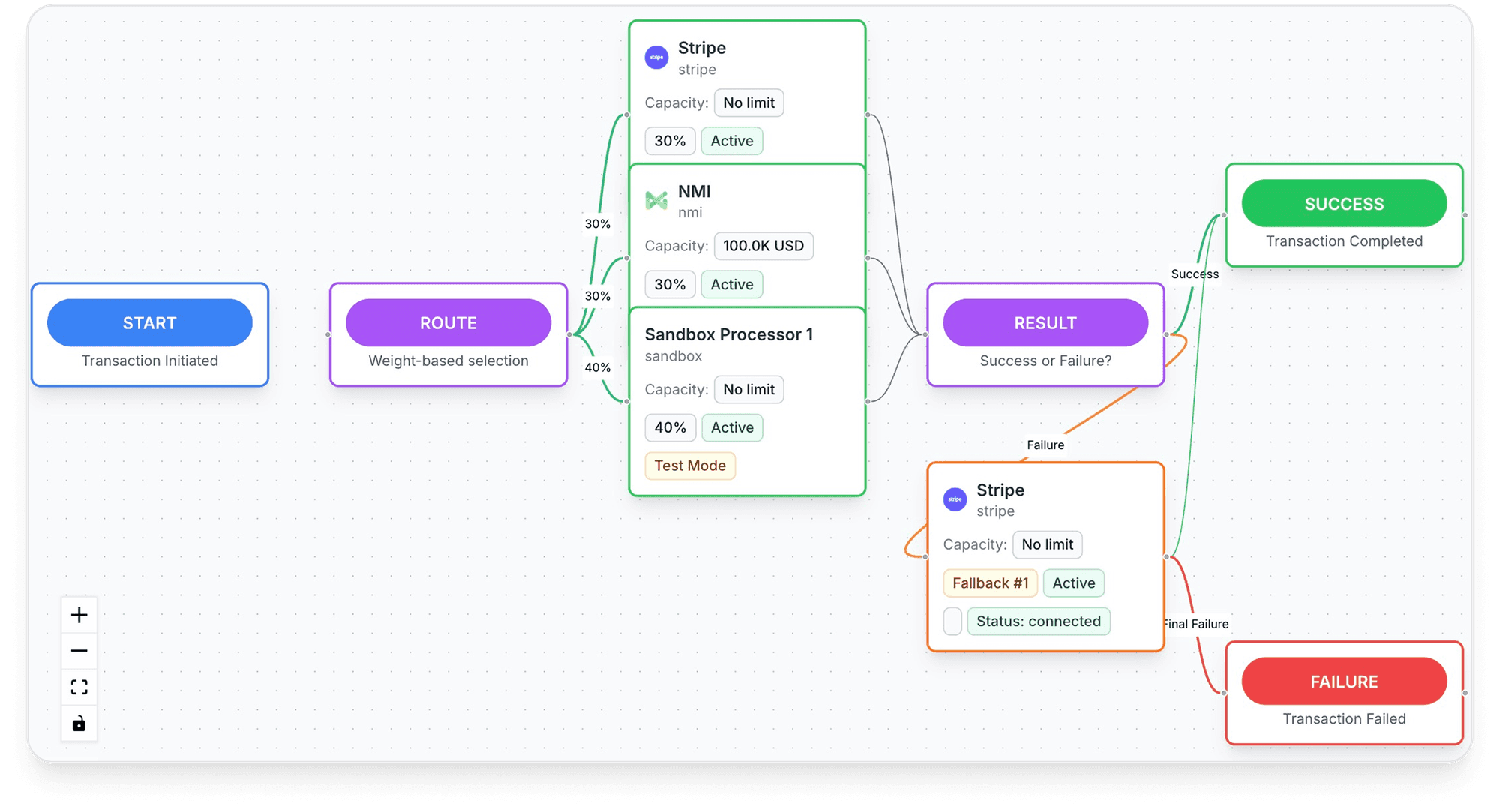
- Routing across TagadaPay and processors such as Stripe, NMI and Airwallex, with a cascade to another processor when one is down or times out
- Your vault, portable: "Switch processors without re-onboarding customers"
Tagada follows Visa and Mastercard rules and the laws that apply to payments.
On the operations side: the telehealth tech stack. Don't want to build the clinical side? Tagada Rx brings clinicians "licensed in the patient's state" and a licensed US pharmacy11Tagada, Tagada Rx, read November 2, 2026; in its "Merchant of Record" mode, Tagada is the seller of record12Tagada docs, Rx operating modes, read November 2, 2026. US patients only, by selection.
Frequently asked questions
Can a non-physician own a telehealth company?
What licenses do I need to start a telehealth business?
Is there a national telehealth license?
Can the MSO collect patient payments?
Does my processor check clinician licenses?
Sources
Checked November 2, 2026- Bay Legal, Telehealth business structure in California: corporate and compliance requirements, read November 2, 2026 (secondary source)
- Offit Kurman (Michael Cohen), Can an MSO operate a medical practice?, June 9, 2022 (secondary source)
- Federation of State Medical Boards, Model Policy for the Appropriate Use of Telemedicine Technologies, 2014, as summarized by the AMA and McGuireWoods (secondary source)
- Interstate Medical Licensure Compact Commission, A faster pathway to physician licensure, read November 3, 2026
- 21 U.S.C. § 829(e)
- DEA and HHS, Fourth Temporary Extension of COVID-19 Telemedicine Flexibilities for Prescription of Controlled Medications, 90 FR 61301, December 31, 2025
- Foley & Lardner, Oregon's new corporate practice of medicine restrictions, June 2025 (secondary source)
- Foley & Lardner, California SB 351 Signed: Limits on Private Equity Management of Medical Practices, October 2025 (secondary source)
- McDermott Will & Schulte, client alert on HR 10444, October 1, 2026 (secondary source)
- Stripe Support, Prohibited and restricted businesses list FAQs, read November 2, 2026
- Tagada, Tagada Rx, read November 2, 2026
- Tagada docs, Rx operating modes, read November 2, 2026
- TagadaPay, homepage, read November 2, 2026
TagadaPay
Make your merchant file match your structure
Tell us what you sell and how you sell it. Each application is underwritten, and approval is not guaranteed.
- 01Tell us what you sell and how
- 02Underwriting reviews your business
- 03Process through TagadaPay alongside your other processors