
Consultation and Medication: Should Your Telehealth Brand Charge Them Separately?
Should a telehealth brand charge the consultation and the medication on one account or two? MCCs, Visa and Mastercard rules, Stripe and HSA/FSA.

Article summary
TL;DR
Usually, yes. The consultation is a medical service (Visa MCC 8011 or 8099); the medication is a pharmacy sale (MCC 5912), and only the pharmacy sale falls under Visa's and Mastercard's high-risk registration rules. Most telehealth brands charge the visit or membership themselves and let a licensed pharmacy, or a platform acting as merchant of record, charge for the medication.
- Visa lists pharmacies (MCC 5122 and 5912) in Tier 1 of its Integrity Risk Program; telemedicine is in no tier.
- Mastercard requires registration of "Non–face-to-face pharmaceutical Merchants", not of telemedicine providers (August 4, 2026 edition).
- Stripe's main FAQ answers "Maybe" on selling medication; its Express FAQ says "In general, no" (both read November 2, 2026).
- Since September 1, 2026, SIGIS says direct-to-consumer brands with their own pharmacy must keep "the medical consultation" separate "from prescription fees" for HSA/FSA cards.
 ChatGPT
 Claude
 Perplexity
 Grok
On this page
This guide is part of our hub on telehealth payment processing. The general guide, for any business: running more than one merchant account.
This page is about the telehealth brand: the visit, the prescription and the treatment plan. If you are the pharmacy, see online pharmacy payment processing.
Four ways to bill a telehealth visit and the medication
There are four common setups. What changes between them is who sells the medication, and therefore who carries the pharmacy rules.
| Model | Who is the merchant for the medication | Likely MCC for the brand | What it means for you |
|---|---|---|---|
| 1. Consult only, patient pays the pharmacy | The pharmacy the patient picks | 8011 or 80991Visa, Merchant Data Standards Manual, October 2026 | Simplest account. Push Health, for example, says its fee "does not cover the cost of the medication"9Push Health Support, What does the Push Health fee cover?, read November 2, 2026 |
| 2. Brand charges both on one account | The brand | Can move toward 59121Visa, Merchant Data Standards Manual, October 2026 | Pharmacy rules apply to your whole account2Visa, Visa Integrity Risk Program guide for acquirers, April 6, 2023, sections 1.2 and 1.43Mastercard, Security Rules and Procedures, Merchant Edition, August 4, 2026, section 9.4 |
| 3. Two merchants: brand charges the visit or membership, a partner pharmacy charges the medication | The pharmacy | 8011 or 8099 | Two charges, two descriptors to explain at checkout |
| 4. Platform as merchant of record for the regulated sale | The platform | Set by the platform | You run the brand; the platform carries the regulated relationship |
Fig. 1Four ways the patient's money can flow
- 1. Consult onlyBrand on 8011 or 8099; the patient pays the pharmacy
- 2. Brand charges bothOne account that can move toward 5912
- 3. Two merchantsBrand charges the visit, a partner pharmacy the medication
- 4. Platform as merchant of recordMCC set by the platform
What changes is who sells the medication.
The merchant code isn't your choice. As SIGIS puts it, the acquirer assigns the MCC "according to card network rules"8SIGIS, IIAS certification for telehealth merchants, September 1, 2026. If your main business becomes selling medication, expect the pharmacy code.
Why the medication changes your card rules
The card networks have no telemedicine category. Their high-risk rules start when the merchant sells prescription drugs at a distance.
| Consultation, membership | Medication sold card-not-present | |
|---|---|---|
| Visa MCC | 8011 "Doctors and Physicians", 8099 "Medical Services and Health Practitioners"1Visa, Merchant Data Standards Manual, October 2026 | 5912 "Drug Stores and Pharmacies"1Visa, Merchant Data Standards Manual, October 2026 |
| Visa Integrity Risk Program | Not listed2Visa, Visa Integrity Risk Program guide for acquirers, April 6, 2023, sections 1.2 and 1.4 | Tier 1: registration with Visa before processing2Visa, Visa Integrity Risk Program guide for acquirers, April 6, 2023, sections 1.2 and 1.4 |
| Visa exemption | Not needed | NoRegistration if accredited by NABP or LegitScript's Healthcare Merchant Certification2Visa, Visa Integrity Risk Program guide for acquirers, April 6, 2023, sections 1.2 and 1.4 |
| Mastercard | NoCategory | Registration as a "Non–face-to-face pharmaceutical Merchant"; acquirer must verify legality, at least every 12 months3Mastercard, Security Rules and Procedures, Merchant Edition, August 4, 2026, section 9.4 |
Mastercard defines the sale as a purchase of "prescription medicines from a Merchant whose primary business is non-face-to-face selling of prescription drugs"3Mastercard, Security Rules and Procedures, Merchant Edition, August 4, 2026, section 9.4. A brand that only charges for the visit doesn't fit that definition.
Fig. 2One account or two merchants
Brand charges both
- CheckoutVisit and medication
- charged onBrand accountCan move toward 5912Declined
Pharmacy rules apply to your whole account
Two merchants
- CheckoutTwo lines, two descriptors
- visit toBrandVisit or membership, 8011 or 8099Approved
- medication toPartner pharmacyMedication, pharmacy rulesApproved
The brand stays on a medical code
Selling the drug is what brings in the pharmacy rules.
Tagada follows Visa and Mastercard rules and the laws that apply to payments.
What processors say about selling the medication
Mainstream processors accept telemedicine with review. Selling the drug is where they hesitate.
| Processor | Telemedicine | Selling the medication |
|---|---|---|
| Stripe | Restricted"Telemedicine and telehealth services"4Stripe, Prohibited and restricted businesses, read November 2, 2026 | Main FAQ: "Maybe, this is a highly regulated industry"; pharmacies approved only in the US, Canada, the EU, Australia, the UK and Japan. Express FAQ: "In general, no. Payments for prescription medicines will need to occur outside Stripe."5Stripe Support, Prohibited and restricted businesses list FAQs, main and Express versions, read November 2, 2026 |
| Square (US) | Not supported where medication follows a remote consult | Excludes pharmacies "where fulfillment of medication is performed with an internet or telephone consultation, absent a physical visit"6Square, General Terms of Service, payment terms, section 3, updated July 30, 2026 |
| Shopify Payments | Not named | "prescription drugs" listed among products that "require regulatory approval or compliance"7Shopify Help Center, Shopify Payments eligibility, read November 2, 2026 |
Watch out
The two Stripe answers differ. Plan for the stricter one: if you sell medication, expect it to need a pharmacy-ready processor or a separate partner.
Processor by processor: does Stripe allow telehealth? and PayPal and Square for telehealth.
HSA and FSA cards: another reason to split
Health savings and flexible spending cards add their own logic. SIGIS, which runs the IIAS standard behind those cards, opened its certification to telehealth merchants on September 1, 20268SIGIS, IIAS certification for telehealth merchants, September 1, 2026.
Brands with their own pharmacy
"The medical consultation must be separate from prescription fees"8SIGIS, IIAS certification for telehealth merchants, September 1, 2026.
Medical MCC
"If a telehealth merchant is operating under a medical MCC they are not required to implement IIAS capability"8SIGIS, IIAS certification for telehealth merchants, September 1, 2026.
Pharmacy MCC
IIAS capability is required, and only prescription and eligible over-the-counter costs can run through it8SIGIS, IIAS certification for telehealth merchants, September 1, 2026.
Pharmacy Times reports that some operators use separate merchant accounts for "professional medical services" and "product fulfillment" for the same reason10Pharmacy Times, Payment processing and compliance in telehealth: what 2026 will demand, January 30, 2026 (secondary source).
How to set up a split checkout
If you charge the visit and a partner charges the medication, the patient sees two charges. Make both obvious before the card field.
- Show two lines: the visit or membership price, and the medication price with who charges it.
- Name both merchants and the descriptor each charge will carry.
- Charge the medication only after a prescription. Authorize, then capture on approval: see prescription-gated checkout.
- Release the hold if the clinician declines, and say so in your terms.
- Keep medical details off the payment data: no treatment in descriptors or product names. See HIPAA and your payment processor.
- Bill recurring plans by the rules: telehealth subscriptions.
The patient sees two charges: make both obvious before the card field.
How Tagada helps
One payment layer for consult and medication charges
TagadaPay runs "enhanced review for regulated verticals"13TagadaPay, homepage, read November 2, 2026: each file is still underwritten. On the payment side:
- Fraud and security: "Native 3DS2, device intelligence, and rules engine: approve real customers, block the rest"
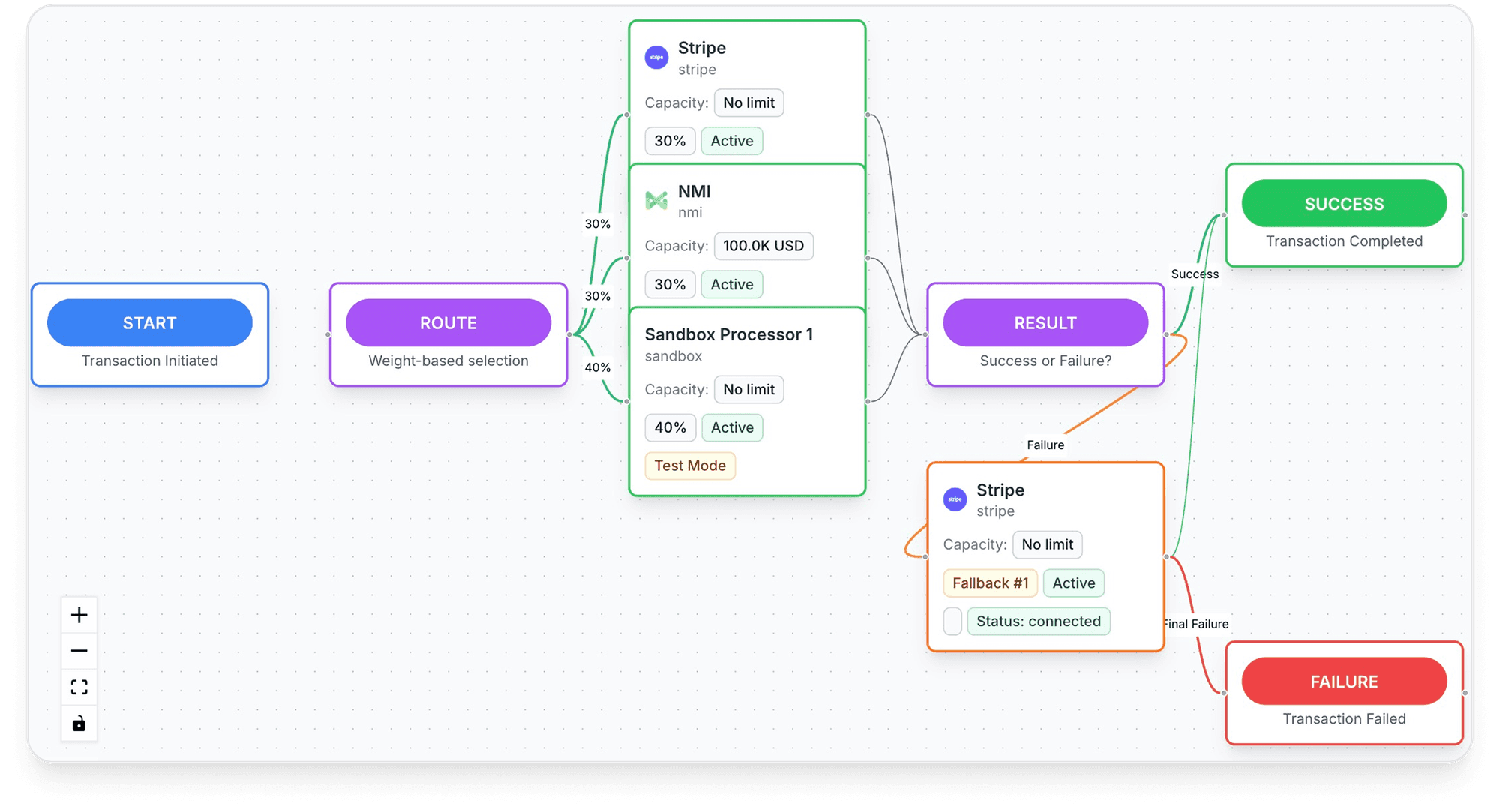
- Routing across TagadaPay and processors such as Stripe, NMI and Airwallex, with a cascade to another processor when one is down or times out
- Your vault, portable: "Switch processors without re-onboarding customers"
The operations side: subscriptions for telehealth companies. Building the whole brand? In the "Merchant of Record" mode of Tagada Rx, "Tagada carries the regulated relationship"11Tagada docs, Rx introduction and operating modes, read November 2, 2026, and "the card is only captured once a doctor approves"12Tagada, Tagada Rx, read November 2, 2026. US patients only, by selection.
Frequently asked questions
Can a telehealth company charge for both the visit and the medication?
What MCC does a telehealth company use?
Does Stripe let a telehealth brand sell prescription medication?
Can patients pay with HSA or FSA cards?
Do two charges hurt conversion?
Sources
Checked November 2, 2026- Visa, Merchant Data Standards Manual, October 2026
- Visa, Visa Integrity Risk Program guide for acquirers, April 6, 2023, sections 1.2 and 1.4
- Mastercard, Security Rules and Procedures, Merchant Edition, August 4, 2026, section 9.4
- Stripe, Prohibited and restricted businesses, read November 2, 2026
- Stripe Support, Prohibited and restricted businesses list FAQs, main and Express versions, read November 2, 2026
- Square, General Terms of Service, payment terms, section 3, updated July 30, 2026
- Shopify Help Center, Shopify Payments eligibility, read November 2, 2026
- SIGIS, IIAS certification for telehealth merchants, September 1, 2026
- Push Health Support, What does the Push Health fee cover?, read November 2, 2026
- Pharmacy Times, Payment processing and compliance in telehealth: what 2026 will demand, January 30, 2026 (secondary source)
- Tagada docs, Rx introduction and operating modes, read November 2, 2026
- Tagada, Tagada Rx, read November 2, 2026
- TagadaPay, homepage, read November 2, 2026
TagadaPay
Bill the visit and the medication without mixing the rules
Tell us what you sell and how you sell it. Each application is underwritten, and approval is not guaranteed.
- 01Tell us what you sell and how
- 02Underwriting reviews your business
- 03Process through TagadaPay alongside your other processors