
Telehealth Processing Fees and Reserves
What telehealth brands pay to process cards: published rates, fees beyond the rate, rolling reserves and fund holds, with a worked example.



Article summary
TL;DR
There is no public telehealth price list. Aggregators charge their standard rate (Stripe: 2.9% + 30¢ per domestic card), but restrict telemedicine and can hold funds. Specialized processors publish higher rates plus monthly, setup and dispute fees, and often hold a rolling reserve on new accounts. Compare total cost and how much cash is held.
- Stripe's US list price is 2.9% + 30¢ per successful domestic card transaction, plus $15 per dispute (read November 2, 2026).
- Easy Pay Direct's telemedicine page shows 2.69% + $0.36, a $99 setup fee and a monthly fee of "typically $25".
- Soar Payments puts rolling reserves at "typically 5 to 10%" of processing volume.
- PayPal can hold funds "for up to 180 days"; its own reserve example is 10% held for 90 days.
- Stripe "will typically restrict or pause payouts" for 120 days when it acts for unacceptable risk.
 ChatGPT
 Claude
 Perplexity
 Grok
On this page
This guide is part of our hub on telehealth payment processing. The general guides, for any business: payment processing fees and rolling reserves.
What processors publish
Most telehealth processors don't publish a rate. PaymentCloud says fees "vary depending on processing history, payment methods, business risk levels, and other factors"5PaymentCloud, Telemedicine merchant account, read November 2, 2026. The few public numbers:
| Provider | Published price | Catch for telehealth |
|---|---|---|
| Stripe (US) | 2.9% + 30¢ per domestic card; $15 per dispute, $15 more to counter it1Stripe, Pricing (US), read November 2, 2026 | Telemedicine is restricted: approval first, revocable later |
| Shopify Payments (US) | 2.9% + 30¢ (Basic) down to 2.25% + 30¢ (Plus) online2Shopify pricing, read November 2, 2026 | Runs on its processors' restricted lists |
| Shopify with a third-party processor | 2% (Basic), 1% (Grow), 0.6% (Advanced), 0.2% (Plus) on top of the processor2Shopify pricing, read November 2, 2026 | Common when Shopify Payments won't take you |
| Easy Pay Direct (dedicated account) | 2.69% + $0.36; $99 setup; monthly "typically $25"3Easy Pay Direct, Telemedicine merchant accounts, read November 2, 2026 | Published on its telemedicine page; final terms after underwriting |
Read November 2, 2026. Processors' own figures, not Tagada's.
Fig. 1Shopify's fee on orders paid through a third-party processor
On top of what the processor charges.
Fees beyond the rate
Adaptiv Payments lists what to check besides the percentage: "monthly, PCI, gateway, chargeback and annual fees", plus the per-transaction charge4Adaptiv Payments, The 7 best telehealth merchant account providers in 2026, February 4, 2026.
| Fee | What it is | Watch for |
|---|---|---|
| Per-transaction fee | Fixed cents on each charge | Weighs more on low-price memberships |
| Monthly and gateway fees | Account and gateway access | Charged even in slow months |
| Setup or application fee | One-time | Sometimes waived; ask |
| Dispute fee | Per chargeback received | $15 at Stripe, more to counter1Stripe, Pricing (US), read November 2, 2026 |
| Network program fees | Visa charges fees per dispute or fraud report at VAMP's "Excessive" level, $8 each per Chargeback Gurus12Chargeback Gurus, Visa Acquirer Monitoring Program (VAMP), read November 3, 2026 (secondary source)13Visa, Acquirer Monitoring Program fact sheet, 2025 | Passed on by the acquirer |
| Registration | Mastercard requires registration of non-face-to-face pharmaceutical merchants11Mastercard Security Rules and Procedures, Merchant Edition, August 4, 2026 | Only if you sell the medication; ask whether a registration fee is passed on |
| Early termination | Fee to leave a contract early | Adaptiv flags it for several providers4Adaptiv Payments, The 7 best telehealth merchant account providers in 2026, February 4, 2026 |
Tagada follows Visa and Mastercard rules and the laws that apply to payments.
Reserves and holds
A reserve is money the processor keeps back from your payouts to cover refunds and disputes. On a subscription business, it can be your margin for months.
| Who | What the terms say |
|---|---|
| Specialized processors | Rolling reserve "typically 5 to 10%" of volume (Soar Payments)10SoarPay, Merchant account FAQ, read November 3, 2026; "possible rolling reserves while the account is new" (Adaptiv on one provider)4Adaptiv Payments, The 7 best telehealth merchant account providers in 2026, February 4, 2026 |
| Stripe | A hold for "a predetermined period of time"; "in some rare cases, a reserve may be required indefinitely"7Stripe Support, Reserves: frequently asked questions, read October 26, 2026. For unacceptable risk, payouts paused "typically" 120 days from the first email6Stripe, Unacceptable Risk Policy, last updated July 29, 2026 |
| PayPal | Funds held "for up to 180 days" if needed against liability or after a policy breach; example reserve "10% and held for a 90-day rolling period"8PayPal, User Agreement (US), last updated September 14, 2026 |
| Square | "We may require a Reserve for any reason related to your use of the Services"; it "may be raised, reduced or removed"9Square, Payment Terms (US), updated July 30, 2026 |
5 to 10%
Rolling reserve Soar Payments publishes as typical
120 days
Stripe's typical payout pause for unacceptable risk
180 days
How long PayPal can hold funds
Watch out
A reserve set at approval is negotiable later, not at random. Ask what review date and which numbers (dispute ratio, refund rate, months of history) would lower or release it.
Example: what a reserve does to cash
Example
A telehealth brand processes $100,000 a month in memberships. Its processor charges 3.5% + $0.30 on 1,500 transactions and holds a 10% rolling reserve for 90 days.
- Processing cost: $3,500 + $450 = $3,950 a month.
- Reserve: $10,000 held each month. After three months, $30,000 sits with the processor at any time, released month by month after that.
- Ten disputes at $15 each add $150.
Illustrative rate and reserve, inside the ranges published above1Stripe, Pricing (US), read November 2, 202610SoarPay, Merchant account FAQ, read November 3, 2026.
Fig. 2The reserve from the example, coming back month by month
Held at steady state
$30,000
- $10,000Held until month 4Paid back month 4
- $10,000Held until month 5Paid back month 5
- $10,000Held until month 6Paid back month 6
Each month's 10% returns three months later; fees stay at $3,950 a month.
Costs specific to telehealth
- Refused prescriptions: charging at checkout and refunding later costs you the fees and invites disputes. Authorizing first and capturing after clinician approval avoids both: prescription-gated checkout.
- Selling the medication: brings pharmacy codes and registration; many brands let a licensed pharmacy charge for it, or run on a telehealth stack with storefront, doctors, pharmacy and payments: consultation vs medication.
- Renewals: failed renewals cost retries and lost patients: failed payment recovery for telehealth companies.
- Disputes: each one costs a fee and counts toward network thresholds: chargebacks for telehealth companies.
Questions to ask every processor, in writing
- Rate and per-transaction fee, by card type
- Monthly, gateway, PCI, setup and annual fees
- Dispute fee, and the fee to counter a dispute
- Reserve percentage, hold period and review date
- Payout delay: when sales reach your bank (payout timing for telehealth companies)
- Monthly volume limit and maximum ticket
- What happens to your balance and reserve if either side ends the contract
- Whether medication sales are covered, and under which code
Approval steps first: how to get a telehealth merchant account approved.
How Tagada helps
A payment layer for regulated verticals
TagadaPay runs "enhanced review for regulated verticals", with "native 3DS2, device intelligence, and rules engine"15TagadaPay, read November 2, 2026.
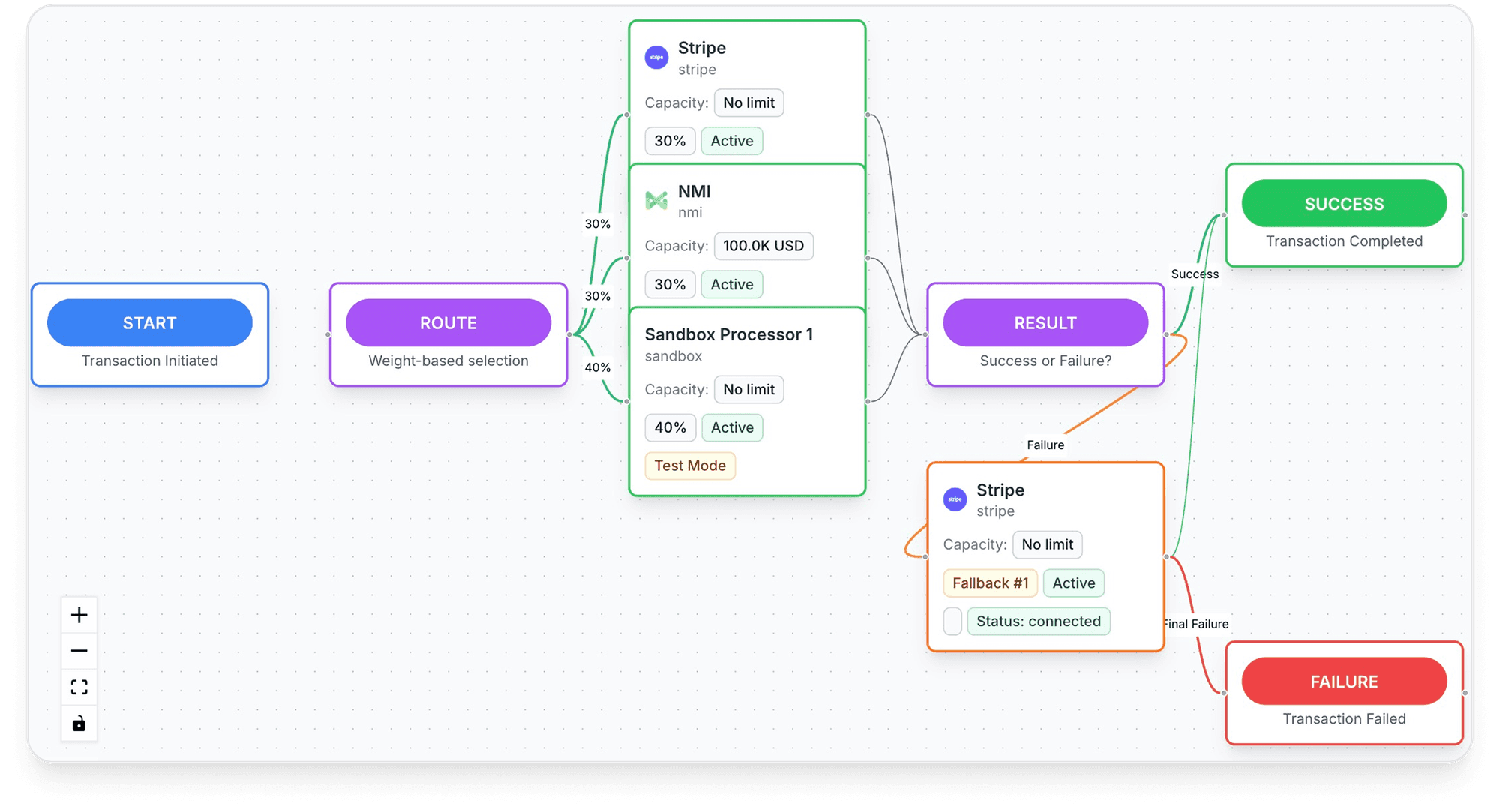
- Routing across TagadaPay and processors such as Stripe, NMI and Airwallex, with a cascade to another processor when one is down or times out
- Portability: "Switch processors without re-onboarding customers. No vendor lock-in. Ever."15TagadaPay, read November 2, 2026
- Security: PCI DSS Level 1, SOC 2, ISO 27001, GDPR
- Support: "24/7 human support on Slack Connect"
Building the whole telehealth brand? With Tagada Rx, payments follow "hold · capture on approval · rebill on ship", and if the doctor declines, "the card hold is released and the patient pays nothing"14Tagada Rx, read November 2, 2026. US patients only, by selection.
Frequently asked questions
How much does a telemedicine merchant account cost?
What is a rolling reserve for a telehealth business?
How long can a processor hold my telehealth funds?
Are high-risk processing fees negotiable?
Does selling the medication cost more?
Sources
Checked November 2, 2026- Stripe, Pricing (US), read November 2, 2026
- Shopify pricing, read November 2, 2026
- Easy Pay Direct, Telemedicine merchant accounts, read November 2, 2026
- Adaptiv Payments, The 7 best telehealth merchant account providers in 2026, February 4, 2026
- PaymentCloud, Telemedicine merchant account, read November 2, 2026
- Stripe, Unacceptable Risk Policy, last updated July 29, 2026
- Stripe Support, Reserves: frequently asked questions, read October 26, 2026
- PayPal, User Agreement (US), last updated September 14, 2026
- Square, Payment Terms (US), updated July 30, 2026
- SoarPay, Merchant account FAQ, read November 3, 2026
- Mastercard Security Rules and Procedures, Merchant Edition, August 4, 2026
- Chargeback Gurus, Visa Acquirer Monitoring Program (VAMP), read November 3, 2026 (secondary source)
- Visa, Acquirer Monitoring Program fact sheet, 2025
- Tagada Rx, read November 2, 2026
- TagadaPay, read November 2, 2026
TagadaPay
Know the reserve before you sign
Tell us what you sell and how you sell it. Each application is underwritten, and approval is not guaranteed.
- 01Tell us what you sell and how
- 02Underwriting reviews your business
- 03Process through TagadaPay alongside your other processors