
Chargebacks for Telehealth Companies: Thresholds, Prevention and Alerts Setup
Visa and Mastercard chargeback thresholds for telehealth companies in 2026, why patients dispute, the reason codes, and prevention that works.

Article summary
TL;DR
Visa and Mastercard both start monitoring merchants at 1.5% in 2026: Visa adds fraud reports to disputes, Mastercard counts chargebacks against the previous month's sales. Telehealth disputes come mostly from unexpected charges: before a clinician's review, after a decline or cancellation, or under an unknown descriptor. Capture after approval, clear terms and easy cancellation prevent most.
- Visa's US merchant threshold is 1.5% of settled card-not-present transactions, fraud plus disputes, since April 1, 2026, with at least 1,500 cases a month.
- Disputes resolved through a pre-dispute solution are excluded from Visa's count.
- Mastercard's Excessive Chargeback Merchant level starts at 1.5% and 100 chargebacks; its ratio uses the previous month's transactions.
- Stripe US charges $15 when a dispute arrives, and $15 more if you respond, returned if you win.
- On July 29, 2026, the FTC alleged a telehealth company charged consumers for a prescription "without having a chance to review or approve it".
 ChatGPT
 Claude
 Perplexity
 Grok
On this page
This guide is part of our hub on telehealth payment processing. The general guide, for any business: how chargebacks work and what they cost.
The thresholds in 2026
No card network has a telehealth-specific threshold. You fall under the same programs as any card-not-present merchant, and your processor usually acts well before them.
1.5%
Visa VAMP threshold in the US since April 1, 2026
1,500
Fraud reports and disputes a month before Visa counts you
1.5% / 100
Mastercard ECM: ratio and chargebacks a month
3% / 300
Mastercard's higher tier
Example
8,000 settled orders in March, 90 disputes and 40 fraud reports. Visa ratio = 130 ÷ 8,000 = 1.6%. That's over 1.5% but under Visa's 1,500 minimum, so no Visa program. Your processor still sees 1.6%, and on a restricted business like telemedicine, Stripe's approval "may be modified or revoked by Stripe at any time"9Stripe, Prohibited and restricted businesses, read November 2, 2026.
Tagada follows Visa and Mastercard rules and the laws that apply to payments.
Why telehealth patients dispute
Most telehealth disputes start with a charge the patient didn't expect. The causes are specific to how telehealth charges.
| Cause | Typical code | Prevention |
|---|---|---|
| Charged before a clinician reviewed the case | Not as described, cancelled recurring | Authorize at checkout, capture only on approval |
| Charged after the clinician declined | Credit not processed | Release the hold automatically on a decline |
| Enrolled in a plan they didn't expect | Visa 13.2, Mastercard 48414Chargeback.io, What are subscription chargebacks?, read October 26, 2026 (secondary source) | Plan terms before the card field; consent to the recurring charge6Visa Core Rules and Visa Product and Service Rules, edition of April 18, 2026, table 5-21 |
| Cancelled, still charged | Visa 13.24Chargeback.io, What are subscription chargebacks?, read October 26, 2026 (secondary source) | Instant online cancellation, confirmation email6Visa Core Rules and Visa Product and Service Rules, edition of April 18, 2026, table 5-217Mastercard, Subscription/recurring payments and negative option billing merchants: FAQs, 2022 |
| Didn't recognize a discreet descriptor | Fraud codes | Brand name plus support contact in the descriptor, explained at checkout |
| Card used by someone else | Visa 10.45Qualpay, Visa Compelling Evidence 3.0 and April 2023 changes, read October 26, 2026 (secondary source) | 3D Secure, ID check where your offer requires it; CE 3.0 evidence5Qualpay, Visa Compelling Evidence 3.0 and April 2023 changes, read October 26, 2026 (secondary source) |
Fig. 1Where each telehealth dispute starts in a patient's journey
- CheckoutUnexpected plan: terms before the card field
- Clinician reviewAuthorize now, capture only on approval
- DeclineRelease the hold automatically
- RefillBill when the pharmacy ships
- CancellationOnline, instant, with a confirmation
Each step has its own dispute, and its own fix.
Two of these causes are at the heart of the FTC's July 2026 complaint against a telehealth company: being "charged for and subscribed to a prescription" without review, and cancellation made hard "by hiding the cancellation button"8FTC, FTC and States Act Against Hims & Hers for Deceptive and Unlawful Privacy Practices, July 29, 2026 (allegations; case ongoing). These are allegations, and the case is ongoing.
Prevention that works for telehealth
- Capture after approval. The patient pays nothing if the clinician declines: see prescription-gated checkout.
- Show the plan terms before the card field: price, frequency, next charge date, how to cancel6Visa Core Rules and Visa Product and Service Rules, edition of April 18, 2026, table 5-21.
- Send reminders before trials end (at least 7 days for Visa6Visa Core Rules and Visa Product and Service Rules, edition of April 18, 2026, table 5-21) and before charges on cycles of 6 months or less (Mastercard7Mastercard, Subscription/recurring payments and negative option billing merchants: FAQs, 2022).
- Let patients cancel online in a few clicks, with a confirmation6Visa Core Rules and Visa Product and Service Rules, edition of April 18, 2026, table 5-217Mastercard, Subscription/recurring payments and negative option billing merchants: FAQs, 2022: cancellation compliance.
- Bill refills when the pharmacy ships, not on a calendar date the patient can't link to a delivery.
- Use a descriptor patients recognize: discreet is fine, unknown isn't.
- Refund fast when a patient asks: a refund costs less than a dispute fee plus the ratio hit.
- Set up alerts to refund before a dispute is filed: chargeback alerts for telehealth companies.
Most of these fixes sit in the checkout and billing flow, not in the dispute team.
Respond or refund?
| Situation | Best move | Why |
|---|---|---|
| Alert received before a dispute | Refund | Resolved pre-disputes are excluded from Visa's count1Visa, Visa Acquirer Monitoring Program fact sheet, 2025 |
| Fraud dispute with matching IP, device and past undisputed orders | Respond with CE 3.0 evidence | Visa's 10.4 remedy5Qualpay, Visa Compelling Evidence 3.0 and April 2023 changes, read October 26, 2026 (secondary source) |
| Cancelled-recurring dispute, and you can show consent, the reminder and no cancellation request | Respond | Your records decide the case |
| Patient did cancel, or was charged after a decline | Refund and fix the flow | You'd lose and pay twice10Stripe Support, June 2025 pricing updates for disputes, read October 14, 2026 |
Watch out
Win disputes with payment records, not medical ones. Consent screens, timestamps, shipping proof and the cancellation log are enough; clinical notes don't belong in dispute evidence. See HIPAA and your payment processor.
What never to do
Spreading volume
Don't spread volume across accounts to stay under a threshold: Stripe prohibits evading chargeback monitoring9Stripe, Prohibited and restricted businesses, read November 2, 2026, and the networks treat it the same way.
Reprocessing
Don't reprocess disputed transactions.
Hidden cancellation
Don't hide cancellation to lower churn: it moves cancellations to the bank8FTC, FTC and States Act Against Hims & Hers for Deceptive and Unlawful Privacy Practices, July 29, 2026 (allegations; case ongoing).
Charging a declined case
Don't charge a declined case, even for a "consultation fee" the patient wasn't told about.
How Tagada helps
Fraud filters before the charge, a vault you keep
TagadaPay brings "native 3DS2, device intelligence, and rules engine: approve real customers, block the rest", with "enhanced review for regulated verticals"13TagadaPay, tagadapay.io, read November 2, 2026.
- Fraud filters before the charge: 3DS2 and rules that stop card testing before it turns into disputes
- Your vault, portable: "Switch processors without re-onboarding customers"13TagadaPay, tagadapay.io, read November 2, 2026
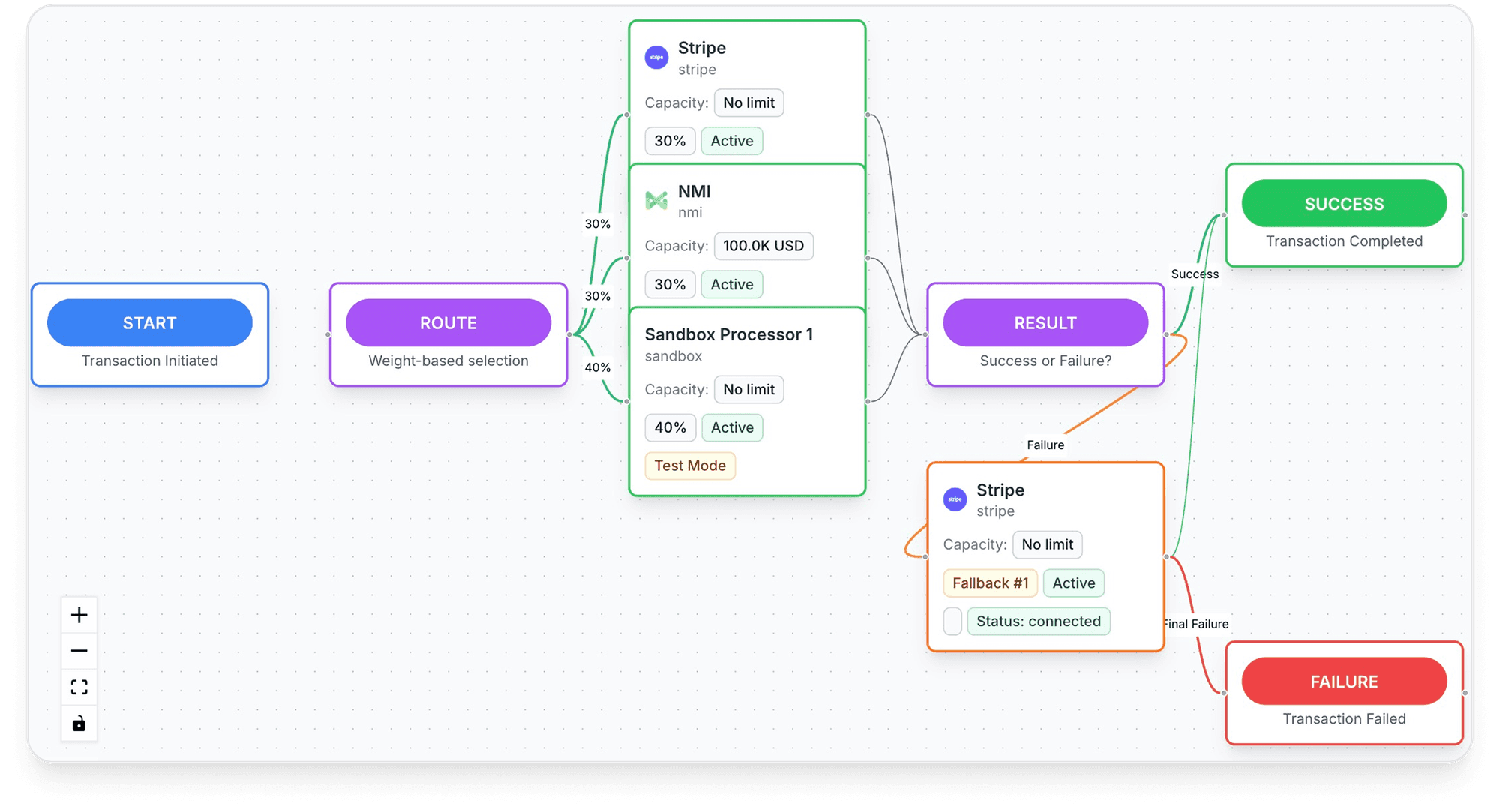
- Routing across TagadaPay and processors such as Stripe, NMI and Airwallex, with a cascade to another processor when one is down or times out
Building the whole telehealth brand? With Tagada Rx, "the card is only captured once a doctor approves"12Tagada, Tagada Rx, read November 2, 2026, refills rebill on ship day, and "declined, cancelled, and errored cases never rebill"11Tagada docs, Rx introduction and how it works, read November 2, 2026. US patients only, by selection.
Frequently asked questions
What is the chargeback threshold for telehealth companies in 2026?
Why do telehealth companies get chargebacks?
How do I calculate my chargeback ratio?
Should I fight every telehealth chargeback?
Do chargeback alerts count toward my ratio?
Sources
Checked November 2, 2026- Visa, Visa Acquirer Monitoring Program fact sheet, 2025
- Chargeback Gurus, Understanding the Mastercard Excessive Chargeback Program, October 21, 2025 (secondary source)
- Mastercard, Security Rules and Procedures, Merchant Edition, section 8.3, read October 14, 2026
- Chargeback.io, What are subscription chargebacks?, read October 26, 2026 (secondary source)
- Qualpay, Visa Compelling Evidence 3.0 and April 2023 changes, read October 26, 2026 (secondary source)
- Visa Core Rules and Visa Product and Service Rules, edition of April 18, 2026, table 5-21
- Mastercard, Subscription/recurring payments and negative option billing merchants: FAQs, 2022
- FTC, FTC and States Act Against Hims & Hers for Deceptive and Unlawful Privacy Practices, July 29, 2026 (allegations; case ongoing)
- Stripe, Prohibited and restricted businesses, read November 2, 2026
- Stripe Support, June 2025 pricing updates for disputes, read October 14, 2026
- Tagada docs, Rx introduction and how it works, read November 2, 2026
- Tagada, Tagada Rx, read November 2, 2026
- TagadaPay, tagadapay.io, read November 2, 2026
TagadaPay
Keep telehealth disputes under the line
Tell us what you sell and how you sell it. Each application is underwritten, and approval is not guaranteed.
- 01Tell us what you sell and how
- 02Underwriting reviews your business
- 03Process through TagadaPay alongside your other processors