
Fraud Prevention and 3D Secure for Telehealth Companies
The card fraud a telehealth brand sees, the 2026 network limits, how authorize-then-capture keeps fraud off your ratio, and where 3D Secure helps.

Article summary
TL;DR
Telehealth fraud is mostly card testing, stolen cards on first orders and patients disputing renewals they forgot. Authorize at checkout and capture only after the clinician approves: a suspicious authorization you reverse before capture isn't reported as fraud. Ask for 3D Secure on risky first orders, not everyone, and remember it never covers renewals.
- Stripe: if you "reverse a fraudulent or suspicious payment authorization before it's captured, it isn't reported" (read November 2, 2026).
- An online card authorization started by the customer stays valid 7 days on Visa and Mastercard, per Stripe.
- Visa's VAMP counts fraud reports plus disputes; the US "Excessive" level is 1.5% and 1,500 cases since April 1, 2026.
- Mastercard's EFM applies above 0.50% fraud chargebacks when 3D Secure covers 10% or less of payments.
- 3DS liability shift "isn't guaranteed", and off-session renewals don't support 3DS.
 ChatGPT
 Claude
 Perplexity
 Grok
On this page
This guide is part of our hub on telehealth payment processing. The general guide, for any business: fraud prevention and 3D Secure for high-risk merchants.
Fraud a telehealth brand sees
Card fraud in telehealth looks like ecommerce fraud with one twist: the order goes through a clinician before anything ships.
| Type | What it looks like | First defense |
|---|---|---|
| Card testing | Many small attempts on the cheapest offer, often a consultation fee | Velocity limits, bot protection, block rules |
| Stolen card on a first order | New patient, high first basket, mismatched card country and IP | 3D Secure, review before capture |
| Someone else's card | A relative or partner pays, then the cardholder disputes | Clear billing name, receipts to the payer |
| Friendly fraud on renewals | A real patient reports a renewal as "not authorized" | Visible terms, reminders, easy cancellation |
| Account takeover | Login to the patient portal from a new device, change of address | Code-based login, alerts on address changes |
Card testing has its own Visa monitoring: VAMP flags enumeration above 300,000 attempts and a 20% ratio, approved or declined1Stripe Docs, Dispute and fraud card monitoring programs, read November 2, 2026. Long before that, a burst of test charges can push your processor to act.
Fig. 1Where each kind of fraud shows up in a patient's journey
- CheckoutCard testing, stolen card: velocity limits, 3D Secure
- Clinician reviewVoid what doesn't pass, before capture
- Patient portalAccount takeover: code login, address alerts
- StatementSomeone else's card: clear billing name
- RenewalFriendly fraud: terms, reminders, cancellation
The clinician's review is a window most merchants don't have.
The fraud limits that apply
Three programs count fraud, each in its own way. Watch the lowest bar that applies to you.
1.5%
Visa VAMP, with at least 1,500 fraud reports and disputes
0.9%
Visa Secure Excessive Fraud (US), with $75,000 in fraud
0.50%
Mastercard EFM fraud chargeback ratio
300,000
Enumeration attempts before VAMP flags card testing
A fraud report counts even if you refund the order: issuers must report possible fraud on a captured payment, refunded or not1Stripe Docs, Dispute and fraud card monitoring programs, read November 2, 2026. Refunding doesn't clean the ratio. Stopping the next order does.
Tagada follows Visa and Mastercard rules and the laws that apply to payments.
Use the authorization window
The clinician's review gives you a window most merchants don't have. Authorize the card at checkout, capture only when the case is approved, and void the rest.
Fraud found before capture isn't reported
Stripe: issuers "aren't required to report it for a payment authorization"1Stripe Docs, Dispute and fraud card monitoring programs, read November 2, 2026.
The window is short
A customer-initiated online authorization lasts 7 days on Visa and Mastercard; an uncaptured one is released and canceled2Stripe Docs, Place a hold on a payment method, read November 2, 2026.
Patients see the hold
Some card statements don't separate an authorization from a charge, "which can sometimes confuse customers"2Stripe Docs, Place a hold on a payment method, read November 2, 2026. Say on the checkout page that the card is held, not charged.
Watch out
A card hold is a payment step, not a clinical decision. Your checkout copy must not suggest the patient is approved because the card went through.
How to build this flow, step by step: prescription-gated checkout.
What 3D Secure does, and doesn't
Watch out
If an issuer sends an inquiry on a 3DS-authenticated charge, answer it. An unanswered inquiry can become a chargeback that loses the liability shift3Stripe Docs, Authenticate with 3D Secure, section "Disputes and liability shift", read October 26, 2026.
Where to ask for 3D Secure
- First orders well above your average consultation or plan price.
- Card country, IP and state of residence that don't match.
- Several cards tried on one device or one email.
- A new card added to an existing patient account.
- Soft declines where the issuer asks for authentication.
- Not returning patients with a clean card history: a challenge costs you a refill.
Legitimate patients who still get declined: reducing payment declines for telehealth companies.
Patient identity is a different check
3D Secure proves the person holds the card. It doesn't prove who the patient is, or how old they are.
| Check | What it proves | Who asks for it |
|---|---|---|
| 3D Secure | The cardholder approved the payment | Issuer, your fraud rules |
| Photo ID before prescription | The patient is who they say | Your clinical protocol, per offer |
| Age 18 and over | Eligibility for some ads and offers | Meta, for prescription drug ads9Meta Transparency Center, Advertising standards, Drugs and pharmaceuticals, read November 2, 2026; your protocol |
| State of residence | The clinician is licensed where the patient is | Medical licensing rules |
Keep both checks. A stolen card with a real patient ID, or a real card with a fake ID, each slips past one of them. State rules and blocking at checkout: telehealth across state lines.
Renewals and friendly fraud
Renewals run off-session, without the patient, so 3DS can't help3Stripe Docs, Authenticate with 3D Secure, section "Disputes and liability shift", read October 26, 2026. The defense is the consent you capture at sign-up and what you send before each charge.
Fig. 2First order and renewal: two different protections
First order
- CheckoutPatient is on-session
- asks for3D SecureCardholder authenticatedApproved
Eligible fraud liability typically shifts
Renewal
- RenewalCharged off-session
- can't run3D SecureCan't run off-sessionDeclined
No 3DS: consent, reminders and cancellation decide
3DS guards the first order; your terms guard every renewal.
| Prevention | Rule or source |
|---|---|
| Trial or intro price: reminder at least 7 days before it ends | Visa5Visa Core Rules and Visa Product and Service Rules, edition of April 18, 2026, table 5-21 |
| Billing reminder 2 to 3 days before a monthly renewal, 7 days before a yearly one | Stripe best practice1Stripe Docs, Dispute and fraud card monitoring programs, read November 2, 2026 |
| A button to accept billing terms; online cancellation | Stripe best practice1Stripe Docs, Dispute and fraud card monitoring programs, read November 2, 2026 |
| Keep IP, device and order history for repeat patients | Supports Visa's Compelling Evidence 3.01Stripe Docs, Dispute and fraud card monitoring programs, read November 2, 2026 |
When fraud claims slip through anyway, alerts catch them first: chargeback alerts for telehealth. Renewals that fail for good reasons belong in recovery: failed payment recovery for telehealth companies.
How Tagada helps
Fraud checks before the charge
TagadaPay brings "native 3DS2, device intelligence, and rules engine: approve real customers, block the rest"10TagadaPay, homepage, read November 2, 2026, with "enhanced review for regulated verticals".
- Native 3DS2, device intelligence and a rules engine, plus block rules by IP, email, BIN, customer or payment8Tagada documentation, Block rules, read November 2, 2026.
- Your vault, portable: "Switch processors without re-onboarding customers".
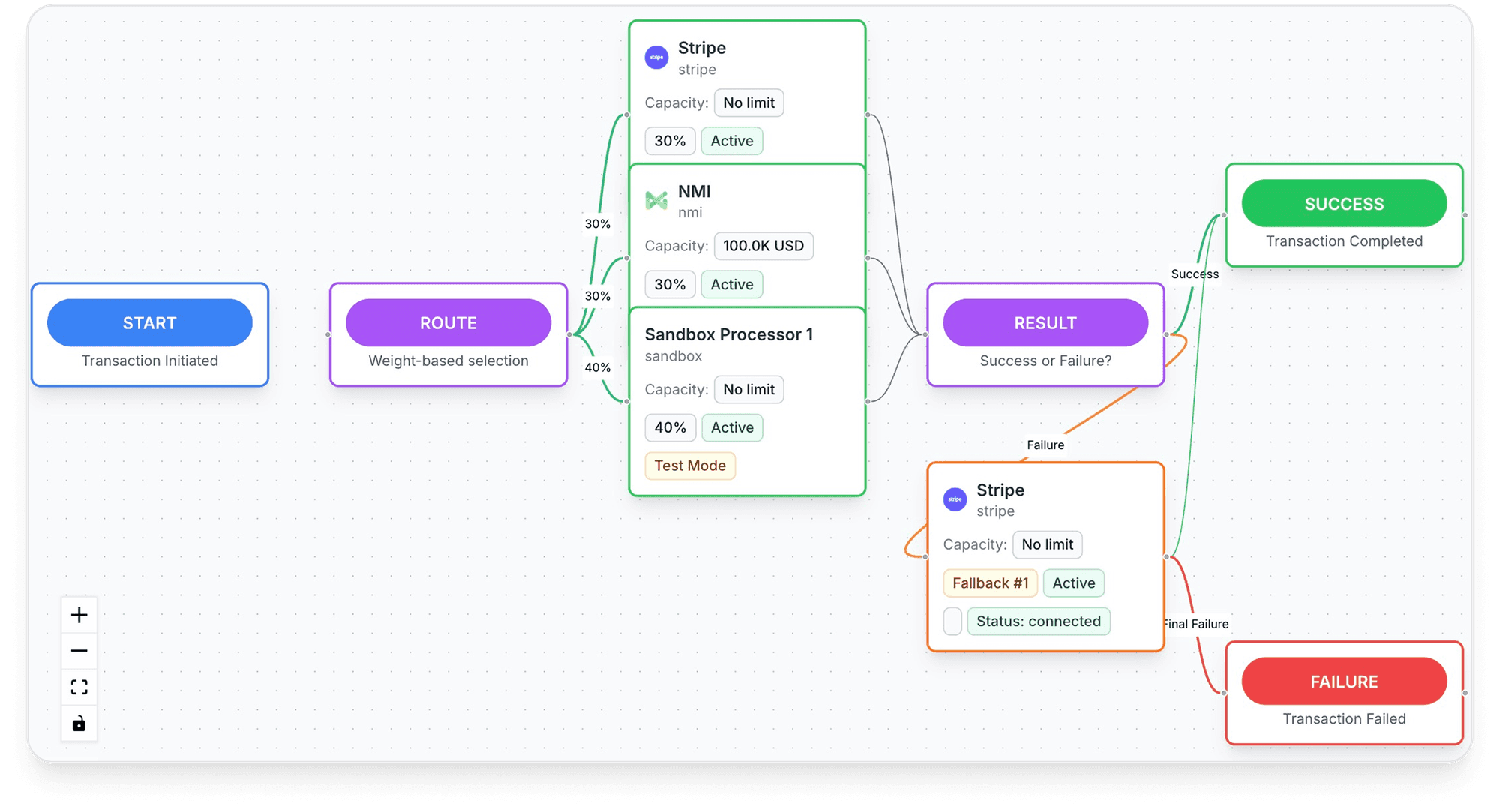
- Routing across TagadaPay and processors such as Stripe, NMI and Airwallex, with one logic, and a cascade to another processor when one is down or times out.
- 24/7 human support on Slack Connect.
Building the whole telehealth brand? With Tagada Rx, "Approve captures the hold. Decline voids it. Money never leaves the card if the clinician does not prescribe"6Tagada Rx documentation, Introduction, read November 2, 2026, and patients upload a photo ID from the portal when the offer requires it7Tagada Rx documentation, Patient portal, read November 2, 2026. US patients only, by selection.
Frequently asked questions
Does 3D Secure stop chargebacks for telehealth?
Should a telehealth brand use 3D Secure on every order?
Does a refund remove a fraud report?
How long can I hold a card before the clinician approves?
Is 3D Secure the same as verifying a patient's identity?
Sources
Checked November 2, 2026- Stripe Docs, Dispute and fraud card monitoring programs, read November 2, 2026
- Stripe Docs, Place a hold on a payment method, read November 2, 2026
- Stripe Docs, Authenticate with 3D Secure, section "Disputes and liability shift", read October 26, 2026
- Visa, Visa Acquirer Monitoring Program fact sheet, 2025
- Visa Core Rules and Visa Product and Service Rules, edition of April 18, 2026, table 5-21
- Tagada Rx documentation, Introduction, read November 2, 2026
- Tagada Rx documentation, Patient portal, read November 2, 2026
- Tagada documentation, Block rules, read November 2, 2026
- Meta Transparency Center, Advertising standards, Drugs and pharmaceuticals, read November 2, 2026
- TagadaPay, homepage, read November 2, 2026
TagadaPay
Stop fraud before capture, not after the dispute
Tell us what you sell and how you sell it. Each application is underwritten, and approval is not guaranteed.
- 01Tell us what you sell and how
- 02Underwriting reviews your business
- 03Process through TagadaPay alongside your other processors