
Fraud Prevention and 3D Secure for High-Risk Merchants
The 2026 fraud limits from Visa and Mastercard (VAMP, Visa Secure, EFM, MATCH 5), what counts toward them, and where 3D Secure keeps you below them.



Article summary
TL;DR
Card networks measure your fraud, not just your chargebacks. In 2026, Visa flags US merchants at 1.5% fraud reports plus disputes, removes the 3DS liability shift above 0.9% fraud on authenticated sales, and Mastercard fines merchants with 0.5% fraud chargebacks and little 3D Secure. Use 3DS on risky orders, not everywhere, to stay below.
- Visa's VAMP ratio adds fraud reports (TC40) to disputes; the merchant "Excessive" level is 1.5% and 1,500 cases in the US since April 1, 2026.
- Visa Secure Excessive Fraud (US) starts at $75,000 and 0.9% fraud on 3DS-authenticated sales; you lose the liability shift on domestic 3DS payments until you exit.
- Mastercard EFM applies from 1,000 ecommerce payments, over $50,000 and 0.50% fraud chargebacks, when 3DS covers 10% or less of payments (50% in regulated countries).
- MATCH code 5 lists a closed merchant whose fraud reaches 8% of sales, with 10 or more fraud transactions and $5,000 or more in a month.
- Under Visa's October 2026 rules, an issuer can dispute transactions flagged by a monitoring program for 120 days after the report.
 ChatGPT
 Claude
 Perplexity
 Grok
On this page
This page is about the limits and the decisions they force. For how 3DS works, see what 3D Secure is. For the types of fraud and how to spot them, see ecommerce fraud prevention.
The fraud limits that matter in 2026
Five programs decide what happens to a merchant with too much fraud. Each counts something different, so check all five.
Fig. 1The fraud ratio that triggers each program
the lowest bar is the one that bites first
The dispute side of the same programs, with Mastercard's ECM and HECM, is on chargebacks for merchants. Every program, its fines and exit rules: chargeback monitoring programs.
Watch out
Mastercard's rules are about to change. Checkout.com told its merchants that from April 1, 2027, a Global Merchant Audit Program (GMAP) replaces Mastercard's Acquirer Chargeback Monitoring Program, with stricter chargeback thresholds not yet published7Checkout.com, Mastercard Global Merchant Audit Program (GMAP), merchant communication, August 19, 2026.
What counts as fraud in your ratio
A fraud report counts even when no chargeback follows. Visa's TC40 reports, which Stripe shows as early fraud warnings, go into the VAMP count whatever their outcome2Stripe Docs, Dispute and fraud card monitoring programs, read November 2, 2026.
- Fraud reported, you refunded the orderYes, in VAMPRefunds don't remove a fraud report. Stop the next order instead
- Same payment reported as fraud and disputedYes, twice in VAMPOne bad order can weigh double
- Fraud report covered by Compelling Evidence 3.0NoKeep device, IP and order history for repeat customers
- Dispute resolved through a pre-dispute serviceNoAlerts such as RDR settle it before it counts
- Suspicious authorization cancelled before captureNot reportedReview risky orders before you capture
Sources for each line: Stripe Docs, monitoring programs2Stripe Docs, Dispute and fraud card monitoring programs, read November 2, 2026. Issuers must report fraud on a captured payment, even refunded, but not on an authorization you reverse first2Stripe Docs, Dispute and fraud card monitoring programs, read November 2, 2026. That's why manual review works best between authorization and capture. How CE 3.0 works: compelling evidence. Alerts: chargeback alerts.
What happens when you cross a fraud limit
The consequences pile up month after month, and some reach back to old sales.
- Your acquirer tells you and asks for a remediation plan with causes, controls and a timeline2Stripe Docs, Dispute and fraud card monitoring programs, read November 2, 2026.
- Issuers can charge back flagged sales. Visa's dispute condition 10.5 lets an issuer dispute a transaction identified by a Visa monitoring program for 120 days after the program report3Visa Core Rules and Visa Product and Service Rules, edition of October 24, 2026: section 5.8.4.3 and table 5-16 (from p. 447), section 11.8.6 (pp. 716 to 717), section 12.5.3.2. Adyen notes that merchants in Visa Secure Excessive Fraud qualify for it6Adyen Docs, Dispute and fraud monitoring, read November 2, 2026.
- Fines start in month 2 in Mastercard's EFM and climb every month you stay2Stripe Docs, Dispute and fraud card monitoring programs, read November 2, 2026.
- You lose the 3DS liability shift in Visa Secure Excessive Fraud, and Stripe says excessive fraud in a monitoring program can cost you the shift in general2Stripe Docs, Dispute and fraud card monitoring programs, read November 2, 20264Stripe Docs, Authenticate with 3D Secure, section "Disputes and liability shift", read October 26, 2026.
- The account can be closed, and a closure for excessive fraud can bring a MATCH or VMSS listing that stays 5 years5Stripe Docs, Terminated merchant files (MATCH and VMSS), read November 2, 2026. See the MATCH list.
Visa Core Rules, October 24, 2026, sections 11.8.6 and 12.5.3.2; Stripe Docs, read November 2, 2026; Adyen Docs, read November 2, 2026.
You leave a Mastercard program after 3 consecutive months below its thresholds2Stripe Docs, Dispute and fraud card monitoring programs, read November 2, 2026.
If Visa determines that an Acquirer, a Merchant, a Sponsored Merchant, or a Third Party Agent changed, modified, or altered the Merchant name, Merchant data, or Merchant performance in any way to circumvent the Visa Acquirer Monitoring Program (VAMP) [...], Visa may [...] [i]mpose a non-compliance assessment of USD 25,000 per Merchant or Sponsored Merchant, per month to the Acquirer.
Visa can also permanently disqualify the merchant and its principals3Visa Core Rules and Visa Product and Service Rules, edition of October 24, 2026: section 5.8.4.3 and table 5-16 (from p. 447), section 11.8.6 (pp. 716 to 717), section 12.5.3.2. Splitting volume or renaming the descriptor to dilute a ratio is not a fix. Lowering fraud is.
When to use 3D Secure
Ask for 3DS on the orders that carry the risk. Too little 3DS and Mastercard's EFM can catch you; fraud that gets through on authenticated payments, and Visa takes the shift away.
Fig. 2Where to ask for 3D Secure
Big first orders
A new customer, a basket well above your average.
Countries that don't match
Card country, IP and shipping address all different.
Several cards on one device
A sign of stolen cards being tried one after another.
Rush shipping to a new address
Fraudsters want the goods before the cardholder notices.
Soft declines asking for it
The issuer wants authentication: run 3DS, then retry.
Not your returning customers
A known card with clean history rarely needs a challenge.
authenticate the risk, let the rest through
In a few countries, the choice isn't yours. Visa requires acquirers to run Visa Secure on ecommerce sales in some markets3Visa Core Rules and Visa Product and Service Rules, edition of October 24, 2026: section 5.8.4.3 and table 5-16 (from p. 447), section 11.8.6 (pp. 716 to 717), section 12.5.3.2:
| Country | Visa Secure required for |
|---|---|
| India | Domestic ecommerce transactions3Visa Core Rules and Visa Product and Service Rules, edition of October 24, 2026: section 5.8.4.3 and table 5-16 (from p. 447), section 11.8.6 (pp. 716 to 717), section 12.5.3.2 |
| Malaysia | MCC 5977 (Cosmetic Stores), 5999, 4511 and 70113Visa Core Rules and Visa Product and Service Rules, edition of October 24, 2026: section 5.8.4.3 and table 5-16 (from p. 447), section 11.8.6 (pp. 716 to 717), section 12.5.3.2 |
| Indonesia | MCC 4511, 4722 and 59993Visa Core Rules and Visa Product and Service Rules, edition of October 24, 2026: section 5.8.4.3 and table 5-16 (from p. 447), section 11.8.6 (pp. 716 to 717), section 12.5.3.2 |
| Hong Kong, Macau | Ten MCCs, including 5999 and 58163Visa Core Rules and Visa Product and Service Rules, edition of October 24, 2026: section 5.8.4.3 and table 5-16 (from p. 447), section 11.8.6 (pp. 716 to 717), section 12.5.3.2 |
In Europe, strong customer authentication makes 3DS the default; exemptions remove the challenge and the liability shift with it. Details: strong customer authentication and payment authentication.
What 3D Secure doesn't cover
3DS protects the first payment against stolen cards. It does little for the rest of a high-risk business.
- Renewals. Off-session payments, such as subscription renewals, don't support 3DS4Stripe Docs, Authenticate with 3D Secure, section "Disputes and liability shift", read October 26, 2026. Consent at sign-up, reminders and easy cancellation do that job: see subscriptions.
- Friendly fraud and non-fraud disputes. "Not as described" or "I cancelled" disputes follow the normal process4Stripe Docs, Authenticate with 3D Secure, section "Disputes and liability shift", read October 26, 2026. See chargebacks.
- A guaranteed shift. Liability shift "can be expected for successfully authenticated payments that later receive eligible fraud disputes, but it isn't guaranteed"4Stripe Docs, Authenticate with 3D Secure, section "Disputes and liability shift", read October 26, 2026. Answer every inquiry on an authenticated payment: a no-reply can void it4Stripe Docs, Authenticate with 3D Secure, section "Disputes and liability shift", read October 26, 2026.
How the shift works, card by card: liability shift. Fraud blocks also cost good customers, which shows up as declines: declined payments.
By industry
| Industry | What changes | Guide |
|---|---|---|
| Supplements | Card testing on the cheapest product, stolen cards on big bundles, and renewals reported as fraud | Fraud and 3D Secure for supplement brands |
| Skincare | Card testing on minis, welcome-offer abuse, refills off-session; Malaysia requires 3DS on MCC 5977 | Fraud and 3D Secure for skincare brands |
| Online pharmacy | Cancel a suspicious order during prescription review, before capture, so it stays out of Visa's fraud count; 3DS on risky first orders only | Fraud and 3D Secure for online pharmacies |
| Telehealth | Card testing and stolen cards on first orders; capture after the clinician approves, and remember 3DS never covers renewals | Fraud and 3D Secure for telehealth companies |
| Fitness | Stolen cards buy racks and treadmills to resell, cheap accessories attract card testing; 3DS doesn't cover "not received" disputes | Fraud and 3D Secure for fitness brands |
| Info products | Card testing on low-price offers, stolen cards on high-ticket programs, and buyers who use the course then claim fraud | Fraud and 3D Secure for info product businesses |
How Tagada helps
3DS and fraud rules on the orders that need them
- Native 3DS2, device intelligence and a rules engine, so you can ask for authentication on risky orders only.
- Block rules on IP addresses, emails, BIN or card number patterns, customers or payment IDs, permanent or for 1 to 8,760 hours. Setup: Tagada block rules docs8Tagada Docs, Block rules, read November 2, 2026.
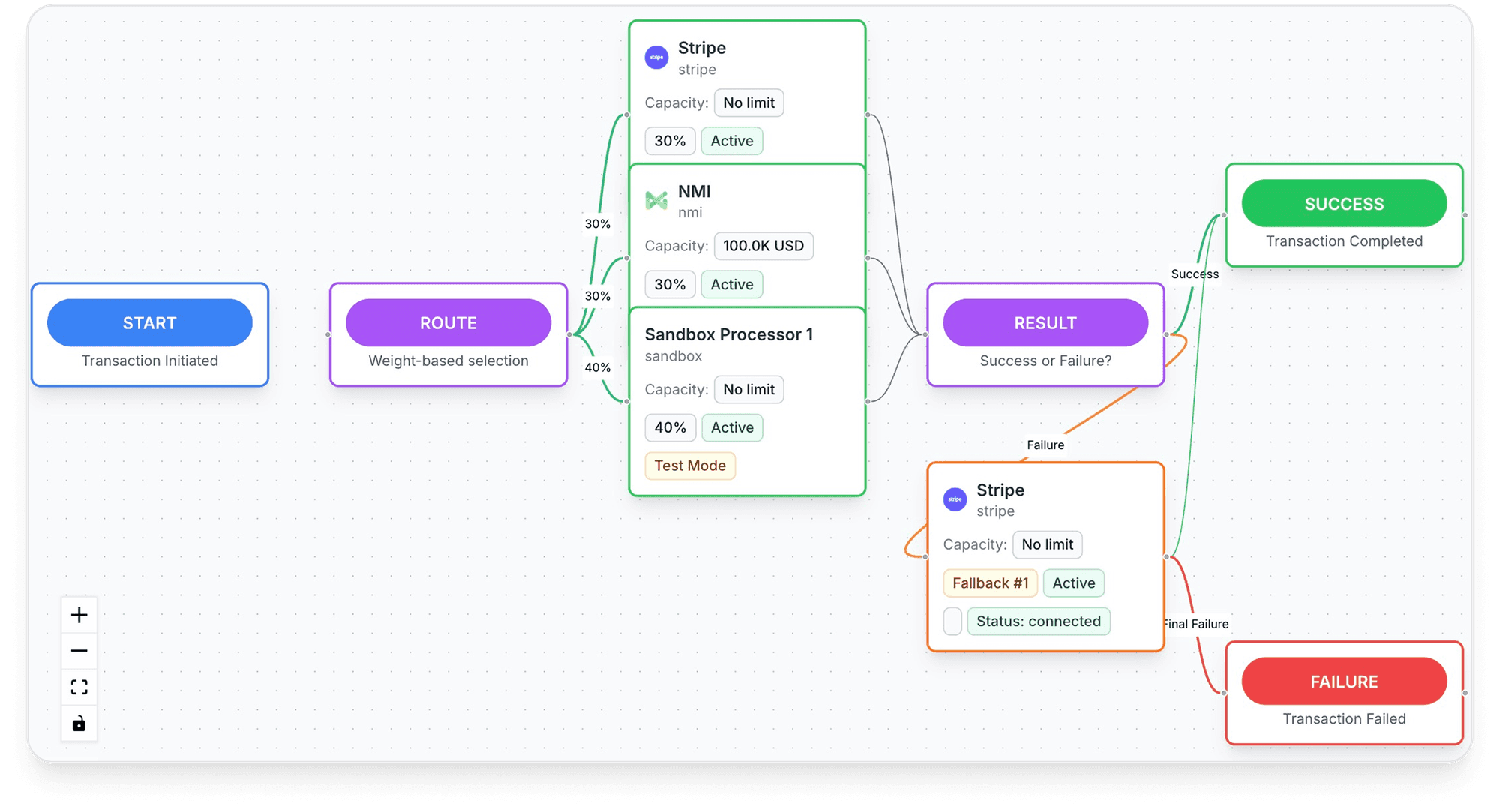
- Routing across TagadaPay and processors such as Stripe, NMI and Airwallex with one logic.
- TagadaPay underwrites every file and refuses businesses that try to get around chargeback rules.
- PCI DSS Level 1, SOC 2, ISO 27001 and GDPR on the TagadaPay side.
- From 2.9% + $0.29, no setup fees, no monthly minimums. High-risk verticals and edge cases are priced case by case.
- 24/7 human support on Slack Connect: "The person who reviews your application has a name, and so does the one who picks up when something breaks."
Tagada follows Visa and Mastercard rules and the laws that apply to payments.
Frequently asked questions
What is a fraud monitoring program?
Is the Visa Fraud Monitoring Program (VFMP) still active?
Do refunded fraud transactions still count?
Should I use 3D Secure on every transaction?
What fraud rate is too high for a merchant?
Sources
Checked November 2, 2026- Visa, Visa Acquirer Monitoring Program fact sheet, 2025
- Stripe Docs, Dispute and fraud card monitoring programs, read November 2, 2026
- Visa Core Rules and Visa Product and Service Rules, edition of October 24, 2026: section 5.8.4.3 and table 5-16 (from p. 447), section 11.8.6 (pp. 716 to 717), section 12.5.3.2
- Stripe Docs, Authenticate with 3D Secure, section "Disputes and liability shift", read October 26, 2026
- Stripe Docs, Terminated merchant files (MATCH and VMSS), read November 2, 2026
- Adyen Docs, Dispute and fraud monitoring, read November 2, 2026
- Checkout.com, Mastercard Global Merchant Audit Program (GMAP), merchant communication, August 19, 2026
- Tagada Docs, Block rules, read November 2, 2026
TagadaPay
Keep fraud far from the network limits
Tell us what you sell and how you sell it. Each application is underwritten, and approval is not guaranteed.
- 01Tell us what you sell and how
- 02Underwriting reviews your business
- 03Process through TagadaPay alongside your other processors