
Chargebacks for Merchants: How They Work, What They Cost, When They Become a Problem
How chargebacks work for merchants: what happens to your money, what each one costs, when to fight, and the 2026 Visa and Mastercard ratio limits.


Article summary
TL;DR
When a customer disputes a card payment, the processor takes the amount and a fee from your balance right away. You have 7 to 21 days to answer, and the issuer decides weeks later. Each dispute also counts toward your monthly ratio, won or lost. In 2026, Visa and Mastercard both flag merchants from 1.5%.
- Customers can generally dispute for up to 120 days, and you answer within 7 to 21 days, depending on the network.
- Stripe US charges $15 when a dispute arrives, not returned, and $15 more if you respond, returned if you win.
- Visa's merchant "Excessive" level is 1.5% and 1,500 disputes a month in the US since April 1, 2026; it was 2.2% before.
- Mastercard's Excessive Chargeback Merchant program starts at 100 chargebacks and 1.5%.
- A won dispute still counts in your ratio; one resolved through RDR or Ethoca before it becomes a chargeback doesn't.
 ChatGPT
 Claude
 Perplexity
 Grok
On this page
This guide follows a chargeback from your side of the counter: your money, your fees, your ratio. For the definition and the cardholder's side, see what a chargeback is.
What happens when a customer files a chargeback
The cardholder's bank starts it, not you. From then on, the amount is held and the clock runs on your side.
Fig. 1One chargeback, from the sale to the decision
- SaleDay 0
- Dispute filedUp to 120 days later
- You respondWithin 7 to 21 days
- Issuer decides60 to 75 days later
the money is gone from day one
- The issuer opens the dispute and sends it to your acquirer with a reason code1Stripe Docs, How disputes work, read October 14, 2026.
- Your processor debits the amount and its fee from your balance and notifies you1Stripe Docs, How disputes work, read October 14, 20264Stripe Support, June 2025 pricing updates for disputes, read October 14, 2026.
- You accept it or respond with evidence before the deadline2Stripe Docs, Respond to disputes, read October 14, 2026.
- The issuer decides. If you win, the amount comes back. If the cardholder's bank still disagrees, the case can go to pre-arbitration.
Stage by stage, with the deadlines per network: how long a chargeback takes.
What a chargeback costs you
More than the sale. You lose the amount while the dispute runs, and often for good, plus a fee, plus the goods already shipped.
Fig. 2Dispute fee per card chargeback, US
before you even decide to answer
Fee by fee, processor by processor: chargeback fees.
Accept or fight
Fight only the ones you can win. A response costs time, and on Stripe a second fee4Stripe Support, June 2025 pricing updates for disputes, read October 14, 2026. The reason code tells you what the cardholder claims and what evidence answers it7Visa Core Rules and Visa Product and Service Rules, edition of April 18, 2026.
Fig. 3Visa's four dispute categories
10 · Fraud
The cardholder says they didn't make the purchase. For 10.4, Compelling Evidence 3.0 lets you answer with earlier undisputed orders from the same customer.
11 · Authorization
The payment went through without a valid authorization. Hard to win if the authorization really failed.
12 · Processing errors
Duplicate charge, wrong amount or wrong currency. Often your mistake: refund and fix the process.
13 · Consumer disputes
Not received, not as described, cancelled subscription. Winnable with tracking, terms shown at checkout and your cancellation records.
the category tells you if a fight is worth it
Once a chargeback is open, you can't refund outside the dispute: you accept it or you respond1Stripe Docs, How disputes work, read October 14, 2026. Before that, a full refund closes the matter. More on the difference: chargeback vs refund. Codes one by one: chargeback reason codes.
Watch out
A won dispute still counts in your ratio. The networks measure how many disputes you get, not how many you win9Stripe Docs, Dispute and fraud card monitoring programs, read October 14, 2026.
When your chargeback ratio becomes a problem
Your ratio is disputes divided by transactions, each month. Visa and Mastercard both start monitoring merchants at 1.5% in 2026, but they count differently8Visa, Visa Acquirer Monitoring Program fact sheet, 202510Mastercard, Security Rules and Procedures, Merchant Edition, section 8.3, read October 14, 2026.
| Program | Counts | Merchant threshold, 2026 |
|---|---|---|
| Visa VAMP | Fraud reports plus disputes, over card-absent sales of the same month8Visa, Visa Acquirer Monitoring Program fact sheet, 2025 | 1.5% and 1,500 cases (US, Canada, Europe, Asia Pacific, Latin America)8Visa, Visa Acquirer Monitoring Program fact sheet, 2025 |
| Mastercard ECM | Chargebacks this month, over last month's transactions10Mastercard, Security Rules and Procedures, Merchant Edition, section 8.3, read October 14, 2026 | 100 to 299 chargebacks and 1.5% to 2.99%9Stripe Docs, Dispute and fraud card monitoring programs, read October 14, 2026 |
| Mastercard HECM | Same | 300 chargebacks or more and 3%9Stripe Docs, Dispute and fraud card monitoring programs, read October 14, 2026 |
Fig. 4Where 1.2% sits
1.2%Monthly dispute ratio
under the line, not out of sight
Disputes you settle through Verifi RDR or Ethoca, before they become chargebacks, don't count in your dispute rate at Stripe11Stripe Docs, How dispute prevention works, read October 27, 2026, and Visa leaves pre-dispute resolutions out of its VAMP ratio8Visa, Visa Acquirer Monitoring Program fact sheet, 2025. The formulas, with a worked example: chargeback rate.
Is there an average chargeback rate?
Not an official one. Neither Visa nor Mastercard publishes an average ecommerce chargeback rate. The averages you see online come from dispute-management vendors, with their own client base and method.
Aim for the thresholds instead. They decide what your acquirer does, and your processor often acts earlier: Stripe sizes reserves on your dispute rate, among other signals13Stripe Support, Reserves FAQ, read October 27, 2026.
What happens if you go over
It escalates month by month. Each step is harder to reverse than the one before.
- Your acquirer warns you and asks for a plan to bring the ratio down9Stripe Docs, Dispute and fraud card monitoring programs, read October 14, 2026.
- Fines start in month two on Mastercard's program: $1,000 a month at first, up to $100,000 a month from month 199Stripe Docs, Dispute and fraud card monitoring programs, read October 14, 2026.
- Your processor protects itself: a reserve, slower payouts or a review. See rolling reserves.
- The account can be closed. See merchant account closed.
- A closure for excessive chargebacks can mean a MATCH listing (code 4: Mastercard chargebacks above 1% of sales and $5,000 or more), kept 5 years12Stripe Docs, Terminated merchant files (MATCH and VMSS), read October 27, 2026. See the MATCH list.
Mastercard fines and exit rule from Stripe Docs, read October 14, 2026. Visa sets its own exit rules in its program guide.
You leave Mastercard's program after 3 consecutive months below the threshold9Stripe Docs, Dispute and fraud card monitoring programs, read October 14, 2026. Every program, its fines and its exit rules: chargeback monitoring programs.
How to bring chargebacks down
Start from your own reason codes, then fix the cause they point to.
- Many 13.x "not recognized" or "cancelled"Customers forget the purchase or the renewalClear descriptor, reminders before renewals, easy online cancellation
- Many 10.x fraud claimsStolen cards, or friendly fraud3DS on risky payments, Compelling Evidence 3.0 for repeat customers
- Disputes you would refund anywayThey reach the network before you hear of themAlerts: RDR and Ethoca, so the dispute never counts
Eighteen ways, ordered by reason code: how to prevent chargebacks. Alerts in detail: chargeback alerts.
By industry
| Industry | What changes | Guide |
|---|---|---|
| Supplements | Forgotten subscriptions, unclear trials and "it didn't work" claims drive most disputes | Chargebacks for supplement brands |
| Skincare | Forgotten refills, results that didn't match the ad and skin reactions handled badly | Chargebacks for skincare brands |
| Online pharmacy | Visa makes the acquirer check pharmacy disputes daily; card holds read as charges, orders refused after review and refills billed before shipping drive them | Chargebacks for online pharmacies |
| Telehealth | Charges patients didn't expect: before the clinician's review, after a cancellation, or under a descriptor they don't recognize | Chargebacks for telehealth companies |
| Fitness | Heavy equipment that arrives late, damaged or not as pictured, and sports nutrition subscriptions customers forget | Chargebacks for fitness brands |
| Info products | The income promise, long programs the buyer stopped using, and forgotten memberships or payment plans; logged access is the evidence | Chargebacks for info product businesses |
How Tagada helps
Fewer disputes, and more than one processor
- Native 3DS2, device intelligence and a rules engine to stop fraud before it turns into a dispute.
- Subscriptions with trials, billing cycles, retries and automatic recovery.
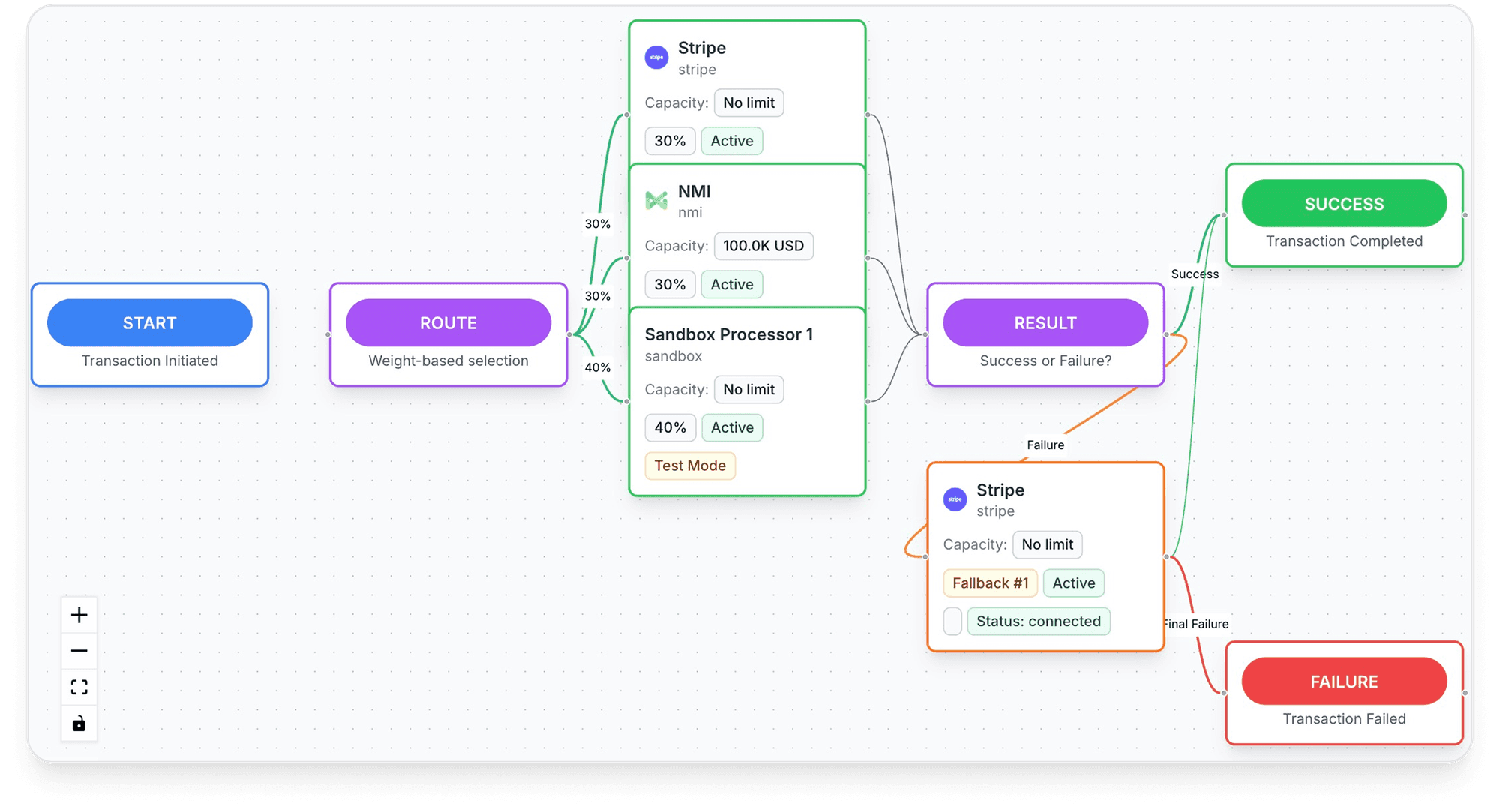
- Routing across TagadaPay and processors such as Stripe, NMI and Airwallex with one logic, so a review on one account doesn't stop every sale.
- TagadaPay underwrites every file and refuses businesses that try to get around chargeback rules.
- Approval routing: each payment goes to the processor most likely to approve it, with a retry on decline and no engineering required. TagadaPay reports a +18% approval uplift.
- From 2.9% + $0.29, no setup fees, no monthly minimums. High-risk verticals and edge cases are priced case by case.
- 24/7 human support on Slack Connect: "The person who reviews your application has a name, and so does the one who picks up when something breaks."
Tagada follows Visa and Mastercard rules and the laws that apply to payments.
Frequently asked questions
How does a chargeback work for a merchant?
Who pays for a chargeback?
Do I get my money back if I win a chargeback?
What is an acceptable chargeback ratio?
What happens if a merchant has too many chargebacks?
Should I fight every chargeback?
Sources
Checked November 2, 2026- Stripe Docs, How disputes work, read October 14, 2026
- Stripe Docs, Respond to disputes, read October 14, 2026
- Shopify Help Center, Overview of the chargeback and inquiry process, read October 14, 2026
- Stripe Support, June 2025 pricing updates for disputes, read October 14, 2026
- PayPal, Merchant and business fees (US), read October 14, 2026
- PayPal Braintree, Fees (US), read October 14, 2026
- Visa Core Rules and Visa Product and Service Rules, edition of April 18, 2026
- Visa, Visa Acquirer Monitoring Program fact sheet, 2025
- Stripe Docs, Dispute and fraud card monitoring programs, read October 14, 2026
- Mastercard, Security Rules and Procedures, Merchant Edition, section 8.3, read October 14, 2026
- Stripe Docs, How dispute prevention works, read October 27, 2026
- Stripe Docs, Terminated merchant files (MATCH and VMSS), read October 27, 2026
- Stripe Support, Reserves FAQ, read October 27, 2026
TagadaPay
Keep disputes low and payments moving
Tell us what you sell and how you sell it. Each application is underwritten, and approval is not guaranteed.
- 01Tell us what you sell and how
- 02Underwriting reviews your business
- 03Process through TagadaPay alongside your other processors