
Is It Legal to Sell Telehealth Services Online?
Selling telehealth online is legal in the US if you follow six sets of rules: licensing, ownership, prescribing, health data, billing and ads.

Article summary
Legal, with rulesTL;DR
Yes. In the US, a telehealth brand can sell consultations, prescriptions and treatment plans online, as long as clinicians are licensed where each patient is, the business structure lets them practice, prescriptions follow federal and state rules, health data is protected, and subscriptions are billed and cancelled the way consumer law requires. Processors check each of these before approving you.
- The Interstate Medical Licensure Compact covers 44 states, the District of Columbia and Guam; it speeds up state licenses, it isn't a national license.
- Controlled substances sold online need a valid prescription; the default is "at least 1 in-person medical evaluation".
- As of November 2, 2026, the DEA's temporary telemedicine flexibilities run through December 31, 2026.
- Health apps not covered by HIPAA can fall under the FTC's Health Breach Notification Rule, in effect since July 29, 2024.
- In 2024 the FTC's proposed order against Cerebral totaled more than $7 million, partly over cancellation practices.
 ChatGPT
 Claude
 Perplexity
 Grok
On this page
This guide is part of our hub on telehealth payment processing. The general guide, for any business: how to get and keep a high-risk merchant account.
This page is general information about US rules as of November 2, 2026, not legal advice. Work with a healthcare attorney before launch.
The six rules a telehealth brand must follow
Fig. 1Six rules, one line each
Licensing
Clinicians licensed in the patient's state2American Medical Association, Issue brief: Telehealth licensure, updated May 8, 2023.
Ownership
In many states, only licensed professionals can practice medicine or employ the doctors.
Prescribing
Federal rules for controlled substances, state rules for the rest321 U.S.C. § 829(e).
Health data
HIPAA for covered entities, FTC rule for others542 U.S.C. § 1320d-8 (HIPAA section 1179)6FTC, Health Breach Notification Rule, 89 FR 47028, published May 30, 2024, effective July 29, 2024.
Billing
Clear terms, express consent, simple cancellation7Restore Online Shoppers' Confidence Act, 15 U.S.C. § 8403.
Advertising
LegitScript and platform authorization for Google and Meta11Google Ads policy, Prescription drug services, read November 2, 202612Meta Transparency Center, Drugs and pharmaceuticals, read November 2, 2026.
Processors check each of these before approving you.
Licensing follows the patient
The medical act takes place where the patient is: states require "licensure in the state where the patient is located", as the AMA summarizes2American Medical Association, Issue brief: Telehealth licensure, updated May 8, 2023. In practice, a clinician licensed in one state generally needs a license, or a state exception, to treat a patient located in another.
- The compact helps, not replaces: the IMLC "offers a voluntary, expedited pathway to licensure for physicians who qualify" across 44 states, the District of Columbia and Guam1Interstate Medical Licensure Compact Commission, A faster pathway to physician licensure, read November 3, 2026.
- Some states issue telemedicine-specific licenses or registrations (AMA summary)2American Medical Association, Issue brief: Telehealth licensure, updated May 8, 2023.
- At checkout, this means knowing the patient's state and serving only the states your clinicians cover.
State by state: can you offer telehealth across state lines?
Ownership: who can employ the clinicians
In states that apply the corporate practice of medicine doctrine, a company owned by non-physicians can't practice medicine or employ doctors to do so. Founders commonly use a physician-owned medical group plus a management services organization (MSO) they own. The doctrine varies widely by state.
How the structure works and which licenses each party needs: who can own a telehealth company.
Prescribing and controlled substances
Federal law sets one hard line. "No controlled substance that is a prescription drug [...] may be delivered, distributed, or dispensed by means of the Internet without a valid prescription", meaning one issued by a practitioner who "has conducted at least 1 in-person medical evaluation of the patient"321 U.S.C. § 829(e).
Watch out
The DEA and HHS have extended temporary COVID-era flexibilities that allow remote prescribing of controlled substances without a prior in-person visit, under conditions. As of November 2, 2026, the fourth extension runs "January 1, 2026 through December 31, 2026"4DEA and HHS, Fourth Temporary Extension of COVID-19 Telemedicine Flexibilities, 90 FR 61301, December 31, 2025. No permanent rule has been published yet. Don't build a checkout that depends on a rule with an end date.
Fig. 2Remote prescribing of controlled substances: the line and its exception
- Federal lineAt least 1 in-person medical evaluation
- January 1, 2026Fourth extension of the flexibilities starts
- November 2, 2026No permanent rule published
- December 31, 2026Fourth extension ends
The exception has an end date; the federal line doesn't.
Prescriptions for medicines that aren't controlled substances follow each state's rules on establishing a patient relationship. That is a question for your clinicians and counsel.
Health data
Two federal regimes can apply, and a third risk sits in your marketing stack.
| Regime | Who it covers | What it requires |
|---|---|---|
| HIPAA | Covered entities and their business associates | Privacy and security of health information. Payment processing for a financial institution is exempt "with respect to such activities"542 U.S.C. § 1320d-8 (HIPAA section 1179) |
| FTC Health Breach Notification Rule | "Vendors of personal health records (PHRs) and related entities that are not covered by" HIPAA | Notify individuals, the FTC and sometimes the media after a breach6FTC, Health Breach Notification Rule, 89 FR 47028, published May 30, 2024, effective July 29, 2024 |
| FTC Act (pixels, tracking) | Any business | The FTC has acted against telehealth brands over health data shared with ad platforms9FTC, press release on Hims & Hers, July 29, 2026 (allegations; case pending)10FTC, press release on Cerebral, April 15, 2024 |
Fig. 3Which data rule applies to your brand
- HIPAACovered entities and their business associates
- FTC Health Breach Notification RuleHealth records not covered by HIPAA
- FTC ActAny business: pixels and tracking
The third risk sits in your marketing stack, not in your processor.
The FTC's 2024 proposed order said Cerebral shared data of nearly 3.2 million consumers with third parties through tracking tools10FTC, press release on Cerebral, April 15, 2024. Payment side: do you need a HIPAA BAA with your payment processor?
Billing and cancellation
Most telehealth brands sell memberships or treatment plans. Federal law applies to every online subscription.
- Before billing details: "clearly and conspicuously discloses all material terms"7Restore Online Shoppers' Confidence Act, 15 U.S.C. § 8403
- Before charging: "express informed consent"7Restore Online Shoppers' Confidence Act, 15 U.S.C. § 8403
- To stop: "simple mechanisms for the consumer to stop recurring charges"7Restore Online Shoppers' Confidence Act, 15 U.S.C. § 8403
- California adds online cancellation for online sign-ups, reminders before longer trials convert and notice before price changes8California Business and Professions Code § 17602
Example
On July 29, 2026, the FTC, Utah and California sued Hims & Hers. The FTC alleges the company enrolled consumers in recurring plans "shortly after receiving consumers' intake forms", that most consumers didn't get a consultation with a provider, and that cancellation was hidden. These are allegations in a pending case9FTC, press release on Hims & Hers, July 29, 2026 (allegations; case pending).
Rules in detail: how to sell telehealth services on subscription.
What your processor will ask you to prove
Legality is the first thing underwriters check. Stripe says telemedicine applicants "typically need to provide items such as license numbers and information on your processes"13Stripe Support, Prohibited and restricted businesses list FAQs, read November 2, 2026, and restricted approvals "may be modified or revoked by Stripe at any time"14Stripe, Prohibited and restricted businesses, read November 2, 2026.
| Rule | What to have ready |
|---|---|
| Licensing | License numbers and states for each prescriber |
| Ownership | Entity documents, management agreement if you use an MSO |
| Prescribing | Your clinical flow: intake, review, when a prescription is issued or refused |
| Health data | Where intake data lives; proof nothing clinical goes to the processor |
| Billing | Checkout screens with price, frequency and cancellation |
| Ads | LegitScript certificate if you run Google or Meta ads |
Next step: how to get a telehealth merchant account approved. The launch sequence end to end: how to start a telehealth company. If you'd rather not assemble clinicians, pharmacy and payments yourself, look at a telehealth stack with storefront, doctors, pharmacy and payments.
How Tagada helps
Payments reviewed as a regulated vertical
TagadaPay applies "Enhanced review for regulated verticals"16TagadaPay, homepage, read November 2, 2026 and brings "Native 3DS2, device intelligence, and rules engine: approve real customers, block the rest."
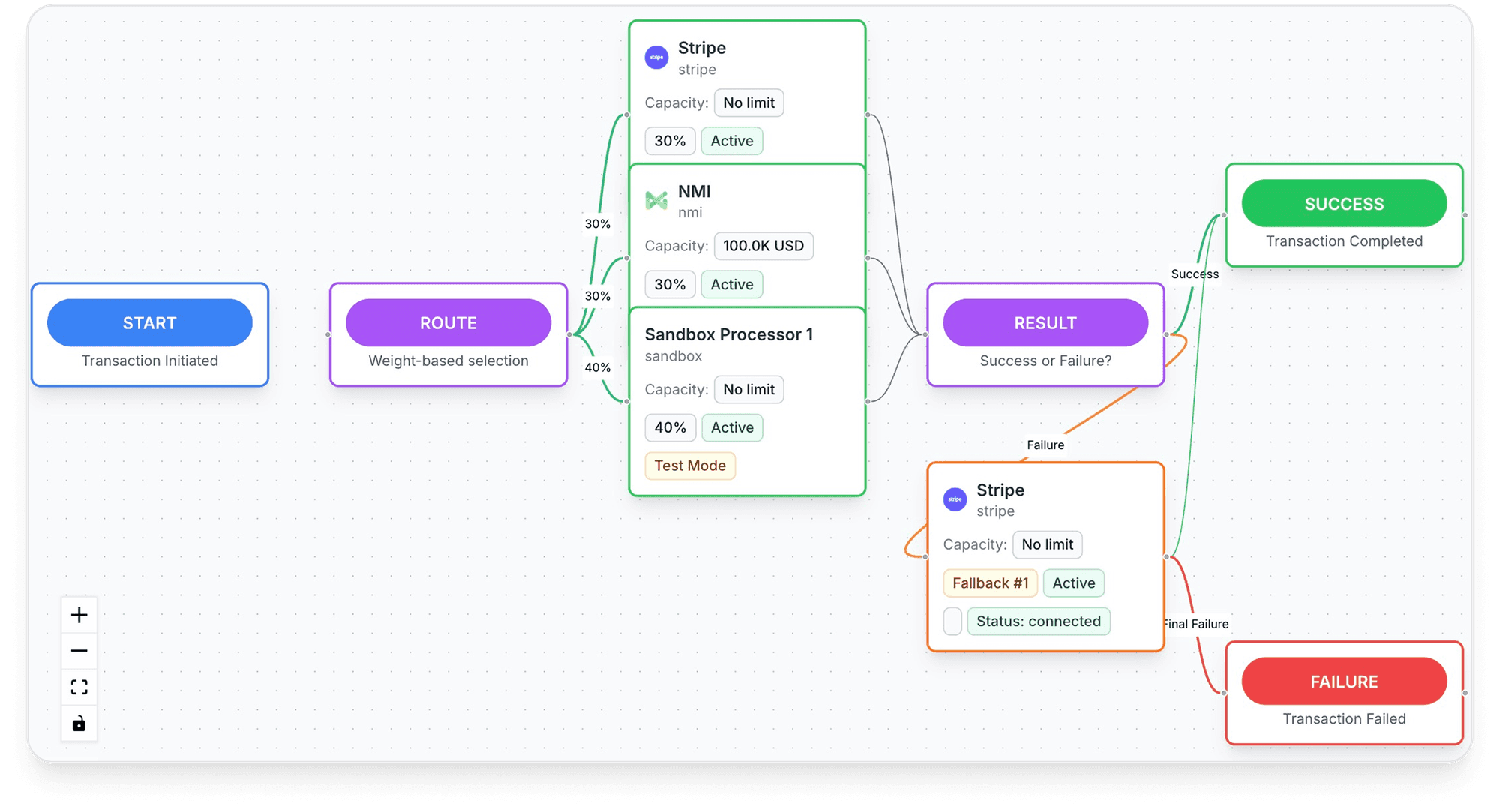
- Routing across TagadaPay and processors such as Stripe, NMI and Airwallex, with a cascade to another processor when one is down or times out
- Your vault, portable: "Switch processors without re-onboarding customers"
- Support: "24/7 human support on Slack Connect"
Your counsel still owns your brand's legal review.
Building a telehealth brand from scratch? Tagada Rx runs storefront, doctors, pharmacy and payments in one stack: "Independent clinicians review every case before any charge", a licensed US pharmacy ships direct to the patient, and stores run on tgdcare.com, which is LegitScript certified15Tagada Rx, read November 2, 2026. US patients only, by selection.
Frequently asked questions
Is telehealth legal in all 50 states?
Do I need a license to start a telehealth company?
Can telehealth providers prescribe medication online?
Can a non-doctor own a telehealth company?
What gets telehealth companies in legal trouble?
Sources
Checked November 2, 2026- Interstate Medical Licensure Compact Commission, A faster pathway to physician licensure, read November 3, 2026
- American Medical Association, Issue brief: Telehealth licensure, updated May 8, 2023
- 21 U.S.C. § 829(e)
- DEA and HHS, Fourth Temporary Extension of COVID-19 Telemedicine Flexibilities, 90 FR 61301, December 31, 2025
- 42 U.S.C. § 1320d-8 (HIPAA section 1179)
- FTC, Health Breach Notification Rule, 89 FR 47028, published May 30, 2024, effective July 29, 2024
- Restore Online Shoppers' Confidence Act, 15 U.S.C. § 8403
- California Business and Professions Code § 17602
- FTC, press release on Hims & Hers, July 29, 2026 (allegations; case pending)
- FTC, press release on Cerebral, April 15, 2024
- Google Ads policy, Prescription drug services, read November 2, 2026
- Meta Transparency Center, Drugs and pharmaceuticals, read November 2, 2026
- Stripe Support, Prohibited and restricted businesses list FAQs, read November 2, 2026
- Stripe, Prohibited and restricted businesses, read November 2, 2026
- Tagada Rx, read November 2, 2026
- TagadaPay, homepage, read November 2, 2026
TagadaPay
Legal on paper, approved by your processor
Tell us what you sell and how you sell it. Each application is underwritten, and approval is not guaranteed.
- 01Tell us what you sell and how
- 02Underwriting reviews your business
- 03Process through TagadaPay alongside your other processors