
Fitness Product Processing Fees and Reserves
What a fitness brand pays to take cards: published rates, why high-ticket equipment and pre-orders raise reserves, dispute costs, what to ask first.

Article summary
TL;DR
A fitness brand on Stripe or Shopify Payments pays standard rates, with no reserve at sign-up. On an underwritten high-risk account, brokers publish rates around 3.49% to 3.95% and rolling reserves of 5% to 10% held 90 to 180 days. High-ticket equipment, pre-orders and auto-ship nutrition push terms up. Get every term in writing.
- PaymentCloud publishes high-risk rates averaging "3.49% to 3.95% per transaction" and reserves of "5% to 10%" held "90 to 180 days" (July 2026).
- Chargebacks911 lists a "high average ticket amount" among the traits that bring a reserve.
- A Visa "not received" dispute can come up to 120 days after the last expected delivery date (October 24, 2026 rules): long lead times extend your exposure.
- Stripe says a reserve "may be required indefinitely" in rare cases.
- On Shopify, a third-party processor adds 2% (Basic) down to 0.2% (Plus) per order.
 ChatGPT
 Claude
 Perplexity
 Grok
On this page
This guide is part of our hub on fitness product payment processing. The general guide, for any business: high-risk processing fees.
What a fitness brand pays
Your total cost has six parts. Only the first two are on the processor's price sheet.
| Cost | What it is | Who sets it |
|---|---|---|
| Processing rate | A percentage plus a fixed fee per transaction | Your processor |
| Rolling reserve | A share of each sale held for a period, then released | Your processor |
| Dispute fees | A fee per chargeback, plus per alert if you use alerts | Processor, alert providers |
| Network programs | Fees when you exceed Visa or Mastercard thresholds | Visa, Mastercard8Chargeback Gurus, Visa Acquirer Monitoring Program (VAMP), read November 3, 2026 (secondary source) |
| Trial registration | Annual fee if you sell trials that roll into billing | Mastercard9Mastercard Security Rules and Procedures, Merchant Edition, February 11, 2025 |
| Platform fees | Shopify's fee when you don't use Shopify Payments | Shopify10Shopify pricing, third-party payment provider fees, read October 9, 2026 |
Fig. 1Six parts of your total cost, and who sets each
- Processing rateYour processor
- Rolling reserveYour processor
- Dispute feesProcessor, alert providers
 Network programsVisa, Mastercard
 Trial registrationMastercard
 Platform feesShopify
Only the first two are on the processor's price sheet.
Why equipment and nutrition are priced differently
The processor prices how much money it could lose if you disappear. For equipment, that is the value of goods not yet delivered. For nutrition, it is the subscription base and the claims.
| What you sell | What raises the price | Why |
|---|---|---|
| Racks, treadmills, rowers | High ticket, freight, long lead times | Each "not received" dispute is large; Visa's window runs up to 120 days after the last expected delivery date7Visa Core Rules and Visa Product and Service Rules, edition of October 24, 2026, condition 13.1 |
| Pre-orders and backorders | Charging before you can ship | The processor carries the refund if you never ship |
| Accessories | Little, unless volume spikes | Low ticket, short delivery |
| Sports nutrition on auto-ship | Subscriptions, trials, health claims | Stripe prohibits unsafe products, "harmful claims" and unclear trials11Stripe, Prohibited and restricted businesses, read November 2, 2026 |
Example
You take $300,000 of pre-orders for a home rower shipping in 10 weeks. Until delivery, every order can turn into a "not received" claim. Expect an underwriter to ask for a higher reserve or to delay payouts until you ship.
What processors publish
Few processors publish fitness pricing. These are their own figures, not Tagada's.
| Term | Published figure | Published by |
|---|---|---|
| High-risk rate | "average 3.49% to 3.95% per transaction", "~$0.25" per transaction | PaymentCloud, July 20261PaymentCloud, High-risk merchant account fees, updated July 18, 2026 |
| Monthly fee | "$10 to $50" | PaymentCloud1PaymentCloud, High-risk merchant account fees, updated July 18, 2026 |
| Rolling reserve | "5% to 10% of processing volume (higher-risk accounts may see 15%+)", held "90 to 180 days" | PaymentCloud1PaymentCloud, High-risk merchant account fees, updated July 18, 2026 |
| Reserve review | "after 6 to 12 months of stable, low-dispute processing" | PaymentCloud1PaymentCloud, High-risk merchant account fees, updated July 18, 2026 |
| Supplement reserve, minimum | 10% rolling reserve held 180 days, which "could be higher" | Payments AI, February 202612Payments AI, Approval restrictions for nutraceuticals and supplements, February 19, 2026 |
| Supplement rate floor | "As low as a blended 2.95%" | Corepay3Corepay, Weight Loss Supplement Payment Processing, read November 3, 2026 |
3.49% to 3.95%
Average high-risk rate published by PaymentCloud
5% to 10%
Rolling reserve PaymentCloud publishes, held 90 to 180 days
10% · 180 days
Minimum supplement reserve reported by Payments AI
2.95%
Corepay's "as low as" blended rate, a floor, not a quote
"As low as" is a floor for the best files, not a quote.
How a rolling reserve ties up cash
A rolling reserve keeps a share of each day's sales and releases it after a set period. The cash it holds grows with your sales.
| Monthly sales | Reserve | Period | Cash held at steady state |
|---|---|---|---|
| $50,000 | 5% | 90 days | About $7,500 |
| $100,000 | 10% | 90 days | About $30,000 |
| $100,000 | 10% | 180 days | About $60,000 |
Simple arithmetic on the reserve terms; real releases follow your contract's schedule.
Fig. 2The middle row, coming back month by month
Held at steady state
$30,000
- $10,000Held until month 4Paid back month 4
- $10,000Held until month 5Paid back month 5
- $10,000Held until month 6Paid back month 6
Each month's 10% returns 90 days later.
Equipment brands feel this most in January and around Black Friday, when sales spike and the reserve grows with them. Plan cash for it: payout timing for fitness brands.
Reserves at Stripe and PayPal
Neither sets a reserve at sign-up. Both can add one later.
| Provider | How reserves work |
|---|---|
| Stripe | Fixed or rolling; "a temporary hold on a portion of a business's funds for a predetermined period of time"; "in some rare cases" indefinite (Stripe)4Stripe Support, Reserves: frequently asked questions, read October 26, 2026 |
| PayPal | Rolling, minimum and jumpstart reserves; example: "10% and held for a 90-day rolling period"; funds can be held "for up to 180 days" (PayPal)5PayPal, The why and what of account reserves, November 17, 20256PayPal User Agreement, updated September 14, 2026 |
PayPal also warns that "you might never be able to fully remove a reserve from your account"5PayPal, The why and what of account reserves, November 17, 2025. Stripe's rules for fitness products: does Stripe allow fitness products?
Dispute, network and platform costs
| Cost | Amount |
|---|---|
| Chargeback fee, high-risk account | "around $20 per dispute" and up (PaymentCloud)1PaymentCloud, High-risk merchant account fees, updated July 18, 2026 |
| Visa VAMP, "Excessive" level | $8 per fraud report or dispute, as reported (Chargeback Gurus)8Chargeback Gurus, Visa Acquirer Monitoring Program (VAMP), read November 3, 2026 (secondary source) |
| Mastercard negative option registration | $500 a year in the February 2025 rules (Mastercard)9Mastercard Security Rules and Procedures, Merchant Edition, February 11, 2025 |
| Shopify, third-party processor | 2% Basic, 1% Grow, 0.6% Advanced, 0.2% Plus (Shopify)10Shopify pricing, third-party payment provider fees, read October 9, 2026 |
Fig. 3Shopify's fee on orders paid through a third-party processor
The smaller the plan, the more you pay to leave Shopify Payments.
Tagada follows Visa and Mastercard rules and the laws that apply to payments.
Delivery disputes are the main lever on an equipment brand's reserve: chargebacks for fitness brands.
What to ask before you sign
- [ ] Rate: percentage and fixed fee, for cards, wallets and international cards.
- [ ] Reserve: percentage, period, cap, and when it's reviewed.
- [ ] Pre-orders: whether you may charge before shipping, and on what terms.
- [ ] Payouts: delay after capture, and frequency.
- [ ] Disputes: fee per chargeback and per alert.
- [ ] Limits: monthly volume cap, maximum ticket size, approved products.
- [ ] Leaving: notice period, and how long the balance and reserve are held after.
Steps and documents: how to get a fitness product merchant account approved.
How Tagada helps
A published starting price, and more than one place to process
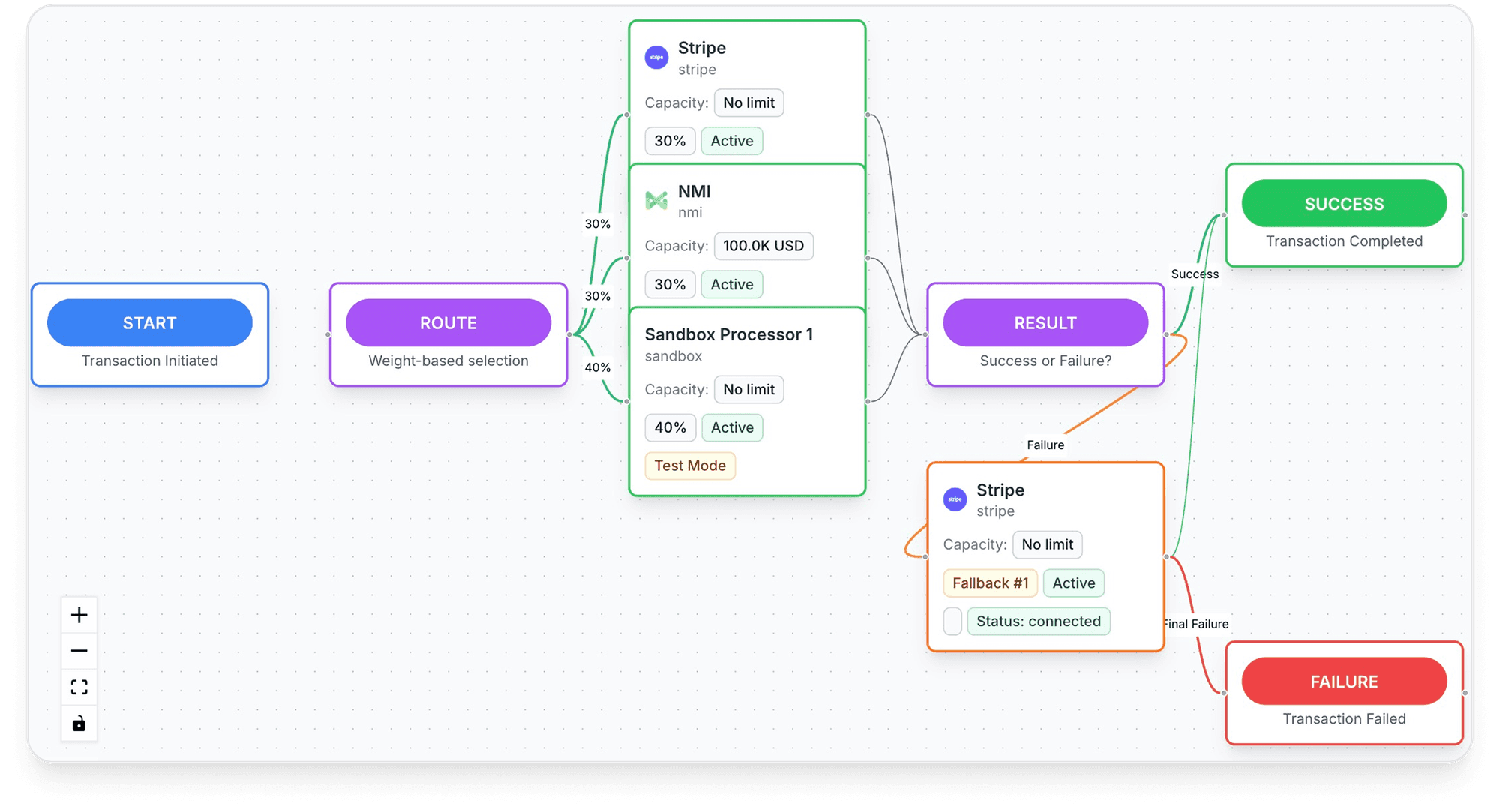
TagadaPay publishes its starting price and says how it handles the rest: "From 2.9% + $0.29", "No setup fees, no monthly minimums", and "High-risk verticals and edge cases are priced case by case."
- More approvals per sale: "Every transaction is scored against your live MID network in real time." TagadaPay reports a "+18% approval uplift" from routing.
- Routing: "Route to the processor most likely to approve it, retry on decline. No engineering required."
- Payouts: "Daily payouts, 135+ currencies."
- No lock-in: "Export your vault, cards, and customers anytime."
Ask for your terms when you apply on TagadaPay. Store-side setup: payment routing for fitness brands.
Frequently asked questions
How much does a fitness merchant account cost?
Why did my processor put a reserve on my fitness store?
When is a rolling reserve released?
Can I take pre-orders for fitness equipment?
Is sports nutrition charged more than equipment?
Sources
Checked November 2, 2026- PaymentCloud, High-risk merchant account fees, updated July 18, 2026
- Chargebacks911, Merchant account reserve, December 28, 2023
- Corepay, Weight Loss Supplement Payment Processing, read November 3, 2026
- Stripe Support, Reserves: frequently asked questions, read October 26, 2026
- PayPal, The why and what of account reserves, November 17, 2025
- PayPal User Agreement, updated September 14, 2026
- Visa Core Rules and Visa Product and Service Rules, edition of October 24, 2026, condition 13.1
- Chargeback Gurus, Visa Acquirer Monitoring Program (VAMP), read November 3, 2026 (secondary source)
- Mastercard Security Rules and Procedures, Merchant Edition, February 11, 2025
- Shopify pricing, third-party payment provider fees, read October 9, 2026
- Stripe, Prohibited and restricted businesses, read November 2, 2026
- Payments AI, Approval restrictions for nutraceuticals and supplements, February 19, 2026
TagadaPay
Know every fee and reserve before the treadmill ships
Tell us what you sell and how you sell it. Each application is underwritten, and approval is not guaranteed.
- 01Tell us what you sell and how
- 02Underwriting reviews your business
- 03Process through TagadaPay alongside your other processors